

Famous Temples in Tamil Nadu: Routes & Visitor Guide
Choose a practical Tamil Nadu temple circuit, compare major shrines and plan darshan, transport, dress, visitor access and comfortable regional routes…
In this guide
- Famous Tamil Nadu temples at a glance
- 1. Meenakshi Amman Temple, Madurai
- 2. Brihadeeswarar Temple, Thanjavur
- 3. Ramanathaswamy Temple, Rameswaram
- 4. Chidambaram Nataraja Temple
- 5. Sri Ranganathaswamy Temple, Srirangam
- 6. Arunachaleswarar Temple, Tiruvannamalai
- 7. Subramania Swamy Temple, Tiruchendur
- 8. Kumarakottam Murugan Temple, Kanchipuram
- 9. Rockfort Temple, Tiruchirappalli
- 10. Srivilliputhur Andal Temple
- 11. Dhandayuthapani Temple, Palani
- 12. Jambukeswarar Temple, Thiruvanaikaval
- 13. Ayyanar shrines around Madurai: choose a specific site
- 14. Nellaiappar Temple, Tirunelveli
- 15. Kanchi Kailasanathar Temple, Kanchipuram
- Practical Tamil Nadu temple routes
- Timings, dress, access and travelling comfortably
- Tamil Nadu temple travel FAQs
For a first temple trip in Tamil Nadu, choose one regional circuit: Kanchipuram for a Chennai-based outing; Trichy and Thanjavur for major temple architecture; Madurai and Rameswaram for a southern pilgrimage; or Tirunelveli and Tiruchendur for a south-coast route. Meenakshi Amman, Brihadeeswarar, Ramanathaswamy and Srirangam are among the best-known starting points. Visiting every temple on a single short trip means spending much of the holiday on the road.
Tamil Nadu’s temples are living places of worship as well as remarkable architectural sites. A useful itinerary leaves time for darshan, queues, footwear storage, meals and the journey between towns. It also recognises that an outer courtyard, a monument visit and admission to an inner shrine may follow different rules.
This guide explains what each temple offers, groups visits by region and helps you plan a comfortable route. Visitor-planning information reviewed in October 2026. Use the Tamil Nadu HR&CE temple directory and individual temple notices for current schedules, services and restrictions. Ritual timings and festival arrangements are temple-specific.
Famous Tamil Nadu temples at a glance
| Temple | Town or base | Main association | Planning note |
|---|---|---|---|
| Meenakshi Amman | Madurai | Meenakshi and Sundareswarar | Allow time for security and shrine queues |
| Brihadeeswarar | Thanjavur | Shiva; Chola architecture | Combine with a Thanjavur heritage day |
| Ramanathaswamy | Rameswaram | Shiva; pilgrimage traditions | Plan darshan and any ritual bathing separately |
| Nataraja | Chidambaram | Shiva as the cosmic dancer | Check worship and visitor windows |
| Ranganathaswamy | Srirangam, Trichy | Vishnu in reclining form | A large complex; avoid rushing |
| Arunachaleswarar | Tiruvannamalai | Shiva; sacred Arunachala hill | Girivalam needs a separate walking plan |
| Subramania Swamy | Tiruchendur | Murugan; seaside shrine | Festival crowds can alter the pace |
| Kumarakottam | Kanchipuram | Murugan | Combine with other Kanchipuram temples |
| Rockfort | Trichy | Ucchi Pillaiyar and Thayumanaswamy shrines | Substantial stair climbing |
| Andal Temple | Srivilliputhur | Andal and Vaishnavite devotion | Allow a dedicated town visit |
| Dhandayuthapani | Palani | Murugan; hill shrine | Check hill access and transport operation |
| Jambukeswarar | Thiruvanaikaval, Trichy | Shiva; water-element tradition | Fits a Trichy temple circuit |
| Nellaiappar | Tirunelveli | Shiva and Gandhimathi Amman | Pair with a southern stay |
| Kailasanathar | Kanchipuram | Shiva; Pallava architecture | A different architectural experience from large later complexes |
The list is a selection, not a ranking of religious importance. If pilgrimage is your main purpose, organise the route around the temples and rituals that matter to you. If architecture is the priority, choose contrasting styles and leave time to observe details. Both approaches work better with a few substantial visits than with repeated brief stops.
1. Meenakshi Amman Temple, Madurai
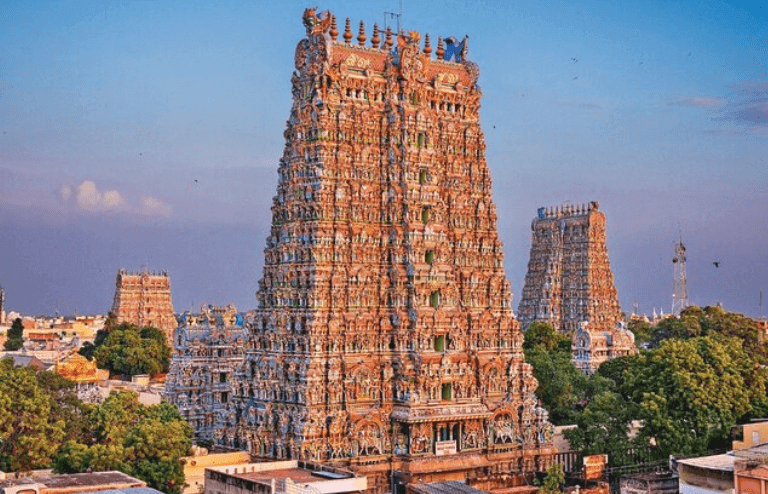
Meenakshi Amman Temple is the natural centre of a Madurai temple visit. It is associated with Goddess Meenakshi and Lord Sundareswarar, a form of Shiva. Its towers and sculptural detail make it especially memorable, while the daily worship gives the complex a purpose beyond sightseeing. The Madurai district tourism information provides official destination context.
Allow a morning or evening block rather than a short transfer stop. Check baggage, phone and photography rules before approaching the entrance, and identify which areas your group may enter. Combine the visit with a relaxed exploration of Madurai’s old-city streets. Travelling onward immediately after darshan leaves little flexibility if security checks or queues take longer than expected.
2. Brihadeeswarar Temple, Thanjavur
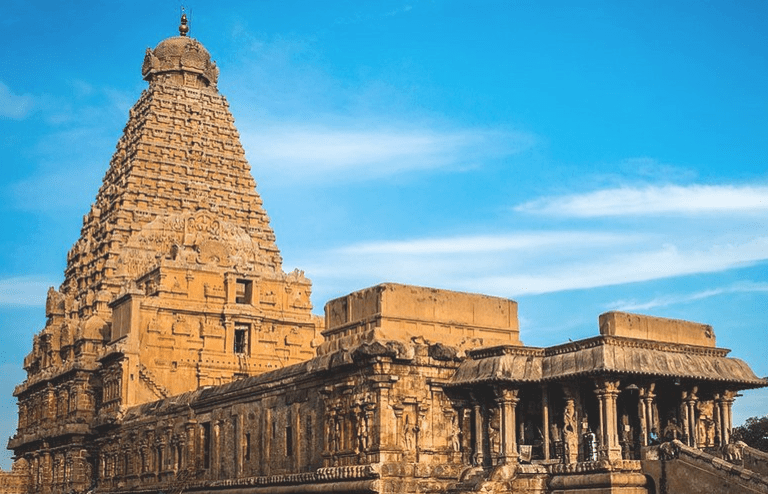
Brihadeeswarar, also written Brihadisvara, is a major Chola-era Shiva temple in Thanjavur. It is part of the UNESCO Great Living Chola Temples World Heritage property, together with the temples at Gangaikondacholapuram and Darasuram. Its towering vimana and the scale of the stone architecture reward an unhurried visit.
Thanjavur deserves a dedicated heritage day rather than a hurried stop between distant temple towns. Plan around heat, worship and your preferred walking pace. An architectural guide can help distinguish the main shrine tower from gateway towers and explain the site’s historical layers. Compare a Thanjavur sightseeing day tour from Trichy if you need a transport-based plan.
3. Ramanathaswamy Temple, Rameswaram
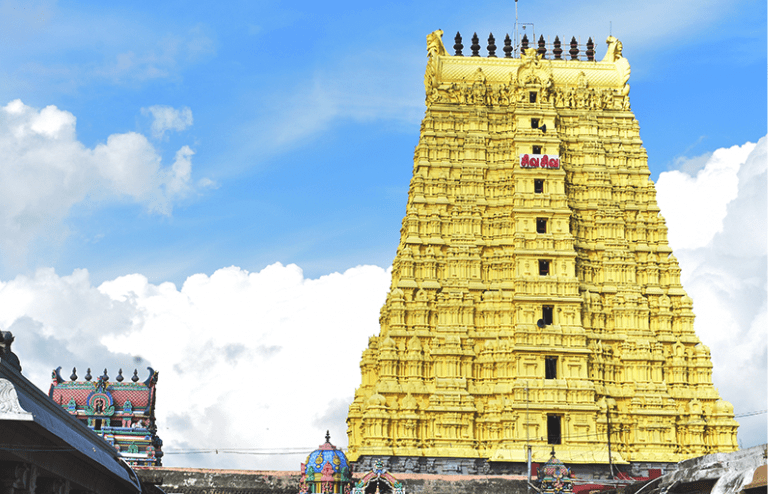
Ramanathaswamy Temple is a major Shiva pilgrimage destination in Rameswaram, known for its corridors and sacred-water traditions. Its association with Rama belongs to religious tradition and should be understood as such, rather than presented as a precisely dated construction record. The Ramanathapuram district temple profile offers official background.
Decide beforehand whether you want darshan, ritual bathing or an architectural visit. These need different amounts of time and preparation. If undertaking bathing, confirm the authorised process, clothing and changing arrangements locally. Use an overnight in Rameswaram for a calmer visit. A Rameswaram local sightseeing tour can help with town transport, but temple rituals and services should be confirmed separately.
4. Chidambaram Nataraja Temple
Chidambaram’s Thillai Nataraja Temple is associated with Shiva as the cosmic dancer and the space element in the Pancha Bhoota tradition. The worship, halls and temple-town setting make it a distinct experience from the Chola monument circuit. Use the Chidambaram municipality visitor information for background, then confirm the temple’s current schedule.
Treat Chidambaram as a deliberate stop on an east-coast or delta route. Check the morning and evening access windows; arrival during a midday break may leave you waiting. If adding Pichavaram or another nearby outing, allocate its transport time separately. Do not compress a substantial temple visit and a long onward transfer into the same short morning.
5. Sri Ranganathaswamy Temple, Srirangam
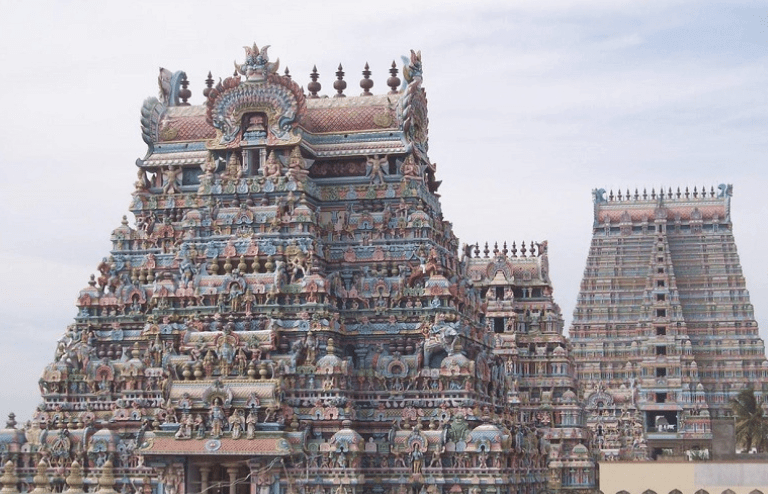
Srirangam near Trichy is a major Vaishnavite temple dedicated to Ranganatha, Vishnu in reclining form. The complex includes multiple enclosures, towers and living streets around the sacred centre. Its scale is a reason to allow more time, not simply to seek a “largest temple” photograph. The official Srirangam temple website is the appropriate source for current visitor services.
Begin with a clear entrance and meeting point. Darshan queues, permitted access and special services may differ from general circulation through the outer areas. Combine Srirangam with Jambukeswarar on a Trichy-based day if your group has the energy, leaving a break between them. Add Rockfort only when the separate stair climb is realistic.
6. Arunachaleswarar Temple, Tiruvannamalai
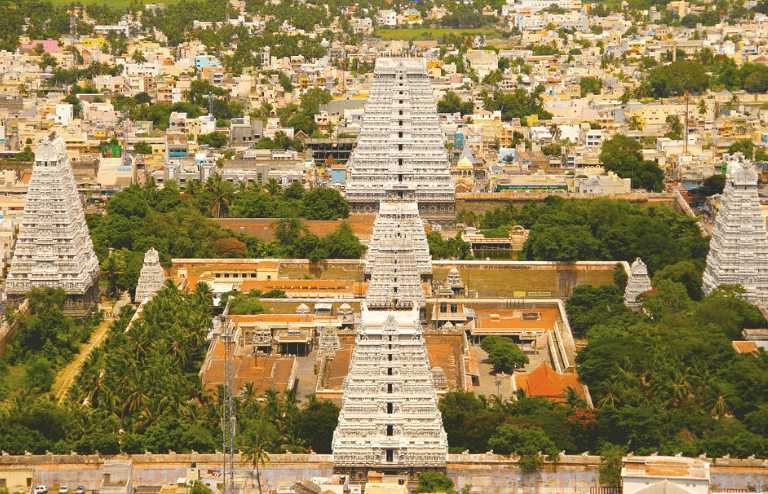
Arunachaleswarar Temple is associated with Shiva and the fire element, with Arunachala hill central to the town’s sacred geography. Tiruvannamalai’s Karthigai Deepam celebrations and girivalam tradition attract many pilgrims. Check the district’s temple information for destination context and current temple notices for operating arrangements.
A temple visit and a walk around the hill are separate commitments. If you intend girivalam, plan distance, heat, footwear practice, rest and return transport around your own abilities. Full-moon and festival periods can bring substantial crowds. Staying overnight is more sensible than treating the town as a brief addition to an already full Chennai–Kanchipuram day.
7. Subramania Swamy Temple, Tiruchendur
Tiruchendur’s Murugan temple offers a coastal setting that distinguishes it from the hill shrines often associated with Murugan worship. It suits a dedicated southern pilgrimage or a route based around Tirunelveli and the Thoothukudi coast. Confirm schedules and visitor rules on the official Tiruchendur temple website.
Festival periods can alter entry, crowd levels and the time needed for darshan. Organise transport and accommodation early if travelling for a particular celebration. Being beside the sea does not make the shoreline automatically safe for swimming. Follow local warnings and treat any beach time as a separate activity from the temple visit.
8. Kumarakottam Murugan Temple, Kanchipuram
Kumarakottam is a Murugan temple in Kanchipuram and can be included in a compact temple-town itinerary. It offers a different devotional focus from the town’s Shiva and Vishnu temples. Choose the stops according to your interests rather than attempting every famous shrine in one afternoon.
A Chennai-based outing can work when you select two or three main temples and check their visitor windows. Allow time between shrines for local transfers, footwear and queues. If the day also includes Mahabalipuram, reduce the Kanchipuram list accordingly; two destinations do not provide two full sightseeing days within one day.
9. Rockfort Temple, Tiruchirappalli
Trichy’s Rockfort is a hilltop landmark with the Ucchi Pillaiyar shrine and the Thayumanaswamy temple within the wider complex. The Trichy district visitor page describes access by a substantial flight of steps. The climb and views make it a physically different experience from a level-ground temple visit.
Plan for stairs, warm exposed surfaces and your group’s stamina. Early or later in the day may be more comfortable than the hottest hours, subject to temple access. Travellers who cannot manage the climb should choose a different stop rather than assume a vehicle reaches the summit. Avoid scheduling it after an exhausting day of multiple long darshan queues.
10. Srivilliputhur Andal Temple
Srivilliputhur’s temple is associated with Andal and Vaishnavite devotional heritage. It is a rewarding choice for pilgrims with a specific interest in Andal, temple architecture or Tamil sacred literature. The Incredible India temple profile provides an official introduction.
Make it a planned town visit with time for darshan and local context. It may be incorporated into a wider Madurai–southern Tamil Nadu journey, but only after allowing the actual road transfer. Check festival dates and accommodation if travelling for a major occasion, and avoid treating the shrine as a guaranteed quick stop en route to a distant coastal destination.
11. Dhandayuthapani Temple, Palani
Palani’s Dhandayuthapani temple is a major Murugan hill shrine. Its setting and pilgrimage character make it a distinct visit rather than another interchangeable city temple. Choose Palani because it is a priority for your group, and allow time for the ascent, worship and return.
Ask the temple administration about current hill-access options, operating times, queues and any interruptions to assisted transport. Availability should not be assumed for a particular date. Travellers with limited mobility need a confirmed access plan before setting off. Carry only permitted belongings and leave flexibility around festival periods, when the visit can take substantially longer.
12. Jambukeswarar Temple, Thiruvanaikaval
Jambukeswarar at Thiruvanaikaval near Trichy is associated with Shiva and the water element in the Pancha Bhoota tradition. It provides a natural complement to Srirangam’s Vaishnavite focus within a Trichy temple circuit. Its halls and sacred associations deserve attention rather than a rushed second stop.
Confirm the current darshan and ritual windows, particularly if a specific ceremony is the reason for visiting. Keep time for a meal and a rest between temples. Close geographical proximity does not mean that shrine access or queue length will be identical, so avoid buying onward travel around an unrealistically short combined visit.
13. Ayyanar shrines around Madurai: choose a specific site
Ayyanar worship is associated with Tamil village guardian traditions, and “Ayyanar Temple, Madurai” does not identify one unique shrine. The exact temple and village must be confirmed before making a route. This is a category of cultural interest, not an additional named landmark that can be reliably located from a generic list.
Ask a knowledgeable local guide to identify a suitable site, its access and community expectations. Respect worship, offerings and any restrictions on photography. Do not treat terracotta figures or village ceremonies as props for photographs. Include a specific shrine only when the location and visitor arrangements are established, rather than adding an uncertain map stop to a tight city itinerary.
14. Nellaiappar Temple, Tirunelveli
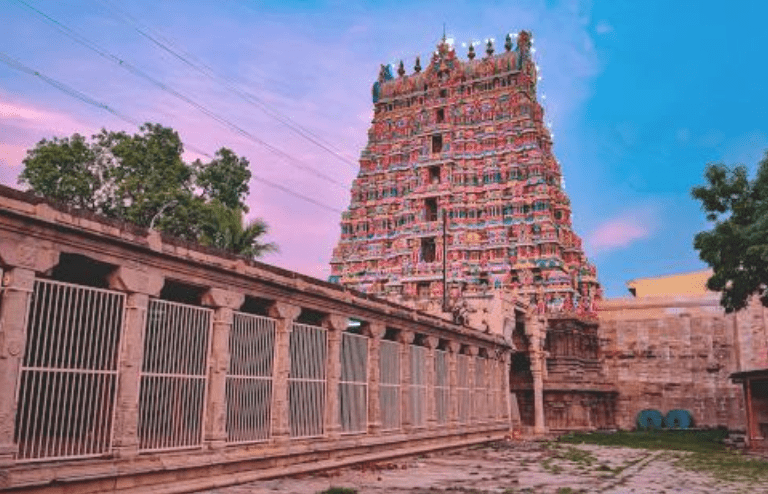
Nellaiappar and Gandhimathi Amman Temple is a major sacred complex in Tirunelveli. Its halls and architectural detail offer a substantial stop on a southern route. The Tirunelveli district temple profile describes its musical pillars and sacred associations.
Observe carved and historic features respectfully; do not strike pillars or touch delicate surfaces to test a claim. Combine the visit with a Tirunelveli stay and use a separate comfortable time block for Tiruchendur. The route is easier when worship, lunch and road travel each have space in the schedule.
15. Kanchi Kailasanathar Temple, Kanchipuram
Kailasanathar is a Pallava-era Shiva temple and one of Kanchipuram’s most distinctive architectural visits. Its stone construction and sculptural programme offer a useful contrast with larger, later temple complexes. The Kanchipuram district tourism guide is a reliable starting point for the town’s heritage context.
Pair it with Kumarakottam and one additional Kanchipuram temple according to your interests and available visitor windows. Allow time to observe the sculptures in permitted areas and check photography rules locally. A Kanchipuram sightseeing day tour from Chennai can help organise the transfer and selected stops; confirm the itinerary before booking.
Practical Tamil Nadu temple routes
One or two days: Kanchipuram from Chennai
For one day, choose a small Kanchipuram circuit with Kailasanathar, Kumarakottam and one other priority temple. With two days, use an overnight to explore more slowly or add Mahabalipuram as a separate heritage day. Tiruvannamalai needs additional road time and is better treated as a deliberate extension with its own overnight.
Three days: Trichy and Thanjavur
Use the first day for Srirangam and Jambukeswarar, the second for a Thanjavur heritage visit, and the third for a slower Trichy morning or an appropriately planned Chola-temple extension. Rockfort belongs in the schedule only when the climb suits your group. Darasuram and Gangaikondacholapuram are separate journeys, not temples inside the Thanjavur complex.
Three or four days: Madurai and Rameswaram
Allow one or two days in Madurai, then travel to Rameswaram for an overnight and the temple visit. A longer stay helps if ritual bathing, additional town sightseeing or an elderly group affects the pace. Avoid a late arrival, an early darshan and an immediate long return transfer if comfort is a priority.
Two or more days: Tirunelveli and Tiruchendur
Base the southern circuit around a Nellaiappar visit and a dedicated Tiruchendur outing. Add transfer time when including Srivilliputhur or other inland shrines. Palani is a separate hill-pilgrimage choice and should not be presented as a nearby coastal stop. For a state-wide circuit, allow considerably more days or choose fewer regions.
Timings, dress, access and travelling comfortably
There is no single opening timetable for every Tamil Nadu temple. Many have separate worship and visitor windows, while festivals can change the schedule. Confirm the exact temple, date and service you need. Transport bookings should allow for a delayed queue; a special ticket does not mean unlimited access or a guaranteed short wait.
Dress modestly and check temple-specific requirements before departure. Use designated footwear storage and carry a small permitted bag. Phone, camera and baggage policies vary, as do restrictions on inner-shrine entry. Visitors of different religious backgrounds should ask about the areas they may access rather than assume one rule applies to all temples.
Budget for transport, accommodation, meals, authorised services and any applicable tickets. Pay through official channels where available and request clear receipts. A sightseeing operator can arrange a vehicle or guide, but ritual services should be confirmed with the temple. Do not assume meals, special darshan or donations are included in a tour unless the product explicitly says so.
For children and older travellers, choose fewer major visits each day and build in seated breaks. Hot stone surfaces, standing queues, steps and crowded passages can be demanding. Ask about accessible entrances and assisted transport directly. Carry water where permitted, arrange lunch between visits and choose accommodation that reduces early-morning road travel.
Festival visits can be deeply meaningful, but need a different plan from an ordinary architecture outing. Confirm dates, book accommodation early and expect substantial crowds. Weather, heat and coastal rain can also affect comfort and transfers. Keep a flexible afternoon rather than fixing every hour of a multi-town day.
Tamil Nadu temple travel FAQs
Which temples should I visit on a first Tamil Nadu trip?
Choose Meenakshi Amman and Ramanathaswamy for a Madurai–Rameswaram route, or Srirangam and Brihadeeswarar for a Trichy–Thanjavur route. From Chennai, Kanchipuram provides a practical introduction. Pick one region when time is short.
Can I visit all these temples in five days?
A comfortable visit to all the named destinations is not realistic in five days. Choose a regional circuit, leaving time for worship and transfers. A statewide itinerary requires more days and careful transport planning.
Are all the temples open to every visitor?
Access varies by temple and by area within the complex. Outer courtyards, monument areas and inner shrines may follow different rules. Confirm your group’s access directly before booking around a particular darshan or interior visit.
Which temple is part of the UNESCO Chola property?
Brihadeeswarar at Thanjavur is included in the Great Living Chola Temples property, alongside the temples at Gangaikondacholapuram and Darasuram. They are separate sites, so visiting all three requires a wider route.
What is the best base for a temple circuit?
Use Chennai or Kanchipuram for the northern temple-town circuit, Trichy for Srirangam and Jambukeswarar, Madurai for the Madurai–Rameswaram journey, and Tirunelveli for a southern circuit. Check your actual hotel-to-temple transfers.
Should I book a temple tour or arrange transport independently?
Choose a tour when you want a defined route, transport and optional guide support. Independent transport suits a slower pilgrimage centred on specific rituals. In either case, check temple rules and services separately from the vehicle booking.
Original article contribution: SuperbWorldTrip. Visitor-planning content refreshed by Trodly in October 2026.
More from Trodly

Discover Tamil Nadu’s Best Kept Secrets: 10 Offbeat Places in Tamil Nadu
If you're someone who loves to explore beyond the beaten path, Tamil Nadu offers a plethora of offbeat destinations waiting to be…