
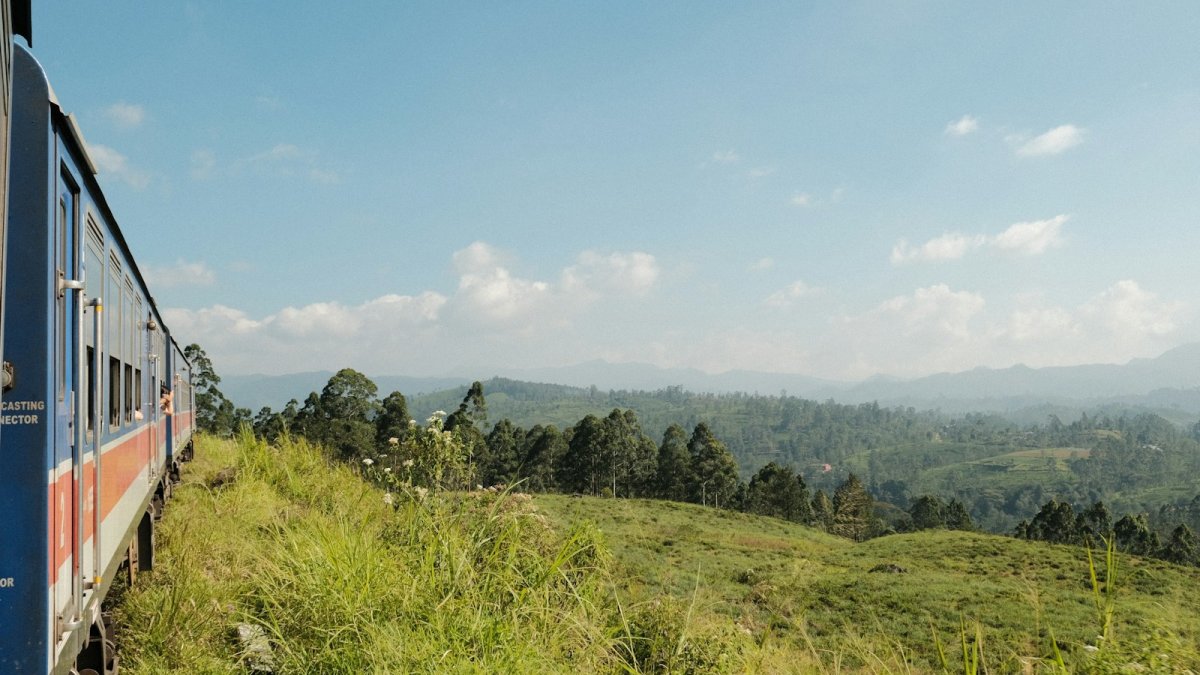
Sri Lanka Train Tickets: Reserved Seats, Pravesha & Booking Guide
Book Sri Lanka train tickets with the right official service. Compare reserved seats and Pravesha, check route disruptions and use a journey-planning worksheet…
In this guide
- Reserved seats, Pravesha and train timetables: what is the difference?
- How do you book a reserved train seat in Sri Lanka?
- When should you start looking for tickets?
- Does an empty search mean the whole train is sold out?
- Which train class should you choose?
- Is the Kandy–Ella train running for your trip?
- Budget the full journey, including both station transfers
- How should you compare train-ticket costs?
- Copy this Sri Lanka train-journey worksheet
- Sri Lanka train-ticket FAQs
To book Sri Lanka train tickets, first decide whether you need a reserved seat on a particular service or an ordinary journey ticket. Use Sri Lanka Railways’ official seat-reservation portal for reservations and Pravesha for eligible commuter tickets. Check the operating service, boarding station and onward transfer before paying: buying a ticket and confirming that your entire intended route is running are separate checks.
A scenic railway journey can be a memorable part of a Sri Lanka holiday. The booking process becomes much easier when you separate four decisions: where you want to travel, whether the service operates, which ticket you need, and how you will reach your accommodation afterwards. This guide explains that sequence, with a comparison table and a reusable journey worksheet.
Official booking information reviewed on 18 October 2026. This is a booking guide, not a live departure board. Recheck service notices and the terms displayed for your journey before purchase.
Reserved seats, Pravesha and train timetables: what is the difference?
Start at the Sri Lanka Railways website, which links its digital services. The products have different purposes. A website being official does not mean every ticket sold there is interchangeable with every other railway ticket.
| Tool or document | Use it for | What to verify separately |
|---|---|---|
| Official seat-reservation portal | Searching reservable seats for a selected journey | Exact service, class, passenger details and payment confirmation |
| Pravesha commuter ticket | An eligible ordinary journey between stations on a travel date | Permitted train category; do not infer an assigned seat |
| Train timetable result | Understanding station stops and scheduled departures | Current operation, reservation availability and disruption notices |
| Agent booking request | Asking an intermediary to arrange a ticket | Whether an actual ticket has been issued and which conditions apply |
Pravesha describes its commuter product as a normal ticket for a journey between two stations on a specified date, rather than a reservation tied to one train. Its homepage also states that commuter e-tickets are not valid on intercity trains. Check eligibility before treating that flexibility as permission to board any departure.
Keep the ticket itself, not just the checkout receipt. An email headed “booking request received” from an intermediary may describe a different stage from a confirmed railway reservation. Ask what document you will receive and when.
How do you book a reserved train seat in Sri Lanka?
Use the official online seat-reservation service. For ordinary holiday travel, select the general-passenger option. Government warrant and season-ticket processes are different products; their instructions should not be applied to a tourist booking.
- Check the route first. Write down the actual boarding and destination stations. Establish whether you want a direct journey or are comfortable changing trains.
- Check operation. Read current railway notices and ask about your exact section if the status is unclear. A route name on a general information page is insufficient confirmation.
- Create or access your account. Have the passenger identification details and an accessible email address ready. Enter names and document information carefully.
- Search the real date and group size. Compare the services and classes offered for that search. Verify both outward and return arrangements where needed.
- Review the whole purchase. Check stations, date, train, class, passenger count and total payable. Read the cancellation conditions before reaching the payment stage.
- Confirm the outcome. Save the issued e-ticket and confirmation. If money leaves your account without a ticket, investigate the transaction rather than assuming you have secured seats.
The reservation FAQ says reservations open up to 30 days ahead, with a maximum of five seats per booking. Seats are allocated automatically according to availability. It also says general-passenger e-tickets can be presented digitally or printed. These are the published rules at review; the booking screen and current conditions govern your purchase.
For a larger group, plan how the booking limit affects your arrangements before the release date. Separate purchases can produce different outcomes. Do not assume that completing one transaction reserves space for everyone else in your party.
When should you start looking for tickets?
Before the reservation window opens, settle your preferred date, station pair and acceptable alternatives. Make a short list of what can change: perhaps the departure, class or travel day. Keep genuinely fixed commitments, such as a flight, visible alongside that list.
A useful preparation schedule has three stages. First, research the journey while accommodation is still flexible. Next, check booking availability when your date enters the published reservation window. Finally, recheck service information shortly before travelling. These checks answer different questions and none replaces the others.
Avoid building an entire holiday around one photograph or one preferred seat. Decide whether the train is an essential transport connection, a scenic experience, or both. If it is essential transport, a workable backup matters more than securing a particular view.
Does an empty search mean the whole train is sold out?
No single interpretation fits every empty search. First compare the date with the reservation window, then check the station names, passenger count and service information. Online reservation inventory and the existence of an operating train are different things.
| Search result | Next useful check | Avoid assuming |
|---|---|---|
| Travel date outside the release window | Return when the date becomes eligible | The train is already full |
| No reservable seats for the group | Ask about other departures, dates or legitimate ticket options | A smaller search will keep everyone together |
| Station pair not producing results | Confirm the service stops and ticket validity with the railway | Buying from another station automatically solves the problem |
| Disruption or unclear operation | Check the named railway section and an alternative transfer | An old timetable proves the journey is running |
If you consider changing your boarding station, establish how you will get there and whether the ticket remains valid for the proposed boarding arrangement. A workaround that creates a separate early-morning road journey may be less useful than changing the travel day.
Likewise, an ordinary ticket is a different travel decision from a reserved-seat booking. Ask about the intended train, boarding conditions and your group’s needs. Families and travellers who cannot comfortably stand should assess those needs before relying on an alternative ticket type.
Which train class should you choose?
Compare the actual offer for the departure you are booking. Record whether the ticket includes a seat reservation, the advertised carriage type, and anything your group needs to confirm. The class label alone does not answer every question about the journey.
Consider journey length, luggage, children, temperature preferences and how important guaranteed seating is to you. For a photography-focused trip, do not assume you can select a particular side or use an open doorway. Follow staff instructions and photograph from permitted positions.
For mobility requirements, ask the railway about boarding and facilities for the specific train and stations. A general description of first or second class is not an accessibility assessment. Include the transfer from station to hotel in that enquiry.
Choose a journey that leaves time to enjoy the destination. Trodly’s Kandy guide and Nuwara Eliya guide can help you decide what deserves an overnight stop instead of becoming another rushed connection.
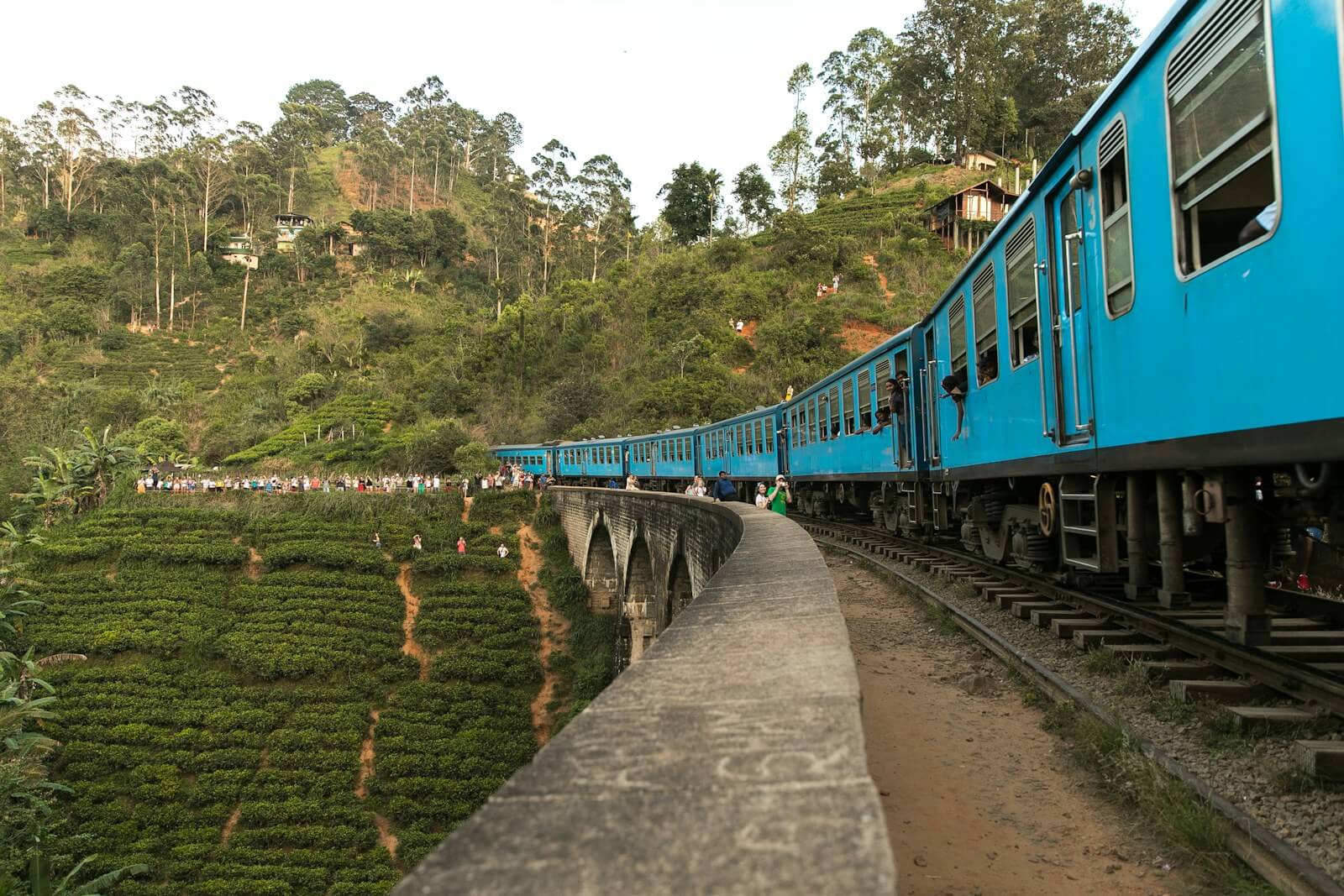
Is the Kandy–Ella train running for your trip?
Confirm your exact date and section directly before treating this as an available through journey. On review, the railway’s official media notices included a June 2026 announcement about restored Badulla–Nanu Oya services. Reopening that section does not establish that every hill-country connection has resumed.
The railway’s main timetable link also displayed an under-development notice at review. An older schedule service remains linked from its reservation FAQ, but a searchable timetable should still be checked against operational notices. If sources disagree, contact the railway or station rather than choosing the most convenient answer.
Ask a precise question: “Does this train operate between these two stations on this date, and does it require a change?” If only a shorter section is confirmed, decide whether that section still fits your holiday. Keep the remaining road transfer visible in both your timing and budget.
Save a fallback before committing to a non-refundable onward plan. This could mean an alternative travel day, a different overnight base or a confirmed road transfer. Trodly’s Sri Lanka road-trip guide provides destination ideas; obtain current transport arrangements separately.
Budget the full journey, including both station transfers
Calculate the day from hotel departure to arrival at the next hotel. Include reaching the station, boarding time, the rail journey, any connection and the final transfer. A cheap ticket can still involve a substantial travel day.
For a hill-country stay, ask your accommodation to name the appropriate railway station and quote the transfer from there. Confirm the pickup location and what happens if the train is delayed. Avoid using a town name, hotel name and station name interchangeably when sending instructions.
As an illustrative planning exercise, suppose you leave your hotel at 08:00 and expect to reach the next accommodation at 16:00. That is an eight-hour travel block even if only five hours are scheduled aboard the train. Those figures are an example, not a Sri Lanka timetable. Use your own confirmed times.
Keep luggage manageable, save tickets offline and carry what your party needs for the journey. Charge your phone before departure and keep the pickup contact accessible without mobile data. Ask about baggage arrangements instead of assuming a large suitcase will be convenient everywhere.
How should you compare train-ticket costs?
Compare the total for the same date, passengers, train and class. If an intermediary is involved, separate the railway ticket from its service fee, delivery arrangements and any station transfer. A higher quotation may include useful assistance, but ask for the components in writing before deciding.
Read what happens if the requested reservation cannot be obtained. Does the provider return your payment, offer another departure or ask you to approve an alternative class? Establish that before paying. A promise to try for tickets is different from an issued ticket for the journey you selected.
Use the live checkout for current amounts, and keep the conditions attached to that purchase. This guide does not publish a universal fare because the journey and product determine what you buy. Compare the value of the complete arrangement, including the time and cost of getting to the correct station.

Copy this Sri Lanka train-journey worksheet
| Record | Your confirmed detail |
|---|---|
| Travel date and all passengers | ________________ |
| Exact boarding and arrival stations | ________________ |
| Operating service and latest check | ________________ |
| Ticket type, class and reservation details | ________________ |
| Issued ticket and payment confirmation | ________________ |
| Hotel-to-station and arrival pickup | ________________ |
| Cancellation conditions and fallback | ________________ |
Share the completed version with everyone travelling. It is particularly useful when one person books tickets and another organises accommodation. For the wider route, use Trodly’s Sri Lanka travel guide, then give each transfer its own practical check.
Sri Lanka train-ticket FAQs
What is the official Sri Lanka train-booking website?
Use seatreservation.railway.gov.lk for reserved-seat searches. Pravesha is a separate railway-authorised commuter-ticket service. Start from Sri Lanka Railways’ own links and check which product matches your intended train.
How far ahead can I reserve a seat?
The published general-passenger reservation window is up to 30 days before travel. Check the current portal for your date. Having a date inside that window does not establish availability or confirm that a disrupted section is operating.
Can I choose a particular window seat?
The official reservation FAQ says seats are automatically allocated according to availability. Plan around the journey you can confirm, and avoid treating a preferred side, seat number or photograph as part of a guaranteed experience.
Does buying a commuter e-ticket guarantee a reserved seat?
Do not treat the products as equivalent. Read the ticket category, permitted services and any actual reservation details. Pravesha specifically excludes intercity travel from its commuter e-ticket validity.
Should I connect a train straight to my international flight?
Assess the entire transfer and the consequence of delay. Leave a margin appropriate to the journey and consider returning to your departure area earlier. No fixed buffer in a general article can guarantee an international connection.
More from Trodly
The Best Road Trips in Sri Lanka
Missing having road trips Just the two heads sitting in a car Driving anywhere everywhere nowhere Talking nonsense that makes sense Shoving…

10 Must Visit Places in Sri Lanka
The ancient humans of Palaeolithic age are in for a shock if they re-visit their former home, the stunning Island country of…

North Goa or South Goa – Where Should You Stay?
The debate of where to camp in Goa has existed for a long time now and has given birth to many theories…