
7 Places Near the India–China Border: Access & Travel Notes
Seven border landscapes, with geographic context, separate access considerations and official resources for planning a permitted Himalayan journey…
In this guide
The Himalayan borderlands contain some of the region’s most striking landscapes: high plateaus, cold-desert valleys, snow-capped mountains and old trade routes. The places in this list lie in different regions, including Ladakh, Himachal Pradesh and Uttarakhand. Some are disputed or highly sensitive areas, so geographic interest should not be confused with permission to visit.
Can you visit all seven? No single tourist permit covers this list. Aksai Chin and Shaksgam are geographic context here; Depsang and Murgo should not be treated as routine sightseeing stops. Demchok, Shipki La and Nelong need destination-specific eligibility and access checks. Choose a confirmed visitor route before booking transport.
1) Aksai Chin
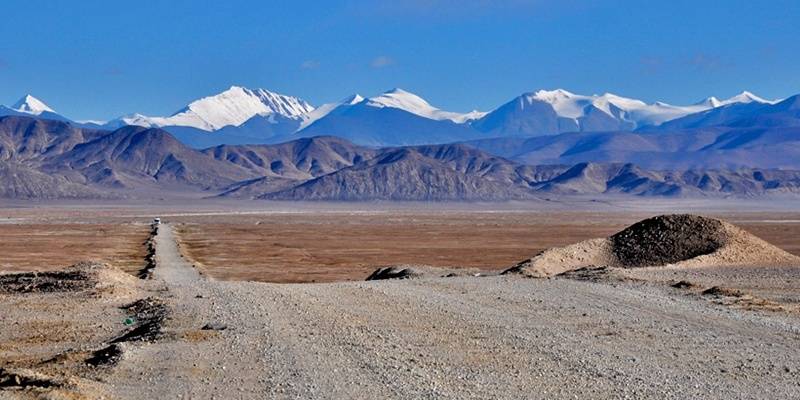
Aksai Chin is a disputed high-altitude region administered by China and claimed by India. Its cold-desert plateaus and salt lakes form part of the wider trans-Himalayan landscape. It is included here for geographic context, not as a road-trip destination from Leh. A Ladakh tourist permission is not authority to cross the Line of Actual Control or enter Chinese-administered territory.
The landscape is stark and remote, with large differences between the places shown on a map and those accessible to ordinary visitors. Travellers seeking a permitted lake journey from Leh should investigate current Pangong Tso or Tso Moriri arrangements separately, including nationality-specific access and acclimatisation. Do not use a map’s apparent proximity as an onward route.
2) Depsang Plains
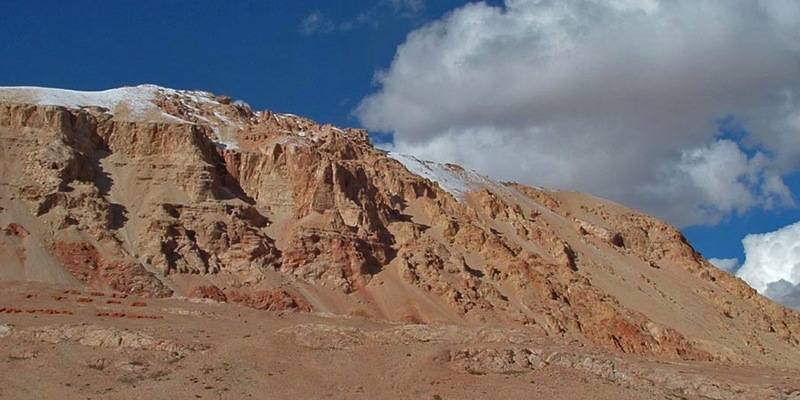
The Depsang Plains are a high-altitude landscape in the northern Ladakh border region near the Line of Actual Control. Military and diplomatic developments should not be treated as changes to tourist access. This article does not establish a current visitor route into Depsang.
Nubra Valley, Murgo and Daulat Beg Oldi are not interchangeable tourism stops. A permit or itinerary for a familiar Nubra visit does not automatically authorise travel further into sensitive border areas. Confirm your exact proposed road, endpoint and traveller eligibility with the competent local authority before planning an excursion.
3) Murgo
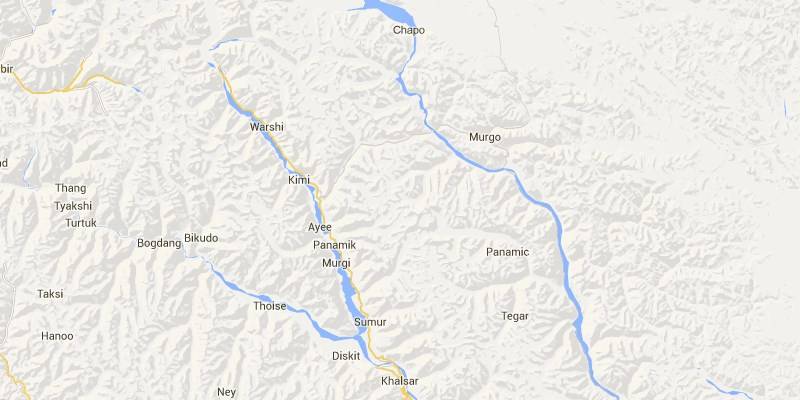
Murgo lies in the remote northern Ladakh border landscape. It is known in descriptions of the wider Karakoram region, but it should not be presented as a routine side trip on every Leh holiday. Facilities and access must be established for the specific journey rather than inferred from a village’s appearance on a map.
The surrounding high mountains and cold-desert terrain are compelling, but a sightseeing description is not a route authorisation. Do not attempt an international road approach, a pass crossing or a restricted track on the basis of an old blog. Ask the administration to confirm whether the exact endpoint is open to your nationality and vehicle on your dates.
4) Demchok
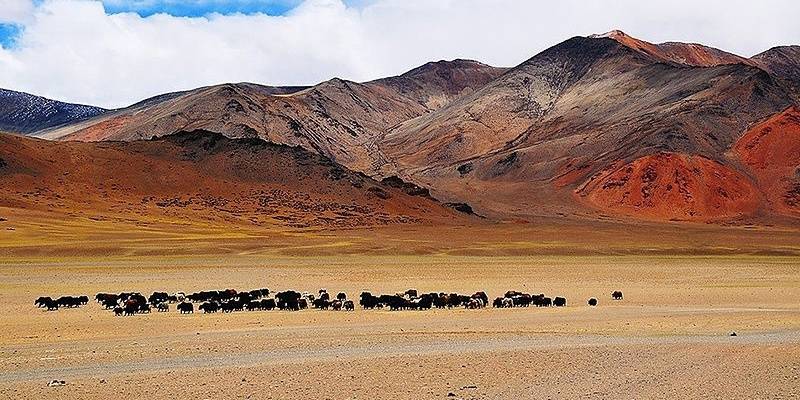
Demchok is a border settlement in eastern Ladakh. It is not a straightforward substitute for the better-established visitor circuits around Leh, and access arrangements can change. Check the specific permitted route, required approval and available accommodation directly before planning a visit. Do not assume that carrying camping gear makes an overnight stay permissible.
The appeal is the broad cold-desert setting, but any journey needs adequate time, confirmed transport and high-altitude preparation. Follow the limits imposed at checkpoints, including photography rules. A general statement that an area is “open” does not necessarily cover every road, traveller or overnight location.
5) Shipki La
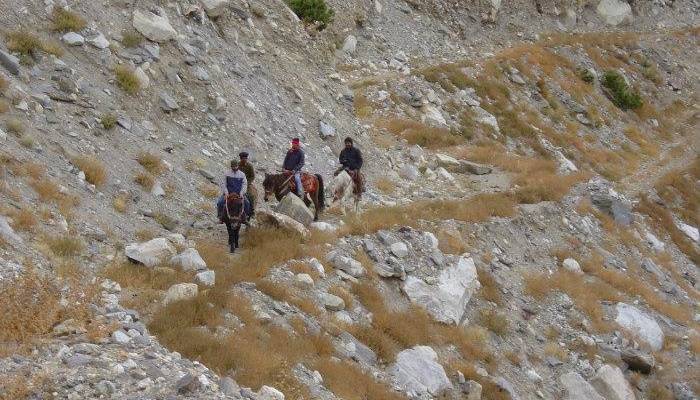
Shipki La is a mountain pass in Kinnaur, Himachal Pradesh, associated with historic Indo-Tibetan trade and the Sutlej’s passage into India. Its mountain setting is a draw, but it is a regulated border destination rather than an unrestricted weekend viewpoint.
Domestic border tourism was launched at Shipki La in June 2025, replacing the old blanket description that non-residents cannot visit. Eligibility, ID checks and operating conditions still need confirmation for the intended date. Foreign visitors should not assume that domestic arrangements apply to them. Check the Kinnaur administration’s tourism and protected-area guidance and contact the district authorities about the exact route; the published foreign-visitor guidance is distinct from domestic tourism announcements.
6) Nelang Valley
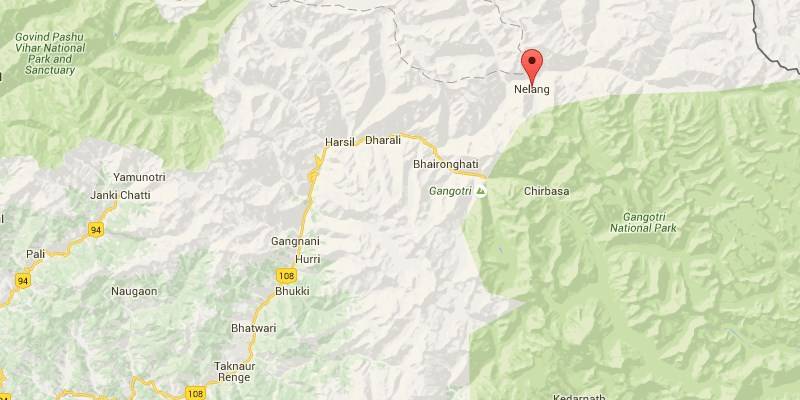
Nelong, also written Nelang, is an inner-line valley in Uttarkashi district, Uttarakhand. Its cold-desert scenery contrasts with the greener Bhagirathi valley below. The district administration describes tourism access as daytime only. Confirm current permission, eligibility, vehicle arrangements and the allowed endpoint before travelling; do not assume overnight camping is possible.
The region was associated with an old trade route towards Tibet. The Jadh Ganga and traces of that trading history add interest to the mountain landscape. Gartang Gali’s restored wooden walkway and a journey deeper into Nelong are different visits with different arrangements; booking one should not be assumed to authorise the other. Allow time for road travel and reconfirm weather and access locally.
7) Shaksgam Valley
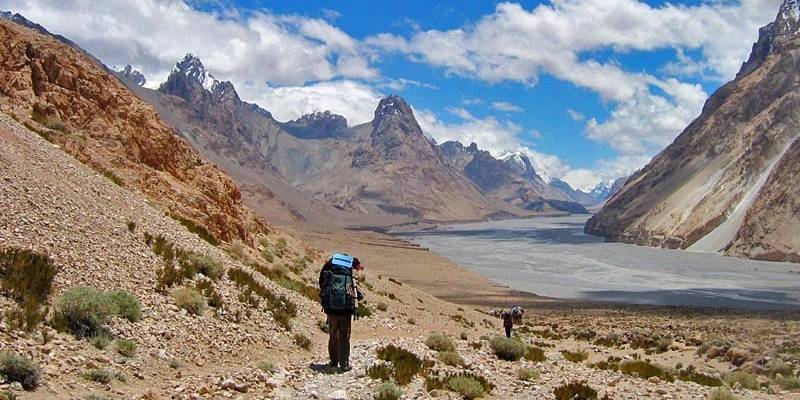
source: commons.wikimedia.org/wiki/File:Shaksgam_valley.jpg
Shaksgam Valley is in the Trans-Karakoram region, administered by China and claimed by India. Its glaciers, river valley and surrounding Karakoram mountains make it geographically significant. It is included here as background to the border landscape, not as a tourist excursion from Ladakh.
The remote setting does not make it a suitable independent adventure itinerary. Do not plan an approach through restricted areas or an international crossing without the relevant country’s legal entry arrangements and explicit authority for the route. For a normal Himalayan holiday, choose an established destination with confirmed visitor access instead.
The beauty of these landscapes is real, but the seven names do not form one bookable circuit. Choose a permitted destination and ask precise questions about access, rather than relying on the broad label “border tourism”. Treat checkpoint instructions and written permissions as decisive for the journey.
Planning a permitted border-region journey
For Ladakh, consult the official tourism department about the route you want. A 2026 administrative review discussed changes to the foreign-visitor permit framework; a proposal or meeting report is not itself a new travel permission. Carry the documents required for your actual route and do not photograph security installations.
Allow proper acclimatisation and buffer days. Ladakh Tourism currently advises at least 48 hours of rest after arrival in Leh before higher-altitude travel; see its current visitor advisory. For a less specialised itinerary, compare our quiet-holiday ideas and trek readiness guide.
Frequently asked questions
Does an Indian visa or a Ladakh permit cover every border area?
No. A visa, a protected-area permission and approval for a particular road or endpoint are different things. Confirm the requirements for your nationality and exact route.
Is Gartang Gali the same visit as Nelong Valley?
No. They belong to the wider Uttarkashi border region but are separate visitor experiences. Confirm the permit and transport arrangements for each rather than assuming one booking covers both.
Credits and last update
This post was originally published on Trodly Travel Blog.
Last updated: . Regional facts and access claims reviewed; current authority checks added and original photographs retained.
More from Trodly
Top 5 Places to visit in Northern India
If you've ever searched for an adventure that feels like it was crafted for a seasoned traveller, then say hello to Northern…
11 Offbeat Places in West Bengal You Must Visit
The state of West Bengal has a lot more to offer than Darjeeling, Kolkata and few other popular destinations. Visiting some offbeat…
12 Offbeat Places in Jammu and Kashmir You Must Visit
Jammu & Kashmir, the Paradise of the Earth said the Mughal Emperor Jahangir; no one can deny that this place is blessed…