
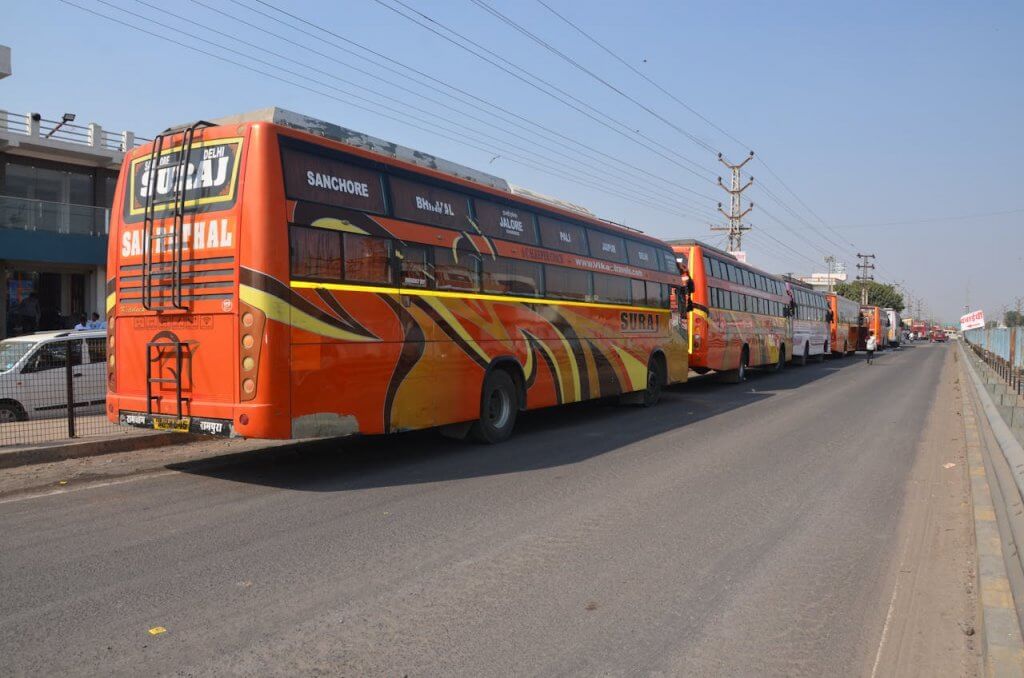
If you’re like me—a traveller who prefers taking the scenic route, feeling the pulse of the land, and embracing unpredictability—then planning a bus-only trip across South India is one of the most enriching ways to explore the region. I recently undertook this journey across South India and specifically Andhra Pradesh, Tamil Nadu, and Karnataka, using only state-run and private buses. No flights, no trains. Just wheels on the road, local flavours, and the freedom to stop when and where I wanted.
What I learned during this slow, immersive ride is something no airport lounge or express train could’ve offered. If you’re thinking of doing a similar trip, here’s a guide—based entirely on personal experience—to help you plan it right.
1. Start with a Flexible Plan, Not a Fixed Itinerary
When travelling by bus, things don’t always go as scheduled. Delays happen. Routes get rerouted. And sometimes, a town you meant to just pass through captivates you enough to stay an extra day.
I began my journey in Vijayawada (Andhra Pradesh) with only three anchor points in mind: Chennai, Madurai, and Mysuru. Everything else was adjustable. This allowed me to add surprise stops like Tirupati, Pondicherry, and Coorg along the way. If you’re planning a long trip by bus, I’d recommend the same: set 3-4 key places and let the journey shape itself between them.
2. Choosing Between Government and Private Buses
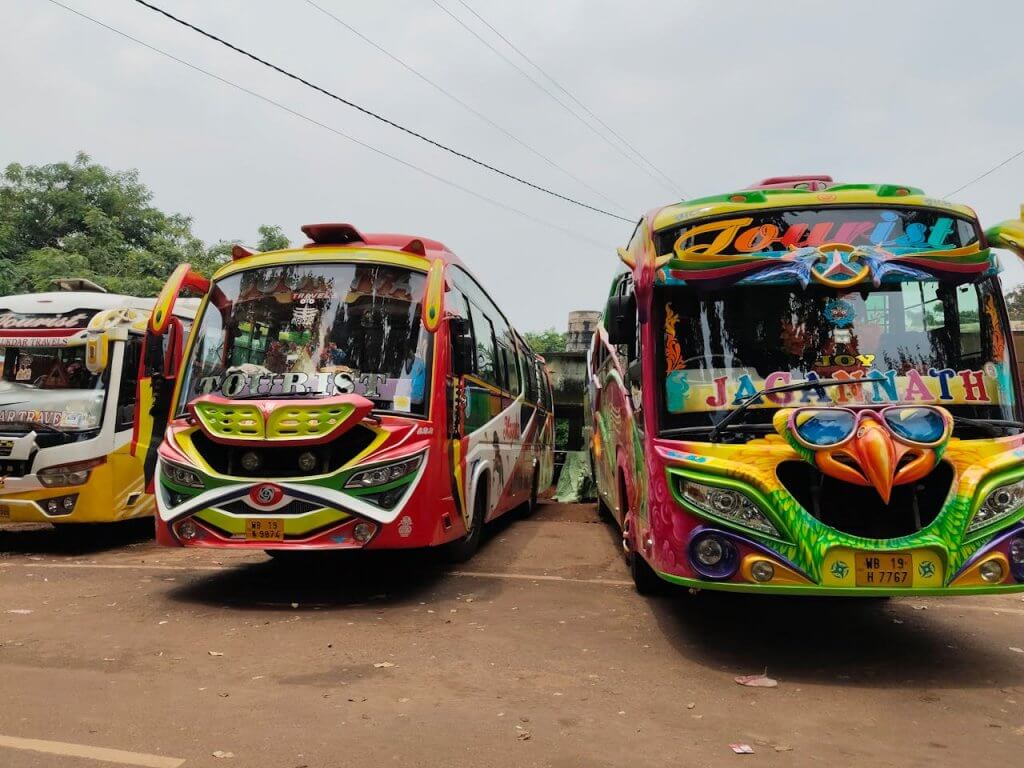
Each state has its own road transport corporation:
- APSRTC (Andhra Pradesh State Road Transport Corporation)
- TNSTC (Tamil Nadu State Transport Corporation)
- KSRTC (Karnataka State Road Transport Corporation)
Government buses are usually cheaper and cover even the remotest towns. However, private operators like KPN, SRS, and Orange Travels offer sleeper coaches, AC options, and online bookings, which are a blessing for overnight rides.
For long hauls (e.g., Vijayawada to Chennai), I picked private Volvo AC sleepers. For local or inter-town trips (like Madurai to Rameswaram or Mysuru to Coorg), I went with government buses. They’re more reliable in small towns and start earlier in the day.
3. Night Buses = Accommodation + Travel
This is perhaps my favourite hack for bus-only travel. If you’re comfortable sleeping in a moving vehicle, night buses can be your best friend. They not only save you the cost of a night’s stay, but they also maximize daytime exploration.
I did overnight buses for:
- Vijayawada to Chennai
- Chennai to Madurai
- Madurai to Bengaluru
I made sure to book bus ticket options that were sleeper buses (not semi-sleepers) and carried my blanket and neck pillow. These small comforts make a big difference. Most luxury night buses now also have curtains, USB ports, and sometimes even entertainment screens.
4. Use Booking Platforms, But Ask Locals Too
While platforms like RedBus, and state transport websites are great for planning and booking in advance, they don’t always show every local route, especially rural or offbeat connections.
In Kumbakonam, I wanted to visit a nearby temple town called Thirunallar. Online platforms showed no results. But a quick chat with a tea vendor near the bus stand led me to a local TNSTC bus that ran every two hours.
So yes, use apps, but always double-check at the local bus depot or with people around. The best part? Locals are often more than happy to help.
5. Pack Light but Pack Right
Bus journeys mean frequent loading/unloading, especially if you hop buses often. I carried a 45L backpack with essentials:
- 3 sets of clothes (quick-dry types)
- A pair of sandals and one walking shoe
- Toiletries, wet wipes, power bank
- A reusable water bottle and a steel mug
- A small sling bag for valuables and documents
Also, carry snacks like bananas, nuts, or energy bars. While buses stop at highway hotels, the timings aren’t always consistent, and you don’t want to be hangry on a 6-hour ride through rural Karnataka.
6. Explore Small Towns, Not Just Big Cities
While metros like Chennai and Bengaluru are exciting, some of the most heartwarming experiences came in smaller towns:
- Nellore gave me the best Andhra thali I’ve ever had.
- Thanjavur blew me away with its majestic temples and quiet charm.
- Madikeri (Coorg) was refreshingly cool and scenic, perfect after days of bus heat.
These towns are well-connected by bus and far less crowded. They’re also more affordable and offer a deeper glimpse into South Indian life and culture.
7. Safety and Comfort Tips
- Travel early: For solo travellers, especially women, it’s advisable to finish inter-town travel by sunset.
- Seats over Standing: Always book in advance if possible. Standing for hours in a moving bus is no fun.
- Hydration + Restroom Strategy: Many buses don’t have toilets onboard. So, use the breaks wisely and avoid overloading on liquids.
I also avoided buses after 10 PM in unknown areas, especially non-Volvo ones, for safety reasons.
Conclusion
When I set out on this trip, I thought bus travel across three states would be exhausting. In some ways, it was. My legs cramped. I sometimes miss connections. But the trade-off? Freedom, stories, and a deeply personal connection with the land.
I watched dawn break over the Bay of Bengal while sipping filter coffee in a sleepy Andhra town. I saw temple bells echo at dusk in Madurai. I drove through misty mountain curves toward Coorg in a half-empty KSRTC bus.
If you’re willing to let go of fixed timelines and embrace the rhythm of the road, a bus-only journey across Andhra, Tamil Nadu, and Karnataka can be unforgettable. And trust me—it’s not just about reaching a destination. It’s about being present every mile of the way.