
How to Book a Safari in India: Official Portals, Permits & Planning
Learn how to book an India wildlife safari, find official portals, compare permits and packages, choose the right gate and calculate the full trip cost…
In this guide
- Safari booking terms: a quick comparison
- Where to start: official safari booking sources
- Step 1: choose a reserve around the trip you can make
- Step 2: choose the gate, session and accommodation together
- Step 3: identify every component of the price
- Step 4: enter visitor details and check the confirmation
- Step 5: plan the day around the reporting time
- What to do when availability or plans change
- Copy this safari booking checklist
- India safari booking FAQs
To book a wildlife safari in India, choose the reserve, date, gate and session; follow the reserve or state forest department’s official booking route; and confirm whether the purchase covers only a permit or also the vehicle and guide. Match the visitor details to the required identity documents, save the confirmation, and arrange transport to the correct reporting point.
The most useful first question is not “Which park is best?” but “What exactly am I booking?” A forest entry permit, a shared vehicle seat, a private safari and a lodge package can represent very different purchases. This guide explains the differences and supplies a practical checklist you can use across reserves. Official references were checked on 10 October 2026; availability, fees and booking conditions must be read on the selected reserve’s current system.
Safari booking terms: a quick comparison
| Term | What it may mean | What to confirm |
|---|---|---|
| Entry permit | Permission for named visitors to enter a specified area | Gate, zone, date, session, vehicle and guide inclusions |
| Single seat | A place in a shared safari arrangement where offered | Whether the quote includes the vehicle share and guide |
| Full vehicle | A vehicle allocation or private arrangement | Maximum permitted passengers and total payable amount |
| Safari package | An operator’s combination of services | Permit status, transfers, vehicle, guide, meals and stay |
| Lodge booking | Accommodation near a reserve | Whether any safari is separately confirmed |
| Night-stay permit | A particular overnight forest accommodation arrangement | Its own entry, vehicle and safari conditions |
These descriptions are a reading aid, not a national ticketing standard. The words on an advertisement do not establish the inclusions. Read the final permit or service confirmation and ask for unclear items in writing. A room near the forest can be a perfectly valid hotel purchase while providing no reserved access to a safari.
Where to start: official safari booking sources
Begin with the relevant forest authority. The National Tiger Conservation Authority’s reserve directory links to reserve and state websites. A government-endorsed booking service can use a domain other than .gov.in, so check the referral from the authority rather than judging by a name, logo or search position alone.
| Reserve or group | Official starting point | Main check |
|---|---|---|
| Corbett, Uttarakhand | Corbett Tiger Reserve | Choose the exact visit or accommodation category |
| Ranthambore, Rajasthan | Rajasthan Forest Department | Use its specific Ranthambore booking link |
| Kanha and Bandhavgarh, Madhya Pradesh | MPOnline Forest | Select the reserve and current trip category |
| Tadoba–Andhari, Maharashtra | Official Tadoba booking portal | Confirm gate, session and present inclusions |
| Pench, Maharashtra | Maharashtra Forest safari booking | Distinguish Maharashtra from Madhya Pradesh |
| Gir, Gujarat | Gujarat’s official Gir portal | Distinguish Gir Jungle Safari from other offered experiences |
This is a selected directory, not a complete list of Indian reserves. The Rajasthan Forest Department presents Ranthambore separately from its other wildlife and zoo booking services. At Corbett, the reserve’s own website warns visitors about misleading booking websites. Follow the official source to the current transaction page; an older deep link may stop working after a booking-system change.
Step 1: choose a reserve around the trip you can make
Start with your arrival city, available nights and travel tolerance. A safari that needs a long transfer after an overnight journey may be less enjoyable than one with a calmer arrival day. Reserve time to reach your accommodation, eat and prepare for an early report. Wildlife watching is harder to appreciate when the entire group is exhausted.
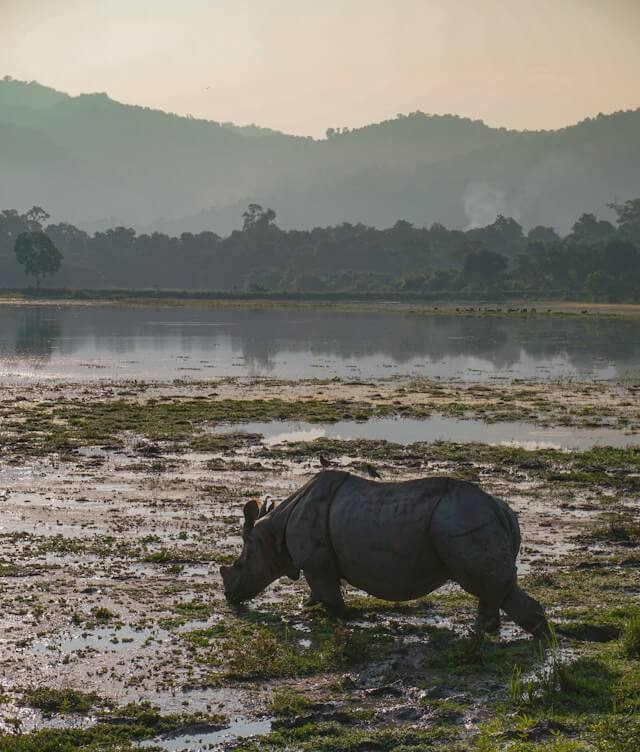
Choose the experience you want as well as the place. Forest interpretation, birdwatching and landscape photography can be worthwhile even without a big-cat sighting. A wildlife trip is not a guaranteed encounter. Decide whether everyone in the group wants several long vehicle sessions or would prefer one safari and other permitted local activities.
For destination ideas, use Trodly’s South India wildlife guide or its UNESCO natural-sites guide. Then return to the reserve’s own visitor information for the operational details. A destination’s protected status and its visitor booking arrangements answer different questions.
Step 2: choose the gate, session and accommodation together
A reserve name alone is not a pickup address. Write down the reporting point on the proposed permit and compare it with the accommodation location. Ask the host how that particular gate is reached at the required time. “Near the national park” is insufficient when different entrances serve different visitor routes.
Check whether the hotel provides a transfer and what happens if your group has permits at different gates. Moving accommodation midway through a short stay may consume the time you intended for rest. Conversely, choosing a lodge solely for its appearance can create a difficult pre-dawn journey. Fix the gate-and-stay relationship before paying for a restrictive room rate.
Morning and afternoon sessions are schedule choices, not guaranteed wildlife rankings. Consider arrival time, the group’s comfort, the season and the journey afterward. Do not combine an afternoon safari with an onward connection that depends on leaving the forest at an exact minute. Reporting, boarding and return transfers all need time outside the safari session itself.
Ask for the current permitted route rather than a promise that a guide will go anywhere you request. Gates, zones and tourism routes may be subject to management restrictions. If an operator quotes a preferred zone, clarify whether it is already confirmed or merely requested. A preference and an issued permit should never be treated as the same thing.
Step 3: identify every component of the price
Compare the total for your actual group and date. Some costs attach to each visitor, some to a whole vehicle, and some to a package. For example, the official Gir FAQ explains that an e-permit does not include locally payable guide, vehicle and applicable camera charges. Its separate services page describes those facilities. Do not generalise that arrangement to every reserve.
| Cost item | Record for your booking | How it can be missed |
|---|---|---|
| Permit or seat | Number of visitors × applicable category | Using a price for a different visitor category |
| Safari vehicle | Full cost or your shared portion | Mistaking a permit for a vehicle reservation |
| Guide | Included or separately payable | Assuming the driver supplies the guiding service |
| Transfer to gate | Pickup, waiting and return arrangement | A low safari quote excludes the hotel transfer |
| Accommodation and meals | Nights, room category and meal plan | Treating a room quote as a complete wildlife package |
| Other permitted charges | Camera, boat or other applicable items | Relying on an old inclusive-price advertisement |
Use a written total rather than adding estimates from unrelated websites. Ask whether taxes and booking-service charges are already included. For shared travel, agree how fixed vehicle costs are divided if a member drops out. A cheaper per-person headline can become more expensive for a small group once all fixed charges are included.
The article deliberately leaves current prices on the booking system. That lets you compare the correct season, nationality or visitor category, group size and ticket type. An old price copied into a guide can create a misleading budget even when the underlying destination advice remains useful.
If comparing an organised trip, put its inclusions next to the direct-booking components. Paying for coordination may be worthwhile when it genuinely covers the services you need. The comparison should show that value clearly. It should also show which permits the traveller must obtain personally and which arrangements the provider will make.
For a concrete comparison, review Trodly’s Bandipur and Nagarhole three-day tour from Bangalore. Its listed inclusions cover private transport and driver services, while meals, accommodation and wildlife explorations are excluded. Check the current programme and arrange the required safari access separately before treating it as a complete wildlife holiday.
Step 4: enter visitor details and check the confirmation
Collect the information requested by the specific booking system before beginning. Check spellings, visitor categories and identity-document requirements carefully. Use the document the system specifies, not whichever card happens to be easiest to find. Keep personal identity information within the authorised booking process rather than sharing it in public travel groups.
Read the correction, cancellation and reporting conditions before paying. Do not assume that a misspelled name, changed date or substituted traveller can be fixed at the gate. If a member’s attendance is uncertain, understand the applicable rules before including them in a restrictive reservation.
After payment, verify that you have the actual confirmation or permit. A payment screenshot alone does not explain what access was issued. Match the date, session, reserve, gate, names and ticket category against your intended plan. Save the booking reference and the contact information supplied by the official system.
Carry the required original documents and the permit in the format requested. Gir’s official booking instructions, for example, require the printed e-permit and original identity card when reporting. Check your chosen reserve separately. Saving a digital copy offline is useful, but it does not replace a printed copy when the local rules require one.
Step 5: plan the day around the reporting time
Confirm pickup the previous day and give the driver the reporting point, not just the reserve name. Set out with time for the actual journey and any check-in procedure. Sort meals, water and permitted belongings beforehand so the morning does not begin with a rushed search for supplies.
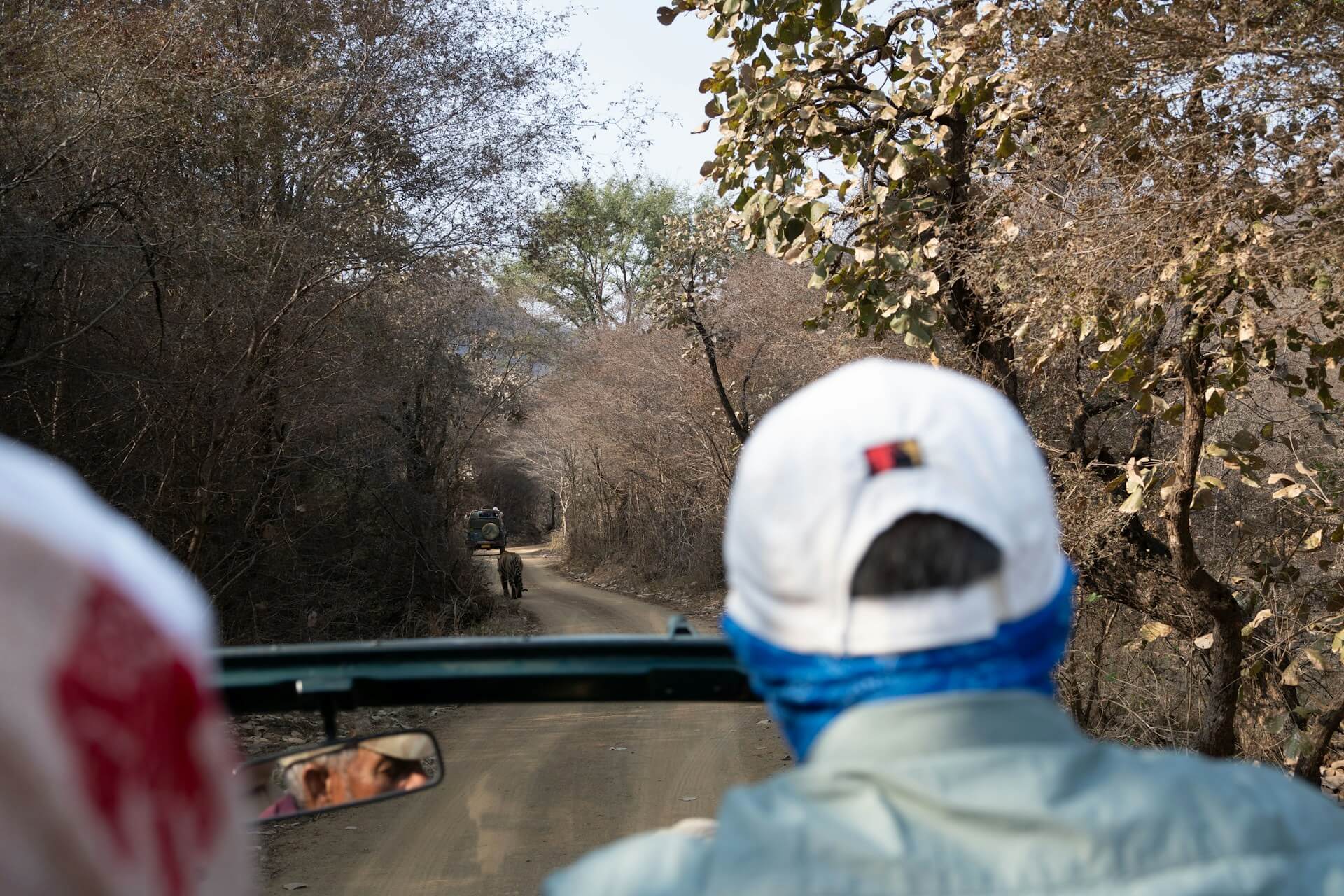
For children, explain that the safari involves sitting, waiting and observing quietly. Ask about current admission and vehicle rules, seating and the duration away from toilets. For anyone with reduced mobility, discuss boarding the actual vehicle, not simply whether the lodge has an accessible room. These are separate parts of the experience.
Follow the reserve staff’s instructions throughout. Remain within the permitted route, keep noise low and let wildlife move naturally. Do not request off-route driving or interference with animals to obtain a photograph. A responsible guide should help interpret what you encounter, including habitats, tracks and smaller wildlife.
Leave the rest of the day adjustable. Rest after an early session before committing to another long outing. If you have booked a second safari, confirm its pickup independently. Being ready for the next session is more useful than trying to squeeze an unrelated distant attraction between two vehicle journeys.
What to do when availability or plans change
If your preferred session is unavailable, compare another permitted session, another date or another reserve that fits the journey. Avoid choosing a distant gate simply because it appears on a booking screen. Work through the transport and accommodation implications first. A confirmed ticket can still be a poor fit for the rest of the trip.
Check the official notice and provider terms if weather, management decisions or a service change affects your visit. Reserve closure, vehicle-service cancellation and hotel cancellation can be separate matters. Record which organisation received each payment and which confirmation applies to each service.
An operator’s estimate of likely access is not a substitute for the issued booking. Ask what is confirmed, what remains pending and what happens if a permit is not obtained. Make that distinction before booking non-refundable transport or accommodation around the promised session.
Copy this safari booking checklist
| Question | Your answer |
|---|---|
| Reserve, state and experience category | |
| Date, session, zone and reporting gate | |
| Permit issued or still requested? | |
| Correct names and required identity documents | |
| Vehicle and guide included? | |
| All payable charges recorded? | |
| Accommodation-to-gate transfer arranged? | |
| Cancellation and change conditions understood? | |
| Children’s or boarding needs checked? | |
| Permit format and reporting time saved? |
Complete this with your travel companions before making the final arrangements. One person can collect the information, but everyone should understand the early start, the seating arrangement and the limits of the visit. A small amount of preparation makes the booking far easier to assess than an attractive photograph and a single headline price.
India safari booking FAQs
Is there one official booking website for all Indian safaris?
No. Booking arrangements are set by the relevant state or reserve. Start with the forest department or reserve’s official website and follow its booking link. The NTCA directory is a useful starting point for tiger reserves.
Does a safari permit include a jeep and guide?
It depends on the reserve and ticket category. Read the inclusions on the selected booking system. At Gir, the official FAQ identifies vehicle and guide facilities as separate from the e-permit. Other arrangements need their own check.
Can I book through a hotel or tour company?
Some services can be arranged through providers, but permit rules vary. Ask which components the provider confirms and which you must obtain yourself. Gir’s portal, for example, states that its e-permit booking is for eco-tourists and restricts professional-operator bulk booking.
How far in advance should I book a safari?
Check the specific reserve’s current release window and availability. There is no single national lead time. Once a suitable session is released, coordinate it with accommodation and transport rather than booking those independently.
Is a buffer safari worse than a core safari?
The label alone does not establish the experience or likelihood of a sighting. Look at the permitted route, habitat, guiding, travel arrangements and your interests. Wildlife remains unpredictable in both settings.
Are tiger or lion sightings guaranteed?
No. A confirmed booking reserves the specified visitor experience, not an encounter with a particular animal. Choose a programme you will value for its landscape, interpretation and wider wildlife as well.
For help choosing an organised outing, compare the live programmes on Trodly’s weekend and nature outings. Use the checklist above to establish what each programme covers, then check the individual page for current availability and inclusions.
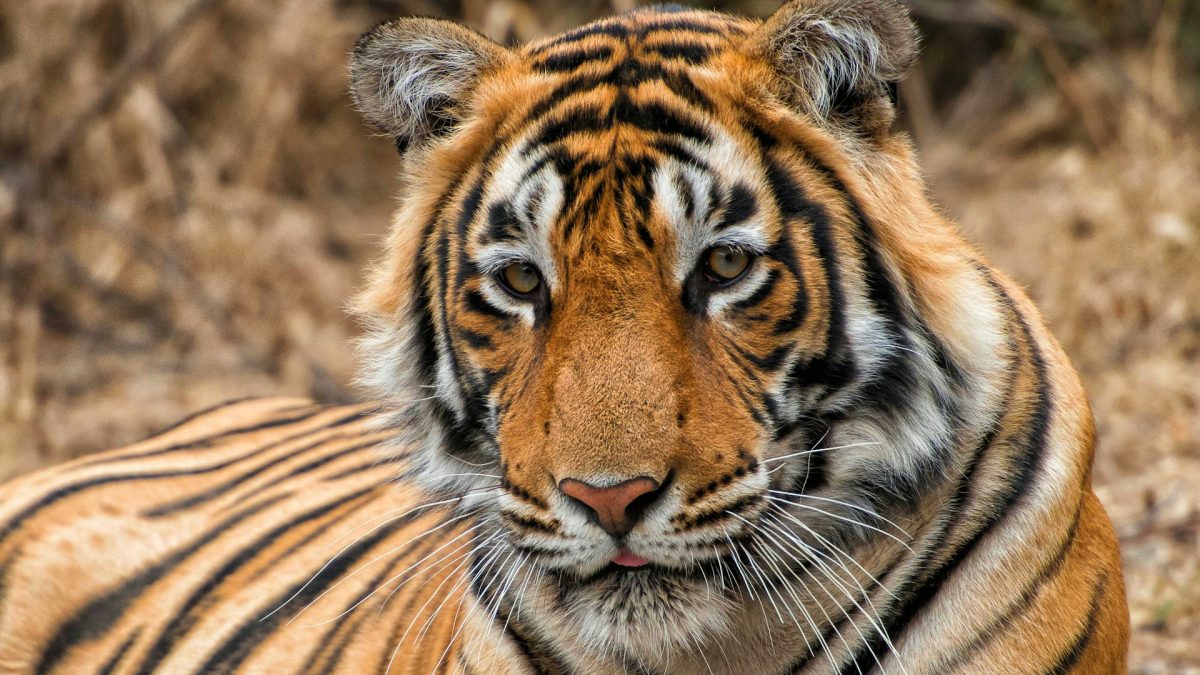
Featured photo: Bengal tiger resting on a forest road in Ranthambore Tiger Reserve. Terry Granger / Unsplash.
More from Trodly
India’s Heritage Railways: UNESCO Status, Routes & Ride Planning
Compare five Indian heritage railways, distinguish UNESCO-listed routes from tentative entries, and choose the right gateway, ride and booking plan…
Must Visit Buddhist Monasteries in India
I always thought spirituality is an abstract concept. Whenever I need some time on my own, just to think things through, I…
Best Winter Treks in India: Must-Do Trails and Expert Tips
India, with its diverse landscapes and breathtaking mountain ranges, offers some of the most exhilarating winter treks in India to be experienced…