
12 Festivals in India You Won’t Want to Miss
Suchandra explores twelve colourful Indian festivals, with updated seasonal guidance, official organiser links and advice for planning a visit…
In this guide
- 1) The Hornbill Festival
- 2) Kila Raipur Rural Olympics
- 3) Alleppey Snake Boat Race
- 4) Sunburn Festival
- 5) Hemis Festival
- 6) The Pushkar Camel Fair
- 7) Holi in Vrindavan
- 8) Dasara Festival Mysore
- 9) Krishna Janmashtami Mumbai
- 10) Jagannath Rath Yatra
- 11) Kumbh Mela
- 12) Durga Puja
- Planning a trip around an Indian festival
- Festival planning questions
India’s festivals range from Hornbill in Nagaland and the Nehru Trophy Boat Race in Kerala to Pushkar, Mysuru Dasara and Kolkata’s Durga Puja. Choose by the experience you want, then confirm the edition’s official dates before booking.
Words by Suchandra. The original descriptions and photographs are retained; expired 2015 dates have been replaced with seasonal guidance and official planning links.
Festivals define this land of diversities and the word ‘diversity’ enters the gamut of festivals as well. We Indians define unity in diversity and the festivals show diversity in unity because celebrations bind us all. The wide array of variety you get to see in them is what sets the country apart from the rest of the world. The Pushkar Camel Fair in the west to Durga Puja in the east, Kila Raipur in the north to Alleppey Boat race in the south, the differences and the similarities are mind-blowing; the colours are breathtaking and the eager wait for the occasion to arrive next year is heart-rending. That is India, the land of dazzling festivals.
1) The Hornbill Festival
Colour colour everywhere and not a moment bland! That is Kisama’s Hornbill Festival in Nagaland. It’s a time when tradition meets commerce and tourism, and the result is boundless joy and endless pride on the part of us Indians who’ve managed to thoroughly preserve ancient cultures in full glory. Nagaland, is a land of diverse communities whose traditions are celebrated at the festival.

So diverse! Well, that is India! Each tribe is unique so can you imagine the dazzle when they all come together for a ten-day festival within a single venue? It’s like seeing a most spectacular rocket bursting into 20 colours all at once. The festival is organized by the Government of Nagaland at Kisama’s Heritage Village in order to showcase the state’s varied and diverse culture. There are separate morungs for every tribe where the folks sing, dance and eat in a way typical to their people. The activities held are an assortment of folk music, dance, mock wars, naga styled wrestling, traditional parades, regional games, craft-sales etc. The list goes on and on. Just drink zutho rice beer and let Nagaland sink in.
In memory of the Battle of Kohima, there’s the war memorial museum that will take you back in time. The bamboo pavilion will make your head reel with all the exquisite handicrafts it has to offer. The food is scrumptious and for the food connoisseurs, it’s like an experiment paradise given the unusual tastes of the Nagas. With nightfall, ‘modern-day’ takes over with a snazzy rock concert. Book launches by the local authors are a part of the attraction. The festival now runs over ten days. It’s hard to let go of the good things in life and this is really really great.
When: 1–10 December; Nagaland Tourism lists those dates for 2026. Check the official programme and visitor updates.
Where: At Naga Heritage Village, Kisama about 12 km from Kohima. Check the day’s programme for opening and performance times.
2) Kila Raipur Rural Olympics
‘A healthy mind & a healthy body’, that’s the motto of just about the wackiest sports fiesta of the country. The people of Punjab, they say, are very physically driven. Those who doubt it are most welcome to pay a visit to Kila Raipur near Ludhiana during the announced annual programme. However, I warn them that when they leave, their heads might spin a bit because you may leave quite overwhelmed after you have witnessed this sports extravaganza! It’s crazy, it’s cut-throat, it’s mind-blowing…it’s totally fantastic.

Source: Flickr
Participants take part in a wide range of rural sports and demonstrations. They include just about every kind of daring imaginable. The programme has changed over the years, so check which events are approved for the edition you plan to attend. Rural sports like wrestling, tug of war, kabaddi, weight lifting, volleyball, handball and horse races are the more conventional ones but it all becomes quite quirky when you see activities like handling tractor trollies, sit-ups, stone cracking on chest, tractor pushing with legs. For stuntmen with extraordinary mettle and pluck, this is the land of the free. You can see men picking up three bicycles with one’s teeth and riding two horses at once. People here, literally play with fire. Do not assume animal events, stunts or prize amounts described in older coverage will be part of the current programme. The event was started decades back in the 1930s by a philanthropist named Inder Singh Grewal to provide the hard working and talented men of the region with a platform to present their skill and bravery. It only developed over the years. Sportsmen have only one religion and that is endurance and passion. This is the place you can see that in person.
When: Usually in February; confirm the current edition’s dates and approved programme with local organisers before booking.
Where: Kila Raipur (15 KMs from Ludhiana), Punjab.
3) Alleppey Snake Boat Race
This is like something a very fanciful child reading lots of fairy tales and adventure stories would probably imagine if he lets the mind go running. Held at Punnamada Lake, it’s a magnificent contest where the sport presented cannot be won by individual skill. The boat race is a team-game. The chundan vallams or snake boats can hold a hundred rowers all at once and the game is the victory of synchronization, team spirit and a common brotherhood that binds all the rowers. The rowers in a boat are from different families and backgrounds but when in a game, they have just one family, that of their teammates.

Source: Flickr
The race is usually held in August, on a date announced for each edition, and Alappuzha experiences a deluge of tourists who come to see astounding boat races. Prime-minister Nehru, in the year 1952, on his visit to Alappuzha was so impressed by the grandeur of the races that he awarded a trophy to the winners. This became a practice and has continued ever since. Other kinds of boats also participate in the event like the irutthukuthy designed for speed and nocturnal journeys, vaipu designed for battles on water and the circular churulan besides others but like in a dance troop where the lead dancer grabs the maximum attention, the snake boats are generally the ones that receive the most limelight. Gorgeously draped in silk and a medley of colours, these boats are a treat to the eyes but the beauty lies in the uniformity that is constant. The way the oars move, the concentration of the participating men, the expression on their faces, the bated breath of all the club owners….it’s the same. This ‘sameness’ is what binds the rivals as well. This event will leave you gaping.
When: Usually August, but not always the second Saturday. The 2026 race was scheduled for 22 August; check the Nehru Trophy organiser’s announcements for the next edition.
Where: Punnamada Lake, Alleppey, Kerala.
4) Sunburn Festival
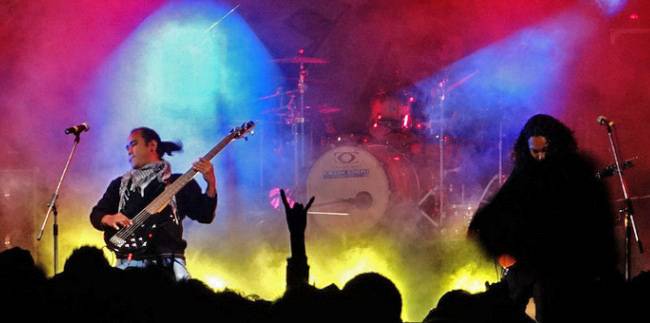
Swanky! That’s what the Sunburn festival is. Originally associated with Goa, it is a popular electronic dance music festival that has hosted major Indian and international performers. Its location, dates and format have changed over the years: do not book a Goa trip on the assumption that the current edition is at Candolim or Vagator. Check the official Sunburn event listing for the announced city, venue, ticket type and programme.

It has hosted names such as Carl Cox, Above & Beyond, Axwell and Afrojack. That history is part of the attraction, but it is not the current line-up. Multiple stages, food and other festival spaces can make this a full outing with friends. Look at what your ticket actually includes, check age restrictions and arrange your return journey before the music starts.
When: Dates and city vary by edition; use the official event listing.
Where: The announced venue for the edition you are booking; older Goa locations are not current venue advice.
5) Hemis Festival
Ladakh, the land of mountain deserts fills with vibrant hues during the annual Hemis Festival in honour of Guru Rinpoche’s birthday. The fiesta venue is the popular Hemis Gompa. Its preparations are headed by the head lama of the monastery. There’s a fabulous fair held here. It will make anybody feel like a child with all the colours around with food to it and things to buy.

Remember those trips to the fair when you’d irritate the life out of your parents asking them to buy toys for you. Well, here’s your big chance traveller. The star of the festival is the exotic mask dance performed around the flagpole in the Hemis monastery’s courtyard. Like all forms of art, it communicates a quaint message – that of evil’s defeat. The depictions of the black-hatted evil wizard Trakpo, the mean Ruta demons and Yamraj will leave you breathless. Guru Padmasambhav or Rinpoche was a messiah born to redeem mankind and these performances are a subtle reminder to people to take the initiative to carry forward the guru’s torch. Let us know if the music and the ‘Cham’ dance does not make you want to clap hard and jump up and down with glee. Coming to the instruments….now that’s a different ballgame altogether. They are more than mind-blowing! The pulsating beats of the drums, the rhythm of the cymbals and the sonorous tune of the astonishingly long horns and trumpets will make your heads reel and transport you to Shangri-La. The monastery’s sacred art and the atmosphere of the gathering add to the experience. Special displays and the precise programme vary, so check the annual announcement and respect the rituals taking place.
When: Usually June or July according to the Tibetan lunar calendar; confirm the monastery’s annual dates through Leh district’s festival information.
Where: Hemis Monastery, 45 kilometers from Leh.
6) The Pushkar Camel Fair
Get set Go animal lovers. This is what you have been waiting for. This unique fair is held in November during Karthik Purnima. It’s an important live-stock trade fair where cattle farmers come together each year to showcase, sell and buy animals. The gathering of animals, traders and visitors is part of the spectacle; attendance varies by year.

Source: Flickr
Today, it has grown in stature into one of the chief attractions of incredible India. There is a whole array of friendly contests like the longest moustache, best bride and breaking the matka. It is a lively place for anyone who enjoys fabrics, ornaments and handicrafts. The stalls are sparkling. The fair begins with a fun-filled camel race. Numerous men and women take a dip in the Pushkar Lake. It’s said to erase one’s sins. An occasion in Rajasthan is never complete without some folk dance and music. This fair is no exception. The local artists form a beautiful part of the whole affair. It is very interesting to see the camels all done up with attractive accessories. One gets to see these gorgeous beasts in full glory when they do all sorts of things like parade like models on a ramp, race and even dance! Oh, the beauties! The carousal doesn’t end here. There are magicians, snake-charmers, stunts-men and acrobats among various other performers. You are most welcome to collect souvenirs from the crafts bazaar so that in years to come, you remember what fun you had at the fair. Nowadays, tourists can even witness the carnival from an air balloon up in the sky. A most interesting activity incorporated recently is the cricket match played between foreign tourists and members of the Pushkar Club. It’s really amusing. Do attend this fair because it’s unforgettable!
When: Around Kartik Purnima, usually October or November. Check Rajasthan Tourism’s Pushkar Fair information and the current programme.
Where: Pushkar near Ajmer, Rajasthan.
Also Read: Pushkar Camel Fair: All you need to know about Pushkar Mela
7) Holi in Vrindavan
Vibrant, so vibrant! Vibrant Vrindavan could probably be one of the 7 wonders of the world….if only the 7 man-made wonders did not have to be architectural delights! Once you have seen Holi in Vrindavan, your life can never be dull. It’s just impossible because all you’d have to do in moments of suspect dullness is close your eyes and imagine what you saw in Vrindavan, the land of Krishna. Like I said, it’s difficult to let go of the good things in life, which is why holi is prolonged here for one solid week where it’s supposed to end in just a day. It’s a most colourful bash where people of every age become 10 year olds. It is but inevitable at a time when Krishna becomes a co-participant in the fun.

Some of the greatest parties (the word seems perfect in spirit) at the Banke Bihari temple and the Gulal Kund of Braj. At the former, Banke Bihari ji, that is, Lord Krishna is dressed in white and brought in close proximity to the devotees while the priests sprinkle coloured water on the devotees. That must be so much fun! Sprinkling water on people who won’t try to save themselves. Ideal! Isn’t it? The devotional numbers sung and played in the background are just like trance music. It does something to the human mind and makes everyone embrace the moment. At Gulal kund near the Govardhan hill, it’s a different kind of fiesta. There are enactments of Krishna leela that are simply unforgettable. If you want to ‘see’ the true meaning of ‘colourful’, you just have to visit Vrindavan during Holi but I warn you travellers, everything else will seem bland once you’ve visited the splashy city during the festival of colours.
When: Around Holi in February or March; Braj’s celebrations span multiple days and places. Check the temple-specific schedule.
Where: Vrindavan near Mathura, Uttar Pradesh.
Also Read: Braj ki Holi – Vrindavan & Mathura
8) Dasara Festival Mysore
It’s glittering! This historical city glitters during the grand festival of Dasara. Dasara generally refers to a particular day in the devi paksh, that of Durga-Dashami but the Mysore Dasara lasts for 10 days. It is celebrated to commemorate the goddess’s victory over the Mahishasura, the buffalo demon. It generally falls in October, and sometimes September.

Source: Flickr
The Mysore Palace is the chief attraction with its dazzling illumination. It’s impossible to count the number of light bulbs put up though you can always try to count. The number is supposedly a lakh. The Dasara exhibition is another attraction; check its current venue and programme separately from the palace visit. You can buy anything you want starting from handicrafts to traditional clothes. Kids get to have their own share of fun games arranged for besides various amusement rides. The party does not end here. There’s a film festival, kite festival, flower show and a food fiesta. However, the show stealer would be the Jumbo savari where the golden idol of goddess Chamundeshwari is paraded seated atop a most opulently decorated elephant. The carnival includes dance, music, multi-hued tableaux and other animals like handsome horses and svelte camels. After this, there’s a torchlight parade conducted on the Bannimandap grounds. This festival has been celebrated on a grand scale right since the medieval years and the tradition has been continued dynasty after dynasty. The royal sword is still worshipped on Durga-Navami. It is also a part of an organized procession full of pomp and colour. Lastly, I must mention the wrestling bout or kusti spardhe which has participants and spectators from all over the country. Upon my word, it’s very entertaining! If you want to taste the true flavours of Karnataka, this event is a must see. It’s simply gorgeous.
When: September or October according to the Hindu calendar. Check the official Mysuru Dasara programme for procession dates, venues and ticketed areas.
Where: Mysore, Karnataka.
9) Krishna Janmashtami Mumbai
It’s party time. The eighth day of Krishna-Paksh is a gala affair in ‘aamchi Mumbai’. Gokulashtami or Janmashtami will leave you thirsting for more. It’s Dahi Handi here. This custom takes after Krishna’s adventures with his friends where they indulged in much mischief making to get their hands on the yummy butter milk. Here human pyramids are made for breaking handis just like our beloved Krishna did.

Source: Flickr
The participants are called Govind pathaks. Groups compete for the prize money. It’s so excessively cool when you see it in person. The adrenaline rush, the mounting tension, the held breath and the final exhalation of relief is just out of the world. There is a joint exhilaration of victory, collective sighs of defeat when pyramids collapse, collective resolutions for the next year and consolidated joy of the festival. For once, no matter which part of the nation you are from, everybody is on the same boat rowing together towards a common goal. Some of the most favoured and noted contest grounds are Mazgaon, Worli, Lalbag, Thane, Lower Parel and Dadar. It’s grand at the ISKCON temple complex in Juhu. The scale, participating groups and viewing arrangements vary each year. This is one event which you must see if only to feel the rush and Krishna’s presence right by your side.
When: August or September; Janmashtami and Dahi Handi celebrations may fall on different days. Verify the local programme.
Where: Streets of Mumbai
10) Jagannath Rath Yatra
If you want to see what ‘grand’ actually means, you are supposed to come to Puri exactly on the second day of Shukla Paksh in the month of Ashar. Going to visit an aunt is generally never a dull affair and it is no different for Lord Jagannath and his beloved brother and sister, Balabhadra and Subhadra. The deities go on a visit to the Gundicha temple and stay before the return journey.

Source: Flickr
On this day the deities come out in procession, and the sight of the colourfully decorated chariots can be unforgettable. Lord Jagannatha, Balabhadra and Subhadra travel towards Gundicha Temple and later return in the Bahuda Yatra. The chariots are constructed for the annual festival; the renewal of the deities is a separate ritual and is not an annual event. Consult the official Rath Jatra information and webcast site for background. Public procession viewing and entry to the main temple are different matters: follow the current access rules and police directions.
When: June or July, on the announced lunar-calendar date. Check the official Rath Jatra resource and local administration notices.
Where: Puri, Odisha
11) Kumbh Mela
The land of the mystic, India hosts the vast pilgrimage gathering of Kumbh Mela at Haridwar, Prayagraj (formerly Allahabad), Nashik–Trimbakeshwar and Ujjain. The calendar follows religious and astrological cycles and is not a simple, fixed three-year rotation that travellers can use to predict their booking dates. It is believed that drops of nectar fell at these places during Samudra Manthan, which is why bathing here carries such spiritual significance for devotees.

Source: Flickr
India’s diversity extends to its religious communities and akharas. Seeing the ascetics, processions and temporary pilgrim city can be spellbinding. Each gathering has its own administration, bathing calendar and traffic plan: confirm those details for the particular location and year. Travellers of many backgrounds attend, so follow local directions and respect the religious practices around you.
When: Dates depend on the location and religious calendar; verify the official notices for the specific Kumbh edition.
Where: Haridwar, Prayagraj, Nashik–Trimbakeshwar or Ujjain, according to the edition.
12) Durga Puja
The world becomes a better place when Devi Durga comes to Kolkata on Mahalaya each year which marks the onset of the most fantabulous festival celebrated in the country. Have you heard of people talking about a city transforming? Kolkata is transformed in a matter of days. The city bustles with the puja preparations right since the end of July but the countdown begins from August. It’s natural. After all, the first thing a Kolkatan does on receiving the calendar every year is check the Durga puja dates.

Source: Flickr
It isn’t just the magazines that have special puja editions or popular singers who have albums particularly created for the pujas or market giants customizing ad campaigns exclusively for the pujas, it is about the pandals that make the Durga Pujas in Kolkata simply unparalleled. There are such outstanding presentations even in such modest budgets. The themes, the concepts, the designs and the structures require a stupendous amount of hard work but the end product drowns any sickness your body might be suffering from. The pujas here ideally start from Saptami or the 7th day of the devi paksh but since good things are always forced to last longer, the celebrations have recently been pushed to Panchami and now even Tritiya (the third day). Yes, Durga Puja is synonymous to madness in Kolkata. It’s the time of the year when the city forgets to sleep because everybody is ‘Pandal-hopping’. When Dashami comes, there is gloom in every Kolkatan’s heart because a year-long wait feels unbearable. Amidst the vibrant ‘Sindur-khela’, the visarjan and the loud entreaties to the Mother to return next year, it’s the heavy heart that binds everybody throughout the city. If you haven’t seen Kolkata during Durga puja, you have missed a great deal so get set go my friends.
When: September or October. The main Puja days and individual pandal opening arrangements follow the annual calendar.
Where: Kolkata, West Bengal.
–
Suchandra @ Trodly
Suchandra is an English grad pursuing her masters at present. She is absolutely crazy about exploring places and loves to read novels when she isn’t writing for Trodly. She hopes to do at least one-fifth of what her bucket list contains but we wish she does everything in it.
This post was originally published on Trodly travel blog.
Featured image by Ranjith shenoy R
Planning a trip around an Indian festival
Reserve accommodation only after checking the official dates, especially when the programme follows a lunar calendar. Different parts of a festival may happen on different days: a cattle fair, cultural programme, religious procession and evening concert are not interchangeable bookings.
- Check whether your chosen viewing area, concert or enclosure needs a separate ticket. Entry to a city-wide celebration does not guarantee a seat or temple access.
- Allow extra time for road closures and queues. Agree on a meeting point before entering a crowd, and follow police barriers and one-way routes.
- Ask before taking close-up photographs of worshippers. For colour festivals, protect cameras and ask before applying colour to others.
- Use the annual programme to choose a quieter day if travelling with children or anyone who needs easy access and breaks.
Festival planning questions
Are all these festivals free to attend?
No. Some celebrations take place in public streets, while concerts, stands and special enclosures can require paid tickets. Check the organiser’s terms for the part you want to attend.
Do the dates stay the same every year?
No. Many religious festivals follow lunar calendars, and even established annual events can move dates or venues. A date from an old edition is not a booking reference.
For a broader route, see our Rajasthan travel guide. Kolkata’s Durga Puja was inscribed on UNESCO’s Representative List in 2021; UNESCO’s description explains its community and artistic significance.
Last updated: . Festival seasons, expired dates, venue assumptions, grammar and official planning resources reviewed; original contributor and photo credits preserved. Original publication date retained.
More from Trodly

20 Breathtaking Natural Wonders of India to Explore
Twenty remarkable Indian landscapes, from Ladakh lakes to living root bridges, with clearer facts and practical access, season and activity planning…

[Infographic] India’s Animal Species That Your Kids Might Not Get To See
Indian subcontinent has already scene complete extinction of animals like Indian Cheetah and Sumatran Rhinoceros in recent times and unfortunately many more…

Top 15 Winter Treks in India
Since the winter is near, we decided to have a best winter treks in India guide for you. This guide will assist…