
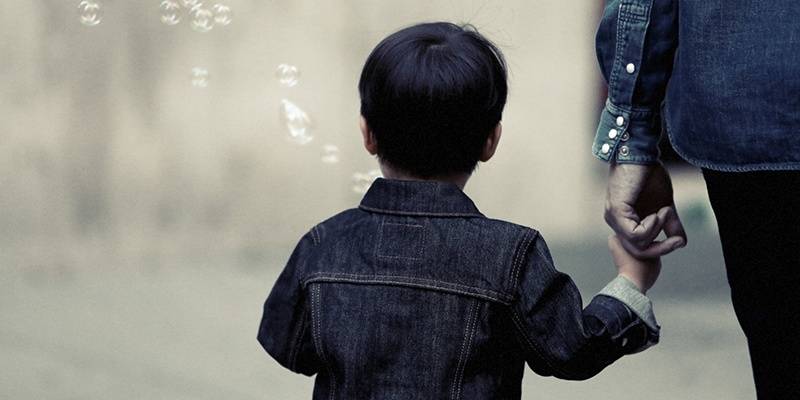
Why You Must Travel with Your Kids
Neha’s reflections on travelling with children, with practical ways to start small, share responsibilities and plan a manageable family outing…
In this guide
School trips to the zoo, trekking with college friends, celebrating New Year in Kerala, bachelor’s party in Goa, honeymoon in Manali, weekend getaways with spouse and then full stop!
Why travel with children? Shared trips can create time for bonding, curiosity and small responsibilities. Start with an outing that suits your child’s age, interests and support needs; a nearby day trip can be just as worthwhile as a long journey.
A Big Full Stop!
That full stop is not because you didn’t get an appraisal but because you were appraised as a parent, and that’s when you start chaining that wanderer in you!
Is that your story?
Are you a young parent whose friend list is depleting as you don’t travel with them anymore?
Take a deep breath and read on, at the end of this blog, you are going to get busy packing your bags for a trip with your li’l ones!
#1 – Family team building and bonding
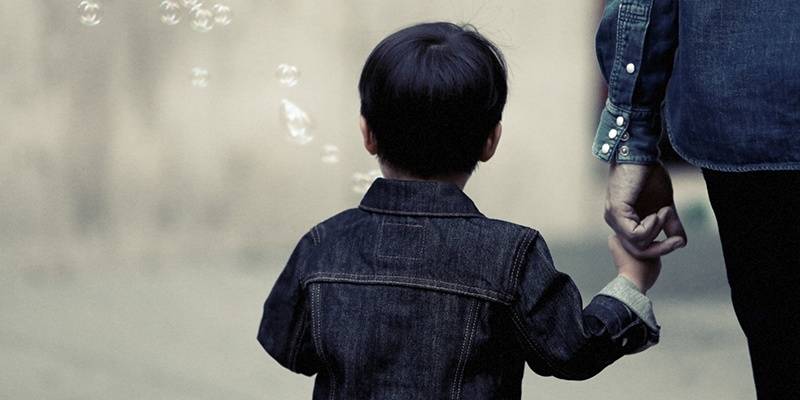
We need to take the highly exaggerated corporate term ‘team building’ on a personal front today!
A family is like a team, supposed to function smoothly. But with work, school, care responsibilities and everyday routines, it can be difficult to find unhurried time together.
Travelling gives the family a chance to sit together in a car or train compartment, leave daily chores behind for a while and spend time together. A shared walk, meal or small discovery can offer that opportunity without requiring an expensive or distant holiday.
#2 – Enormous learnings beyond within four walls
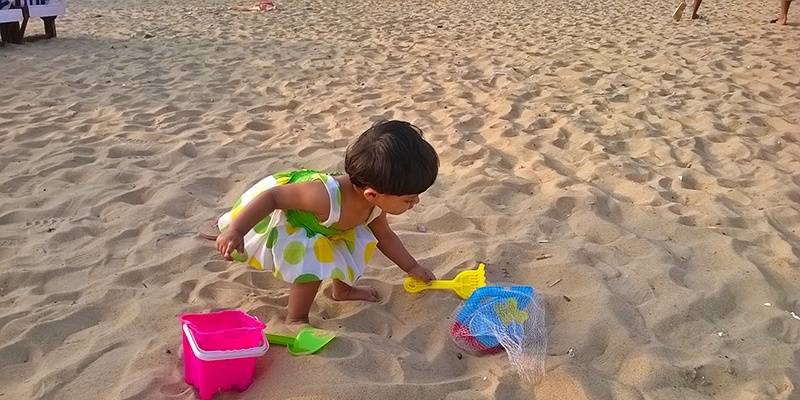
Because of fast moving world, today’s children hardly get a chance to learn from our surroundings. Because in order to learn one must observe first and where is the time for that? I say, to observe it we need to travel first!
We may experience, see, feel varied things while travelling. From serene nature to inspiring human engineering! I have never seen a child not amazed by the enormity of a waterfall or not being curious about trains or the escalators at airports, the fireflies in the woods and what not. The first step to learning is asking the right questions and gaining new experiences while travelling is one of the best ways to realize these questions. Possibilities are endless with a child so I think it is our duty to show them and share with them what we already know and then answer all the whys to the best of our ability. That’s what keeps the wheels of the world turning.
#3 – Learn to cherish experiences over material things
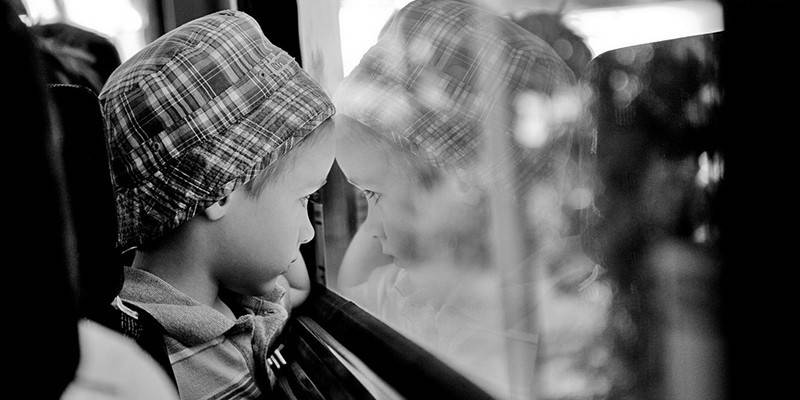
Source: flickr.com/photos/aurimas_m/4442078230
Research discussed by Cornell University links experiential purchases with lasting satisfaction and gratitude. That research is not proof that travel produces a particular personality in children. Still, it makes sense to me when I think of school days: do you remember the colour of a fancy sharpener, or the adventure you shared with your friends? A trip can give a family stories to revisit long after the suitcase is unpacked.
#4 – Kids become responsible and alert

This is for the parents who avoid travelling as they claim their toddlers are unruly and/or are over active! If you start travelling when kids are young and give them small responsibilities like taking care of their soft toy,
remembering in which backpack pocket did mommy keep their favorite candy or even reminding dad to turn off the lights of the house before leaving – makes them feel ‘involved’ and ‘responsible’.
Children often enjoy being trusted with a small, age-appropriate task. Travelling can give them a way to contribute, whether it is choosing a snack, spotting the next station or looking after a toy. Adults still carry responsibility for tickets, supervision and safety.
Travel also gives us reasons to observe our surroundings: a departure board, a new bird or the way people greet one another. Keep this playful and suited to your child’s needs. A child who becomes tired, overwhelmed or restless may need a break rather than another lesson.
These small moments can encourage curiosity and confidence. Children respond differently, and travelling is one of many ways to learn and spend time together; it is not a guarantee of a particular developmental outcome.
#5 – Travel can make children adaptable

A trip sometimes changes familiar routines: a delayed train, a different meal or a room that looks unlike home. With patient support, children can practise handling small changes. Their need for rest, food, comfort and accessibility still matters; discomfort is not something to create deliberately.
Travel reveals the practical side of life, which may not always go as planned. Children watch how adults respond: negotiating politely over a seat, trying an unfamiliar dish or helping someone with luggage. Those everyday examples can be as valuable as the attraction you set out to visit.
For me, the best part is the shared experience. The family that travels together can collect moments that belong to all of them—whether that is a day in a nearby park or a longer holiday.
_
Neha

Neha Vishwas Jagtap is a travelling, oratory and parenting enthusiast who practices all three passions at same time hence found home in more than 55 cities across 7 countries till now. Neha has been successful in sharing the passion of travelling with her three year old daughter as well. Mommy travelled more than 65000 KMs and daughter has already bagged 5000 KMs in three years!
Making the first family trip manageable
Choose one main activity a day and leave space for rest, food and unplanned stops. Involve children in a small choice, pack familiar essentials and check toilets, step-free access, travel time and sleeping arrangements before booking. A short trial outing can help you learn what works for your family.
For concrete ideas, compare our things to do with kids around Bangalore and Mumbai weekend trips without a car. If you choose a railway journey, use the official IRCTC booking service to confirm the current train and passenger details.
Frequently asked questions
Do children need international travel to benefit?
No. A local museum, train ride or nature outing can create shared memories and questions to explore together.
How much sightseeing should we plan?
Start with a light itinerary and adjust to the child. Leave enough time for rest, meals and transitions rather than trying to complete an adult checklist.
Credits and last update
This post was originally published on Trodly Travel Blog.
Also Read: 6 Best Road Trips from Bangalore
Last updated: . Grammar, research context and practical family guidance reviewed; Neha’s original voice, photographs and author credit retained.
More from Trodly
Top Locations for Destination Wedding in India
Matches may be made in heaven, but heaven does not decide your wedding venue, and deciding on a location for your nuptials…

10 Budget International Holiday Destinations from India
Growing impact of globalization has certainly developed an urge among people to travel places but at the same time it is not…
Sri Lanka Beach Weather by Month: East, South or West Coast?
Choose a Sri Lanka beach coast by month. Compare east, south and west seasons, plan around monsoons and check forecasts with a…