
India’s Heritage Railways: UNESCO Status, Routes & Ride Planning
Compare five Indian heritage railways, distinguish UNESCO-listed routes from tentative entries, and choose the right gateway, ride and booking plan…
In this guide
- Five heritage railways: route and UNESCO status at a glance
- What UNESCO status tells you—and what it does not
- 1. Darjeeling Himalayan Railway: joyride or longer railway journey?
- 2. Nilgiri Mountain Railway: start at Mettupalayam, not Coimbatore
- 3. Kalka–Shimla Railway: protect the gateway connection
- 4. Matheran Light Railway: full line and shuttle are different rides
- 5. Kangra Valley Railway: verify the operating section first
- A railway booking checklist you can reuse
- Heritage railway FAQs
India’s UNESCO-listed Mountain Railways property comprises the Darjeeling Himalayan Railway, Nilgiri Mountain Railway and Kalka–Shimla Railway. Matheran Light Railway and Kangra Valley Railway appear in a proposed extension on UNESCO’s Tentative List; they are not inscribed components of that World Heritage property. For a trip, check the operating section and the exact ride as carefully as the heritage status.
A railway can be historically important while offering several very different visitor experiences. A short return excursion, an end-to-end journey and a regular local service are not interchangeable. This guide compares five railways and explains how to build a realistic itinerary around the ride you actually want. Official references were checked on 10 October 2026; schedules, traction and operating sections need a fresh check for your travel date.
Five heritage railways: route and UNESCO status at a glance
| Railway | State | Gateway or route reference | Main planning distinction | UNESCO position |
|---|---|---|---|---|
| Darjeeling Himalayan Railway | West Bengal | New Jalpaiguri / Darjeeling; select the actual service | Darjeeling return joyride versus a longer through journey | Inscribed component |
| Nilgiri Mountain Railway | Tamil Nadu | Mettupalayam–Coonoor–Udagamandalam (Ooty) | Full mountain journey versus a shorter upper section | Inscribed component |
| Kalka–Shimla Railway | Himachal Pradesh | Kalka–Shimla | Arrival at Kalka and onward hill journey are separate stages | Inscribed component |
| Matheran Light Railway | Maharashtra | Neral–Matheran route | Full Neral journey versus Aman Lodge shuttle, when operating | Proposed extension on Tentative List |
| Kangra Valley Railway | Himachal Pradesh | Pathankot–Joginder Nagar route reference | Confirm which sections currently operate before choosing a ride | Proposed extension on Tentative List |
The status column follows UNESCO’s Mountain Railways of India property record and its proposed-extension Tentative List entry. A route reference describes the railway, not proof that every section has a passenger service on your date. The comparison is a trip-planning compilation, rather than an operational timetable.
What UNESCO status tells you—and what it does not
World Heritage inscription recognises the property’s outstanding heritage value. Tentative-list status identifies a site proposed for consideration; it is a different stage. A promotional description such as “heritage toy train” does not by itself establish World Heritage inscription. When writing about a railway, use the designation attached to that exact property.
The Mountain Railways property is a serial listing: its inscribed components are in different parts of India. They are not one continuous railway journey. Darjeeling, the Nilgiris and Shimla each require a separate regional itinerary. Seeing all three is a broader India travel project, not a single mountain-train weekend.
Heritage recognition does not tell you whether a service is running today, whether tickets remain available, or whether the departure uses steam or diesel traction. Those questions belong to the railway’s current passenger information. Check the status source for an accurate description and the operator for the bookable experience.
This distinction is particularly important for a short trip. Travelling to a famous railway without identifying the intended ride can leave you with an unavailable service or a journey that is much shorter than expected. Choose the experience first, then make the gateway and accommodation work around it.
1. Darjeeling Himalayan Railway: joyride or longer railway journey?
Darjeeling’s familiar toy-train imagery covers more than one way to travel. A visitor already staying in Darjeeling may want a return excursion; someone building a regional journey may be interested in a longer rail segment. Decide which of these is your objective before searching for tickets or reserving a mountain hotel.
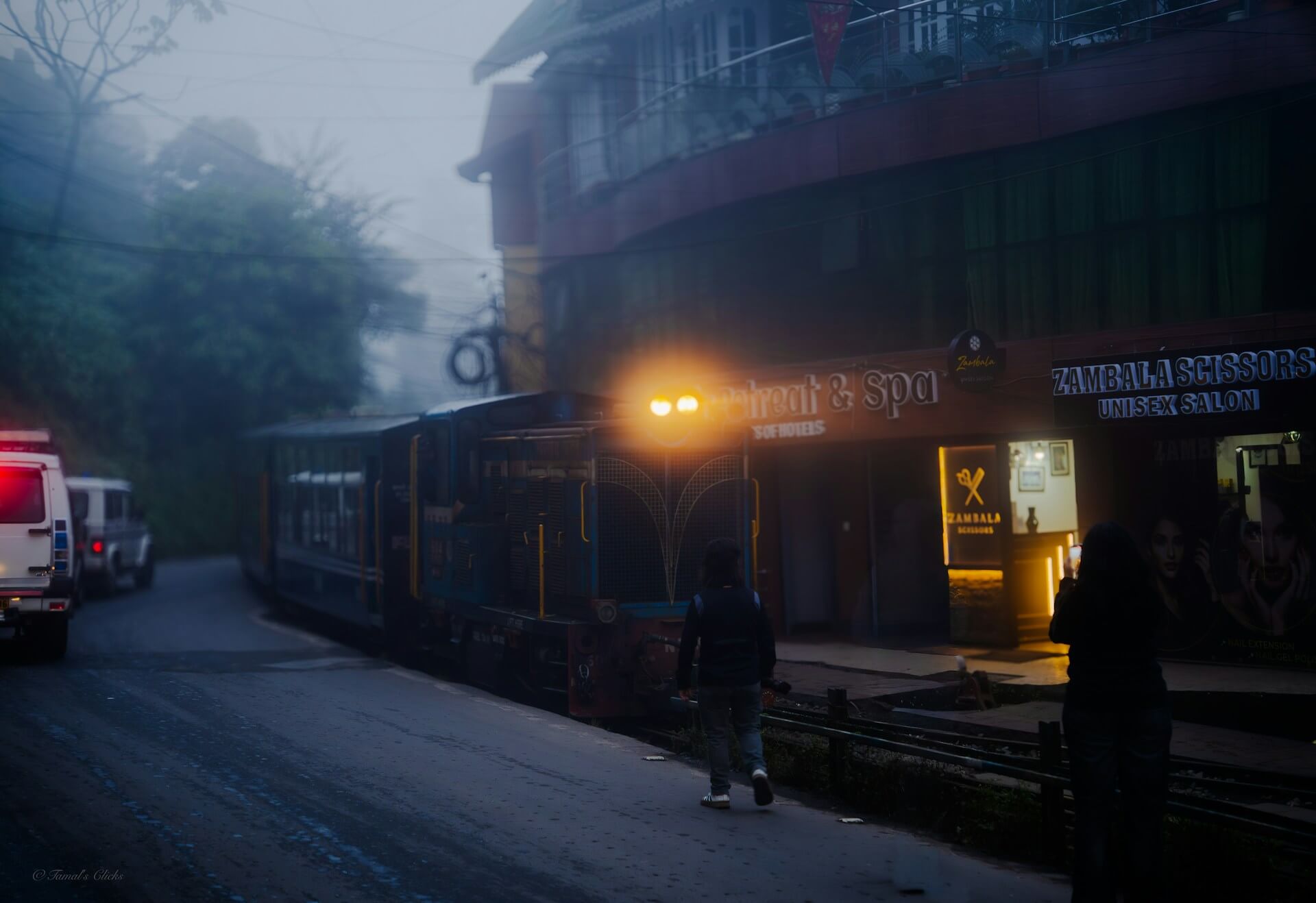
The Darjeeling district administration describes a Darjeeling return joyride via Batasia Loop and Ghoom. That is not the same purchase as a through journey associated with the wider railway. Read the origin, destination and return arrangement on the chosen service rather than relying on the phrase “Darjeeling toy train”.
If steam is central to your interest, check the specific departure’s description. Do not infer traction from a photograph beside the booking link. Some travellers mainly want the landscape and railway experience; others care about the locomotive. Both are reasonable interests, but they require different checks before payment.
Stay close enough to reach the correct station comfortably. Leave room for breakfast, reporting and the journey back to your next activity. If you are transferring into Darjeeling that morning, allow for the actual road or rail arrival rather than joining a fixed excursion immediately after an uncertain connection.
For photography, travel as a passenger and follow station and staff instructions. A good heritage trip gives you time to notice the railway’s relationship with the town and landscape. It does not depend on rushing between trackside locations or treating an operating railway as an unrestricted photo set.
2. Nilgiri Mountain Railway: start at Mettupalayam, not Coimbatore
The Nilgiri Mountain Railway route connects Mettupalayam, Coonoor and Udagamandalam, commonly called Ooty. Coimbatore can be part of the approach to the region, but it is not a substitute name for the heritage railway’s Mettupalayam starting point. Southern Railway’s official system map distinguishes the line and its endpoints.
Choose whether you want the longer mountain ascent or a shorter experience on an upper section. Those choices may involve different departure points, connections and accommodation locations. A ticket between Coonoor and Ooty does not cover the lower Mettupalayam approach. Read the actual stations printed on the ticket.
Southern Railway’s Nilgiri railway engineering information explains the rack-and-pinion working associated with the lower section. This helps explain why the full journey is a different experience from an upper-section ride. Confirm the current departure and traction separately; engineering history is not a guarantee about your individual train.
For an early departure from Mettupalayam, choose an arrival plan that gives you a comfortable margin. Do not rely on a distant hotel transfer whose timing has not been agreed. For a shorter ride, consider where you will go after getting off: a one-way ticket still leaves an onward or return journey to arrange.
Pack for the ride and the destination, with essential belongings accessible. A scenic train becomes much less relaxing when you spend the journey calculating how to retrieve luggage or reach accommodation after arrival. Trodly’s Nilgiri Mountain Railway destination page provides a starting point for exploring the experience alongside other regional plans.
3. Kalka–Shimla Railway: protect the gateway connection
Treat Kalka as a real connection point rather than a word attached to a Shimla holiday package. Himachal Tourism’s official arrival guide identifies Kalka as the broad-gauge gateway for the Shimla rail approach. Getting to the gateway and taking the mountain train are separate stages in your itinerary.
Check each ticket’s arrival and departure stations, date and status. If you are reaching the region through another city, add the onward journey to Kalka explicitly. A nearby city on a travel map is not an automatic same-station connection. Allow for collecting bags and finding the correct boarding point before the mountain service.
Choose the train experience that fits your interests and available day. A fuller ride may be the main attraction; a shorter segment may suit a traveller already staying in the hills. Neither should be described as the other. Confirm any premium, tourist or regular-service product by its actual details rather than assuming every named train offers the same seating and inclusions.
At Shimla, arrange the station-to-stay journey with the accommodation. Ask about the final walking section and luggage, especially when the hotel sits on a pedestrian route or a slope. The main railway ticket does not resolve the last part of the arrival.
Keep the rest of the arrival day light. Once the train is the principal activity, there is no need to fill the same afternoon with a distant sightseeing circuit. A calm first evening makes it easier to appreciate the hill town and leaves the following day available for a more considered outing.
4. Matheran Light Railway: full line and shuttle are different rides
For a Mumbai-based traveller, Matheran offers an accessible way to build a short trip around a heritage railway. The first decision is which service is operating for your date. The historical Neral–Matheran line and a shorter Aman Lodge–Matheran shuttle should not be conflated in an itinerary or booking advertisement.
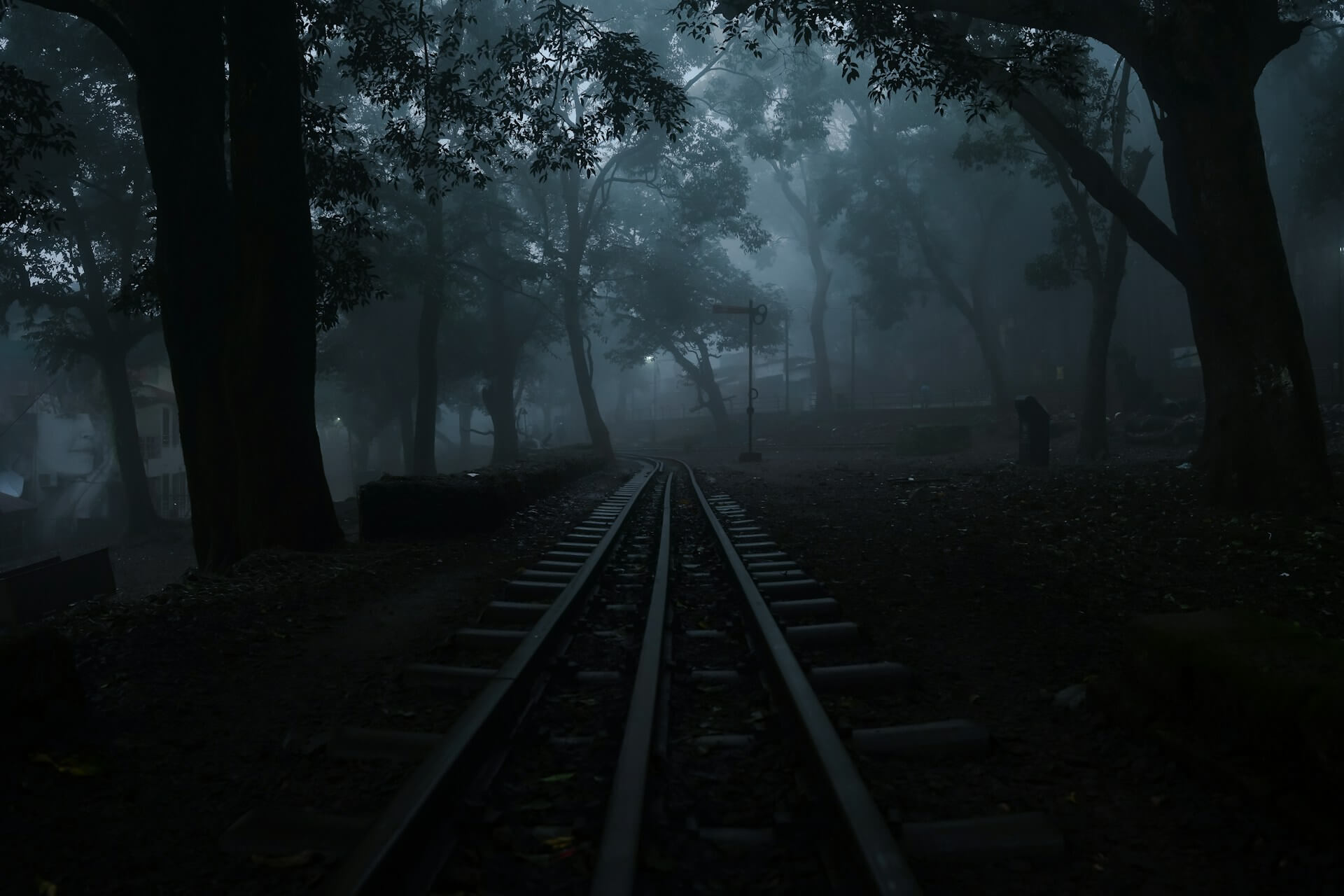
The official Matheran visitor guide explains the Neral approach and the Dasturi access point. If your chosen train starts at Aman Lodge, plan how to reach that boarding point. If you specifically want the longer Neral train experience, verify that service before making it the centre of the weekend.
Ask your stay about the route from your actual arrival point. Matheran’s access arrangements make bags, walking surfaces and the final approach important. A light overnight bag is often easier to manage than a large suitcase, but the right choice depends on your party and the confirmed arrival arrangements.
Use the train as part of a slower destination visit. Leave room for a modest walking loop, a meal and time at the stay. An ambitious list of viewpoints can add pressure to a short trip, especially when the return depends on more than one connection.
When describing this railway, distinguish its heritage appeal from its UNESCO position. Its place in the proposed extension is useful context, but tentative status is not inscription. That small wording difference makes a travel guide more reliable for readers who want an accurate heritage reference.
5. Kangra Valley Railway: verify the operating section first
The Kangra Valley Railway is a different kind of mountain-region journey from a short tourist joyride. Northern Railway’s heritage directory identifies the Pathankot–Joginder Nagar railway. Use those endpoints as the route reference, then check what is currently operating before selecting stations or accommodation.
Do not assume a full through journey is available simply because a map shows a continuous line. Choose a confirmed section that fits your itinerary and understand how you will continue after getting off. This is especially important if the railway ride is part of a visit to another hill destination that needs a road transfer.
Decide whether you want the rail journey for its own sake or as useful transport. For the first, identify a manageable ride and arrange an uncomplicated return or onward trip. For the second, compare the complete connection with alternatives, including waiting and station transfers. Scenic value and transport convenience are different considerations.
Keep plans flexible until the service check is complete. Reserving a distant stay first can create pressure to force an unsuitable railway segment into the trip. Establish the operating stations, practical connection and last mile, then choose accommodation that supports them.
As with Matheran, the UNESCO proposed-extension entry should be described accurately. It establishes a nomination-related context, not an inscribed component or a daily operating promise. Clear distinctions make this guide useful to heritage writers as well as travellers.
A railway booking checklist you can reuse
| Check | Write down | Why it matters |
|---|---|---|
| Experience | Through journey, return excursion or short section | Prevents a short joyride being mistaken for the full route |
| Stations | Exact origin, destination and connection points | Town names and railway gateways may differ |
| Operating date | Service and section confirmed for your date | A heritage line can have operational changes |
| Ticket status | Confirmed booking and the actual conditions | A listed service is not a secured reservation |
| Traction or product | Steam/diesel description and class, if material to you | Promotional photos do not specify every departure |
| Arrival margin | Journey to the boarding station and reporting time | Keeps an uncertain connection from controlling the whole trip |
| Onward journey | Station-to-stay or return transport | A one-way ride needs an onward plan |
| Comfort | Boarding, seating, luggage and toilet arrangements | Check the actual service rather than generic accessibility claims |
Search for the relevant bookable service on IRCTC where applicable, and follow the railway’s current instructions for products not shown in the same way. Save the exact ticket and service details offline. Keep each connection visible in the itinerary rather than using a single vague “toy train transfer” line.
For a photographer or railway enthusiast, prioritise the ride’s character, time at stations and the desired locomotive description. For a family, prioritise manageable boarding, waiting time and the plan after arrival. For a general sightseeing trip, a shorter confirmed segment may be more useful than a longer journey that consumes the available stay.
Avoid building a short connection on an exact-minute arrival prediction. Give the railway room to be the experience, with the rest of the day arranged around it. Check current notices near departure and understand what happens to accommodation or onward bookings if the service changes.
Heritage railway FAQs
How many Indian mountain railways are inscribed by UNESCO?
Three railway components make up the inscribed Mountain Railways of India property: Darjeeling Himalayan Railway, Nilgiri Mountain Railway and Kalka–Shimla Railway. Consult the property record for the current official description.
Are Matheran and Kangra Valley UNESCO World Heritage railways?
They appear in a proposed extension on UNESCO’s Tentative List. That differs from inscription. They can be described as heritage railways with tentative-list status, without presenting them as inscribed components of the Mountain Railways property.
Is a Darjeeling joyride the full railway journey?
No. The district’s described joyride is a return excursion from Darjeeling via Batasia Loop and Ghoom. A longer journey on the wider railway is a separate itinerary and needs its own service and booking check.
Does the Nilgiri Mountain Railway start at Coimbatore?
The mountain railway route starts at Mettupalayam and continues through Coonoor to Udagamandalam/Ooty. Coimbatore may be a regional arrival gateway, but the journey from there to Mettupalayam is a separate stage.
Are all Indian toy trains steam-hauled?
Do not assume so. Check the traction described for the particular service if steam is important to your trip. A historical railway description or a steam-locomotive photograph does not establish the locomotive assigned to every departure.
Can I ride all five on one short holiday?
They are geographically dispersed and require separate regional connections. Choose one railway around the region you are visiting. A trip covering several needs a wider itinerary with travel and rest days between them.
For a broader scenic-travel shortlist, read Trodly’s scenic train journeys in India. That guide helps choose landscapes and regions; this reference helps check heritage status and choose the actual railway experience.
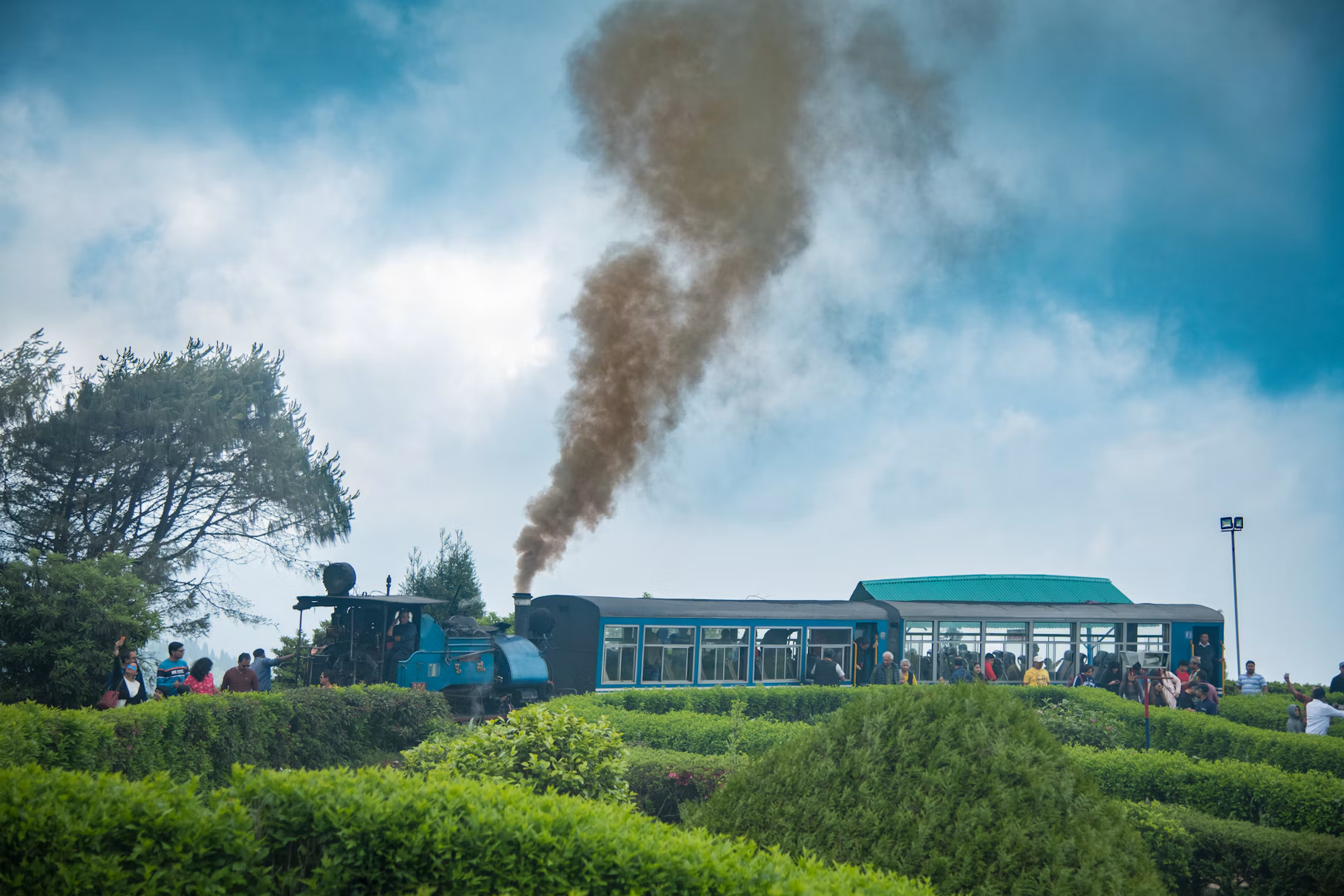
Featured photo: Darjeeling Himalayan Railway steam train beside green hedges. vineet singh / Unsplash.
More from Trodly
Remembering Gandhi
Today is Gandhi Jayanti, the happy birthday of Mohandas Karamchand Gandhi or Mahatama Gandhi, fondly called Bapu, one of the most courageous…
20 Best Road Trips in India That You Must Take Once
Tired of the city? Sick of the pollution? Troubled by the noise? Well, all we have to say is – GET OUTSIDE!…
The Complete Guide To Auroville, Pondicherry
A 150 KM drive from Chennai on the scenic East Coast Road leads to the French flavored union territory, Pondicherry or Puducherry…