
National Park vs Wildlife Sanctuary vs Tiger Reserve: India’s Nature Labels Explained
Compare national parks, sanctuaries, tiger reserves, biosphere reserves, Ramsar sites and UNESCO status. Understand overlapping labels and plan your visit…
In this guide
- India’s nature designations: a comparison table
- National park and wildlife sanctuary: different legal categories
- Tiger reserve: core, buffer and a wider conservation purpose
- Biosphere reserve: a landscape that includes people and conservation
- Ramsar site: recognition of a wetland’s international importance
- UNESCO World Heritage: recognition attached to an exact property
- Conservation reserves and community reserves: useful additional terms
- Why you cannot simply add all the designations together
- Turn a conservation label into a workable visit
- A source-note template for students and travel writers
- India protected-area designation FAQs
A national park and a wildlife sanctuary are distinct protected-area categories under Indian wildlife law. A tiger reserve is a tiger-conservation designation with core and buffer areas. These labels can overlap. Biosphere reserve, Ramsar site and UNESCO World Heritage status describe other conservation frameworks or recognition; none alone tells you which visitor experience is available or how to book it.
The names on a nature destination’s page answer different questions. Some concern statutory protection, some the management of a wider landscape, and some international recognition. Reading them correctly helps you choose a visit, interpret what you see and describe the place accurately. This guide uses official references checked on 10 October 2026 and focuses on the distinctions useful to travellers, students and nature writers.
India’s nature designations: a comparison table
| Label | What it describes | What it does not establish | Check before visiting |
|---|---|---|---|
| National park | A statutory protected-area category | That every part is open to sightseeing | Permitted entry points, routes and activities |
| Wildlife sanctuary | A separate statutory protected-area category | A promise of closer wildlife encounters | Visitor arrangements for that particular sanctuary |
| Tiger reserve | Tiger-conservation landscape with core and buffer | A guaranteed tiger sighting | Exact tourism zone, gate and booking category |
| Biosphere reserve | Conservation and sustainable-development landscape framework | One visitor gate or a single safari product | The actual protected area or community programme you will visit |
| Ramsar site | Wetland of International Importance | That it is automatically a national park or offers boating | Local access rules and available interpretation |
| UNESCO World Heritage property | Internationally recognised outstanding heritage value | That a tour or attraction is open every day | Exact listed property and current visitor arrangements |
| Conservation reserve | An additional statutory protected-area category | A standard nationwide visitor programme | Relevant authority and locally permitted activities |
| Community reserve | A statutory category involving community or individual land conservation | Unrestricted access to community land | Local management and visit permissions |
Use the table as a reading aid, not as a ranking of destinations. Its legal categories refer to the Wild Life (Protection) Act, 1972. The Wildlife Institute of India’s protected-area information provides an official starting point for national-park and sanctuary references. Tourism permissions must be checked with the authority responsible for the individual place.
National park and wildlife sanctuary: different legal categories
Both categories protect wildlife and habitat under the Wild Life (Protection) Act. They are not interchangeable names. National-park provisions apply stricter restrictions to certain land uses and rights than sanctuary provisions; the exact legal position requires the Act and relevant notifications. For visitors, both need a check of permitted access and activities.
Do not read “sanctuary” as a synonym for a place where animals are tame, enclosed or easy to approach. The name does not promise a particular animal encounter. It also does not mean the destination offers the same visitor facilities as another sanctuary you have visited.
Similarly, “national park” does not tell you the format of the outing. A visitor may be looking for wildlife watching, birding, a guided walk or interpretation, but availability depends on the individual site. Start with the permitted experience rather than assuming a uniform national-park product.
If comparing two destinations, ask what you will actually do in each. A well-interpreted visit that matches your interests may be more rewarding than selecting a place solely because its designation sounds more prestigious. Protection category, ecological value and the practical visitor experience are related questions, but none substitutes for the others.
For a nature writer, preserve the exact name used by the authority. Do not upgrade a sanctuary to a national park simply because a tourism page uses the words loosely. Accurate terminology gives readers a better starting point for further research and for finding the right visitor information.
Tiger reserve: core, buffer and a wider conservation purpose
The National Tiger Conservation Authority’s FAQ explains the core/critical tiger habitat and surrounding buffer strategy. The buffer supports connectivity and wildlife movement; it is part of the conservation landscape. Tourism is restricted to permitted areas. A tiger reserve can include land already designated as a national park or sanctuary, with the reserve’s wider arrangements applying across the landscape.

For trip planning, find the exact gate and visitor zone. A broad reserve name is not a pickup location. Two programmes mentioning the same reserve may approach different areas, use different routes or begin far apart. Check where the proposed experience takes place before choosing accommodation.
Core and buffer labels do not guarantee a sighting or establish which programme you will enjoy most. Ask about the permitted route, habitat, interpretation and the time spent travelling to it. If your interests include birds, plants and landscape as well as a big cat, discuss those interests with the provider.
Do not treat a lodge’s proximity to a reserve as proof of confirmed visitor access. Ask which services are included and which are separate. A lodge can provide a comfortable nature-oriented stay while the forest outing requires its own arrangements. The reserve designation and the room booking are different pieces of information.
When writing about a trip, describe the area actually visited. “A safari in a permitted buffer tourism zone” can be clearer than a vague claim to have explored the whole reserve. It helps readers understand the experience without implying access beyond the route used.
Biosphere reserve: a landscape that includes people and conservation
UNESCO’s Man and the Biosphere explanation describes conservation, sustainable development and research or education functions. Its zonation includes protected core areas, buffers for compatible activities and transition areas where communities live and work. UNESCO’s World Network of Biosphere Reserves is a distinct programme from World Heritage inscription.
In a travel itinerary, a biosphere-reserve name may refer to a much wider landscape than the site you will enter. Identify the actual location: a protected-area visit, a village-based programme, an interpretation centre or another permitted activity. Ask what the programme covers rather than expecting one gate to represent the entire landscape.
When reading a list, check which programme it refers to. A national biosphere-reserve list and UNESCO’s network should be identified explicitly, rather than treated as an undifferentiated set of “UNESCO places”. The useful habit is to record the designation and its source together.
For travellers, this wider perspective can make a visit more interesting. Ask how local people, land use and the surrounding landscape relate to the place being interpreted. Choose a programme that explains the setting, and respect the access arrangements of the community or authority hosting it.
Avoid treating the phrase as a safari guarantee. It can provide valuable conservation context while saying little about the bookable activity. The destination’s visitor page still needs to explain where you go, who guides you and what permissions apply.
Ramsar site: recognition of a wetland’s international importance
A Ramsar site is a Wetland of International Importance under the Convention on Wetlands. The Convention’s designation explanation sets out that recognition, while its wise-use guidance addresses conservation and sustainable use. Ramsar designation does not automatically create a national park; the Convention’s site-designation handbook explicitly distinguishes it from protected-area status.
For a birding or wetland visit, establish the local access arrangements. International recognition does not tell you whether there is a public boardwalk, a boat service, a visitor centre or a guided programme. Check what is offered by the site manager and what is appropriate for the actual season.
Look up the exact wetland name rather than assuming that every nearby lake or waterside attraction falls within the designated site. The Ramsar List and site-information links are useful reference points. For a visit, compare that information with the authority’s current access page.
Choose interpretation over a checklist of promised species. Bird numbers and visible wildlife can vary with conditions and season. Ask what the guide will help you understand about the wetland, even if a hoped-for species is absent. A designation describes significance, not a guaranteed list of sightings on your day.
For a school or family outing, check viewing conditions, toilets, shade, walking distance and the format of the programme. A wetland’s importance is a strong reason to learn about it; practical facilities still need their own assessment.
UNESCO World Heritage: recognition attached to an exact property
World Heritage status is attached to the listed property, with a defined official record. Consult that record rather than extending the label to every attraction in the surrounding region. A place can have outstanding heritage value while its visitor access is managed locally.
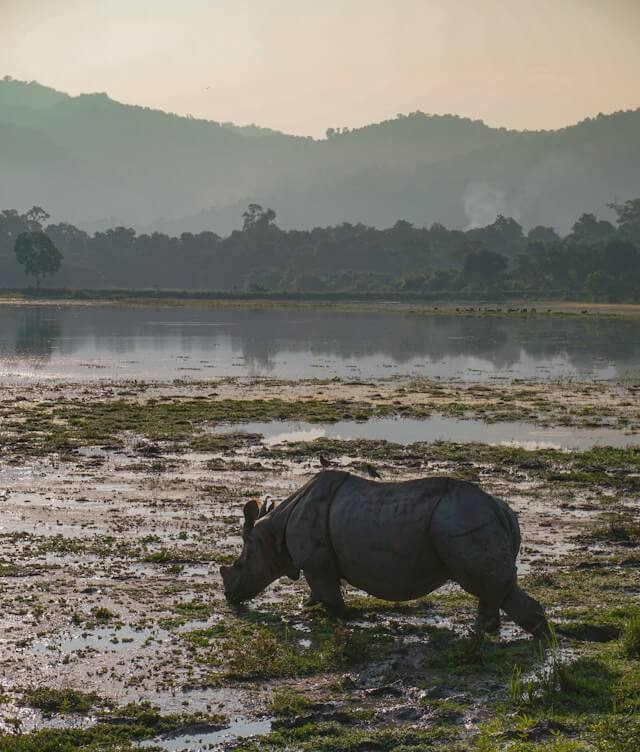
Kaziranga illustrates how designations can overlap. UNESCO’s Kaziranga National Park property record describes the World Heritage property and also notes tiger-reserve status. Those labels concern different purposes; they are not competing descriptions from which a traveller must pick one.
The practical inference is straightforward: check the boundary and visitor information relevant to your intended activity. Do not assume that the national park, tiger-reserve landscape and World Heritage property have identical extents merely because the name Kaziranga appears in each description.
For Indian destination ideas, Trodly’s UNESCO natural World Heritage guide introduces the places and their appeal. Use this explanation to interpret the labels, then follow the individual authority for current visits. Recognition is valuable context; the local visitor arrangement determines what you can do.
Conservation reserves and community reserves: useful additional terms
The Act also provides for conservation reserves and community reserves. These extend the protected-area vocabulary beyond national parks and sanctuaries. Conservation-reserve provisions address government-owned land; community-reserve provisions concern voluntary conservation on eligible community or private land. Read the relevant notification to understand the particular site.
Do not assume that a lesser-known designation implies less interesting nature or a standard level of tourism infrastructure. Find out who manages the visit, whether visitors are invited and which activities are appropriate. A quiet locally managed programme may offer valuable interpretation without resembling a large safari destination.
For a community-hosted outing, respect the host’s arrangements for timing, group size, photography and local conduct. Access to a landscape is not permission to enter every home, field or gathering place within it. Ask what the programme includes and follow the agreed route.
If writing about the destination, record the actual designation and management source. This is more useful than simplifying every protected or conserved area into “national park”. Accurate language helps readers find the right authority and gives credit to the form of conservation taking place.
Why you cannot simply add all the designations together
A single place can appear in more than one conservation list. That is why adding national parks, tiger reserves, Ramsar sites and World Heritage properties does not produce a count of distinct destinations. Some labels overlap spatially; others refer to a broader or differently bounded area.
Think of the names as answers to different questions. What statutory protected-area category applies? What wider landscape management is involved? What international designation or recognition exists? What exact visitor zone is open? A reliable description can answer several of these without pretending they are one hierarchy.
For a travel map, use a clear unit: the actual visitor destination, a defined property or a particular entrance. For an educational comparison, label each designation separately. For an itinerary, list the experience and reporting point. This avoids turning a conservation reference into misleading transport or booking advice.
The same approach improves recommendations. Select a place for its habitats, interpretation, permitted activities and fit with your journey. Then explain its designations as context. Choosing solely by the number of labels attached to it can overlook a better-matched, less prominently marketed outing.
Turn a conservation label into a workable visit
| Question | What to record | Where to verify |
|---|---|---|
| What is the exact site name? | Designation and the place actually visited | Authority’s site page and official designation record |
| Which activity is permitted? | Vehicle safari, guided walk, birding, interpretation or other activity | Current visitor information |
| Where do we report? | Gate, visitor centre, jetty or meeting point | Actual confirmation or programme instructions |
| What access is confirmed? | Date, session, route and inclusions | Permit or provider confirmation |
| What practical arrangements matter? | Transfer, walking, boarding, toilets and required documents | Site manager and programme provider |
| What can change? | Conditions, closures and communication arrangements | Current authority or operator notices |
Before paying for accommodation, match the reporting point with the stay. A broad landscape name can conceal a long transfer between the room and the permitted outing. Ask for the route to the exact gate or meeting place, then arrange the return as well.
Ask for an honest description of the experience. “Nature visit” should be unpacked into what you do, where you go and who interprets it. “Safari” also needs a specific setting and format. The name should help you understand the programme rather than supply a vague promise of wildlife encounters.
Keep the itinerary compatible with the place’s rules. If an activity is unavailable or restricted, choose a permitted alternative. A conservation designation gives a reason to respect the management arrangements, not to request special access outside them.
For destination research alongside this checklist, explore our Corbett National Park guide, Ranthambore National Park guide and Gir National Park guide. Use these pages for trip ideas and nearby attractions; return to the relevant authority for current designations, visitor rules and booking arrangements.
A source-note template for students and travel writers
For a reliable destination note, record six items: exact name; designation; authority; official record URL; date checked; and visitor-information URL. Add a sentence explaining the actual visit, such as “guided birding from the permitted visitor area”. Keep the designation and the experience in separate fields so neither is mistaken for the other.
This small habit is useful when updating a travel guide or preparing a school handout. Readers can follow the conservation source for the label and the site manager for practical access. If the information changes, the note shows which part needs updating without requiring the whole description to be rewritten.
India protected-area designation FAQs
Are a national park and a wildlife sanctuary the same?
No. They are distinct statutory categories under Indian wildlife law. Use the exact designation recorded by the authority. Both require a site-specific check of permitted visitor access and activities.
Is every national park a tiger reserve?
No. Tiger-reserve designation serves a particular conservation purpose and can overlap other categories. Check the NTCA and relevant authority’s records for the individual place rather than inferring tiger-reserve status from “national park”.
Does a buffer zone mean there is no wildlife?
No. NTCA’s explanation describes the buffer’s role in connectivity and wildlife movement. For a trip, assess the permitted route and interpretation; a core or buffer label does not guarantee a particular sighting.
Is a UNESCO biosphere reserve the same as a World Heritage site?
No. UNESCO’s Man and the Biosphere network and World Heritage programme are distinct. A place may have more than one designation, but each should be checked and described separately.
Is every Ramsar site a national park?
No. Ramsar recognition concerns a wetland’s international importance. Protected-area status is a separate matter. Check the exact site’s records and local visitor arrangements.
Which designation is best for a wildlife holiday?
Choose the permitted experience that fits your interests, travel time and group. Guiding, habitat, access and practical arrangements matter more to that decision than treating designations as a tourism ranking.
To start choosing a trip, explore Trodly’s South India wildlife destinations or available weekend outings. Use the reference table to understand the labels, and the visitor checklist to establish the actual programme before booking.
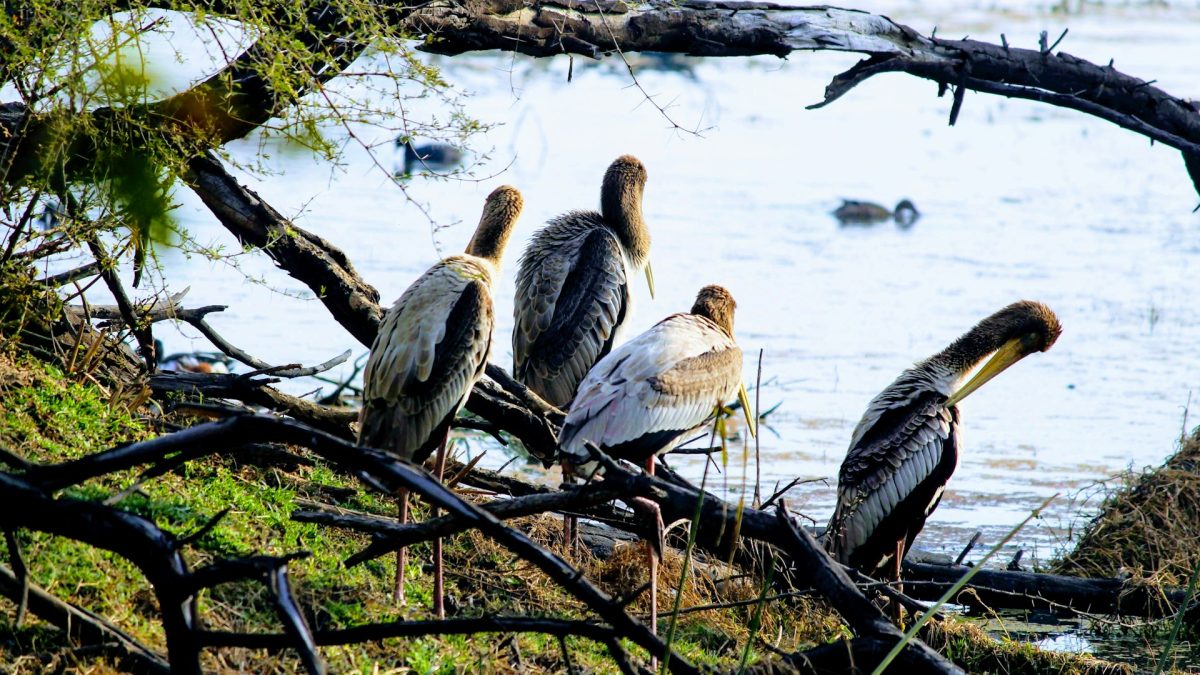
Featured photo: Waterbirds beside a wetland at Keoladeo National Park in Bharatpur. Ajay Kumar Jana / Unsplash.
More from Trodly
10 Most Scenic Indian Train Journeys
I read in my literature class once "My heart is warm with the friends I make, and better friends I'll not be…

12 Festivals in India You Won’t Want To Miss
Festivals define this land of diversities and the word 'diversity' enters the gamut of festivals as well. We Indians define unity in…

Preparing for a Perfect Road Trip in India
Road trips are fun, spontaneous and exciting, no matter you embark on one, it’s always good to prepare well before you start…