
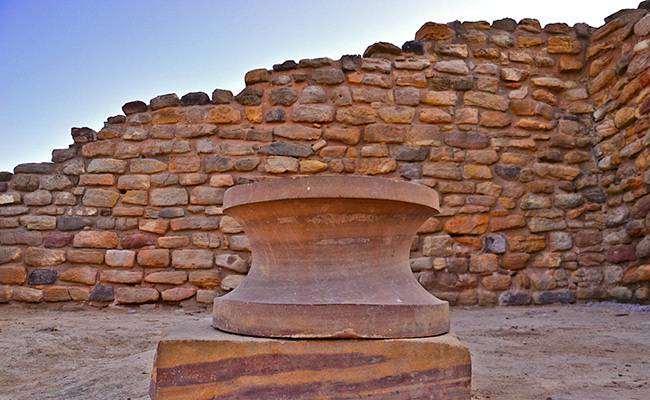
Lost Cities of India: 10 Historic Places to Explore
Ten historic places to explore, with corrected archaeological claims, UNESCO references and practical regional planning alongside Varsha’s original theme…
In this guide
India’s “lost cities” include Harappan sites such as Dholavira and Lothal, the ruined capital of Hampi, former port landscapes such as Poompuhar and Muziris, and historic temple or fort centres. Choose a regional route: these ten places are spread across several states and do not make one short circuit.
Words by Varsha. Religious traditions, proposed archaeological identifications and established heritage records are distinguished below.
Accustomed to the hustle and bustle of city life, we sometimes forget to pause and explore. Popular destinations grab our attention, leaving other worthwhile places overlooked. That happens in travel as much as in any other part of life.
Some of these places may offer a deeply enriching experience if we give them time. If the thought excites you, there is an explorer’s spark in you. Take a break, get outside and explore these historic places—from excavated Harappan settlements to temple centres, former ports and fort towns. “Lost cities” is a travel theme here; not every place below is abandoned or literally forgotten.
1) Dholavira, Gujarat
source: flickr.com/photos/unlistedsightings/6835512964
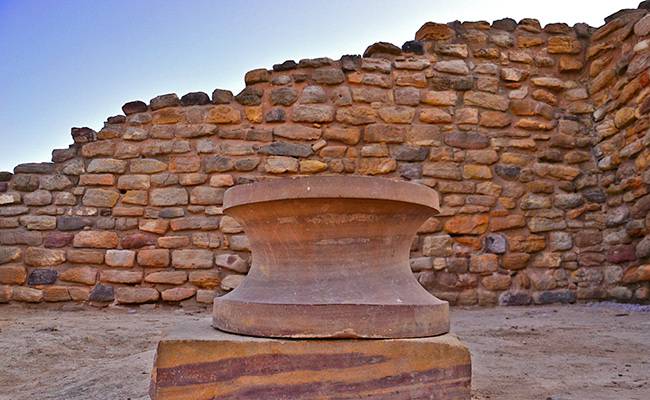
Taking us back into the pages of our history books, Dholavira recalls the ancient Harappan civilisation. Its stone-built remains, planned spaces and sophisticated water-management system make it fascinating for anyone who loves history, archaeology and architecture. UNESCO’s Dholavira record describes the fortified city on Khadir in Gujarat and its 2021 World Heritage inscription. The surviving reservoirs and layout are compelling without needing to call them the world’s oldest system.
‘Old is Gold’, so is Dholavira a prized possession, that has stood the test of time and has proved to be a noble one, in our history and for our country.
2) Hampi, Karnataka
source: flickr.com/photos/iamroehan/15260063774
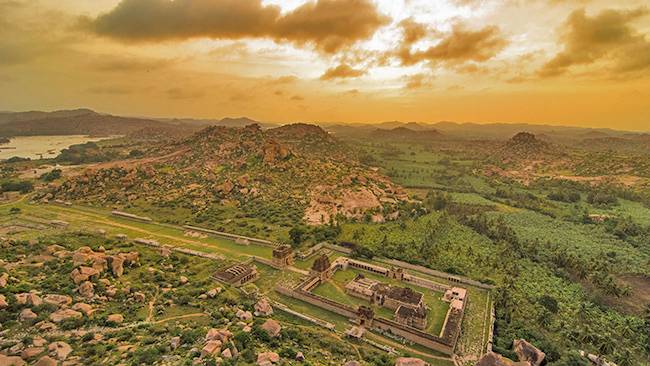
Hampi is a UNESCO World Heritage destination, but its appeal goes beyond that label. Historians, pilgrims, photographers and nature lovers can all find something here. Temple architecture, the boulder landscape and the Tungabhadra setting combine to make it a memorable place. Dates for Hampi Utsav vary by edition; do not book on the assumption that it always takes place in January. Use our Hampi travel guide to choose the places most meaningful to you.
Walk through the permitted ruins, spend time by the river and explore local crafts where available. Coracle rides and lake activities need current operating and access checks; they are not guaranteed parts of every Hampi visit. Architecture, culture and nature combine to make Hampi a great destination for a slower trip. Our three-day Hampi itinerary can help you group the sights sensibly.
https://www.trodly.com/activity-354-hampi-bicycle-tour
3) Lothal, Gujarat
Source: flickr.com/photos/emmanueldyan/5933618973
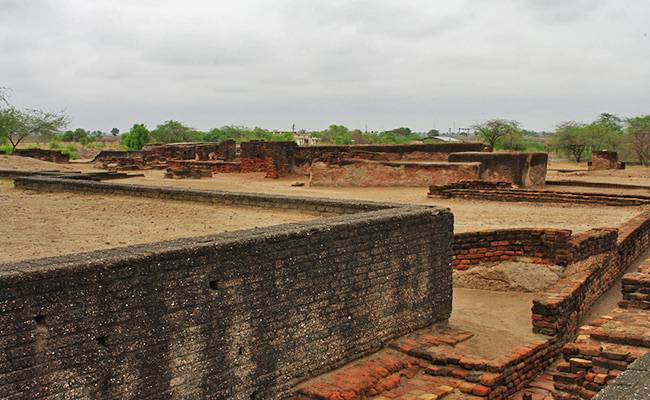
Modern planned cities are not India’s only examples of urban design: Harappan Lothal also had a carefully organised settlement. Its surviving layout, drainage, workshops and basin commonly interpreted as a dock are the attraction. Gujarat Tourism’s Lothal guide provides background. Avoid treating “world’s first” claims as necessary to appreciate its maritime and archaeological significance. Check the excavation site’s current visitor arrangements and the museum’s operating status separately before setting out.
‘Mound of the dead ‘is what its very name signifies. There aren’t any holy temples, majestic forts or palaces instead this land of ruins- speaks up its own story to every tourist who values its worth by being here.
4) Kalibangan, Rajasthan
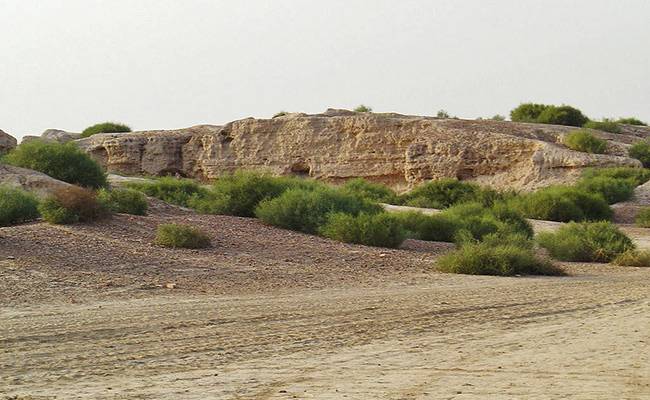
Kalibangan, in Rajasthan’s Hanumangarh region, is an important Harappan site associated with evidence of a ploughed field, settlement planning, pottery and ritual features often described as fire altars. The remains offer a chance to understand an ancient settlement, rather than simply tick off a superlative. Confirm the site and museum arrangements separately, and leave time for interpretation: low archaeological remains can be difficult to read without a plan or guide.
The story is clearer when the objects, settlement phases and regional context are explained together. Explore the site with respect for its barriers and fragile remains; the interest lies in what can be learned from them.
5) Surkotada, Gujarat
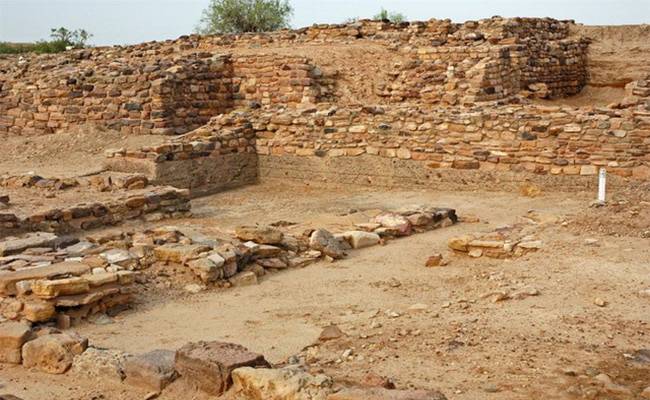
Surkotada belongs to the Harappan landscape of Kutch. It is a smaller and less developed visitor stop than some of the better-known sites in this list. Its settlement remains help explain the regional Harappan landscape, though archaeological interpretations can remain open to debate. Visit for the settlement remains and regional context, after checking access and local guidance.
In the age-old ruins are traces of the planning, craft and daily life of the people who lived here. Much can be learned from the archaeological record, but not every interpretation is settled. Arrange the return journey and essential supplies in advance rather than assuming a full range of visitor facilities on site.
6) Dwarka, Gujarat
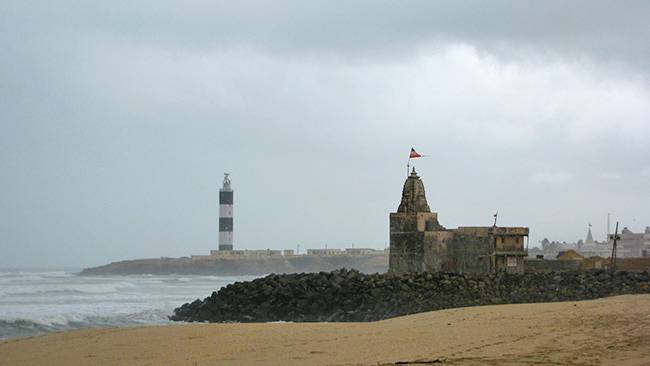
Stories of Krishna give Dwarka a special place in many travellers’ imaginations. Dwarkadhish Temple, Bet Dwarka and the surrounding coast offer a living pilgrimage landscape, not an abandoned city. Keep religious traditions about ancient Dwarka distinct from claims about underwater archaeological discoveries. Somnath is a separate destination and needs its own travel allowance; it should not be described as a local Dwarka temple stop.
The golden city awaits your knowledge of it and tends to try and seek your presence soon.
7) Poompuhar, Tamil Nadu
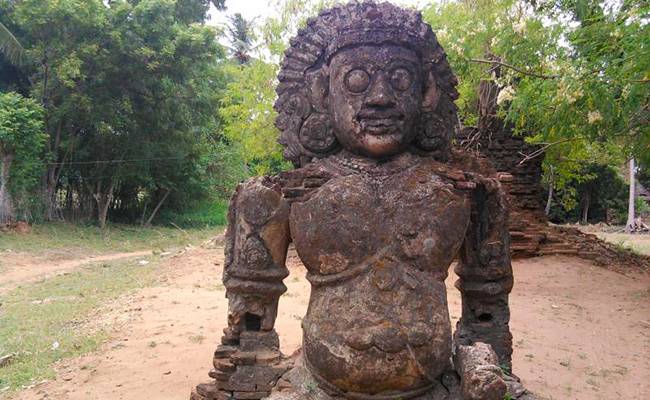
The ancient port of Puhar, or Kaveripoompattinam, is remembered in Tamil literature and archaeological research. Its Chola connections, coastal setting and surviving finds make Poompuhar interesting for travellers who enjoy maritime history. The Tamil Nadu Archaeology account describes excavations and underwater exploration. It is a place to learn about a port landscape, rather than expect to see an intact sunken city on an ordinary shore visit.
Located near the mouth of the Kaveri, Poompuhar has a complex history of coastal change. The exact chronology and causes of its submergence are not settled by one simple “storm in 500 AD” explanation. The Department of Archaeology’s underwater research overview provides a more useful introduction. Check the marine archaeology museum’s opening arrangements before planning your day around it.
8) Muziris, Kerala
source: forbesindia
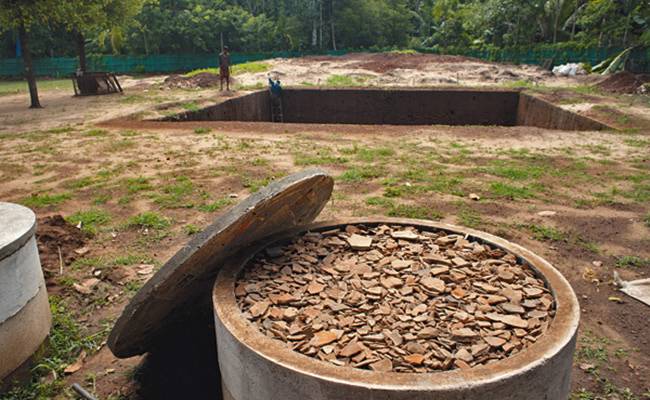
Tracing the history of Muziris opens a window onto Kerala’s early maritime connections. The present heritage landscape around Kodungallur and North Paravur includes Pattanam, museums, religious buildings and later trading remains. Pattanam has been proposed as a location associated with ancient Muziris, but the identification should not be presented as universally settled. Kerala Tourism’s Pattanam account explains the finds and the proposed connection.
The wider Muziris region reflects encounters between communities, ideas and trading networks. Temples, mosques, churches, synagogues and museums tell different parts of that story. Use the official Muziris Heritage Project overview to select the stops that interest you. Do not assume one entrance ticket, opening day or short walk covers the whole heritage area.
9) Pattadakal, Karnataka
source: flickr.com/photos/ashwinkumar/20169973556
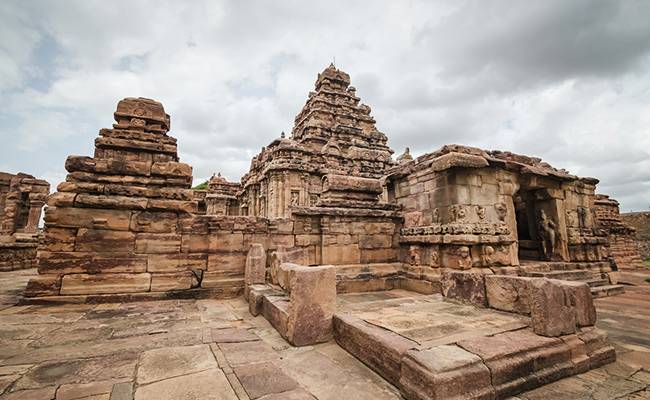
Pattadakal is known for Chalukyan temple architecture that brings together forms associated with northern and southern India. The UNESCO record for Pattadakal identifies nine Hindu temples and a Jain sanctuary, dating principally to the seventh and eighth centuries. Look closely at the carvings and differences between the buildings; the range of forms is part of the pleasure of being here.
This Chalukyan centre of excellence endows people with an opportunity to experience our Ancient India.
10) Bassein, Maharashtra
source: flickr.com/photos/gargi/213362690
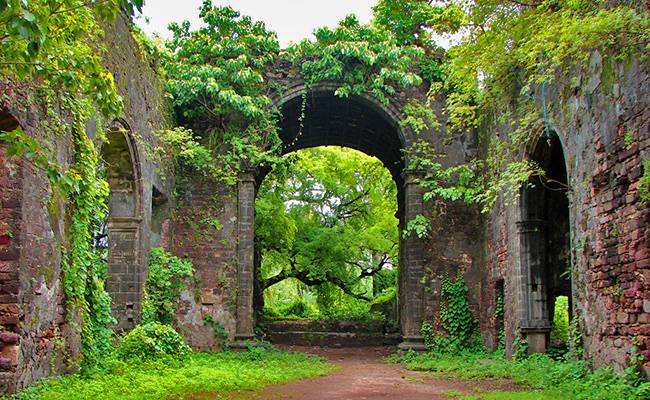
Historically known as Bassein, Vasai is especially interesting for its fort landscape and the surviving traces of Portuguese, Maratha and British periods. It was not a place whose history began with Portuguese rule. Ruined churches, walls and the coastal setting make it an appealing heritage excursion. Use Palghar district’s historic-places information for local context, and follow barriers around fragile structures rather than climbing walls for photographs.
There is much to appreciate in these historic landscapes. Take time to travel beyond familiar names, read the stories behind the remains and value what survives. A smaller number of places explored carefully can be more rewarding than a long list rushed through in a single journey.
–
Varsha Varsha is final year Literature student who aspires to be a journalist. She enjoys reading, blogging, travelling, doing research papers. She spends most of her free time writing book reviews, creative articles and write ups on current issues.
This post was originally published on Trodly Travel Blog.
Featured image by Chris Bird
How to plan a lost-cities heritage trip
- Gujarat: plan Lothal as an Ahmedabad-region excursion; Dholavira and Surkotada need their own Kutch itinerary. Dwarka is another substantial travel stage.
- Karnataka: Hampi and the Badami–Aihole–Pattadakal area reward separate time, even if combined in a longer state itinerary.
- Tamil Nadu and Kerala: Poompuhar and the Muziris region are different coastal histories and separate journeys.
- Rajasthan and Maharashtra: Kalibangan and Vasai work better within their own regional plans.
Check the Archaeological Survey of India visitor resources and the relevant local museum notice for opening days, entry fees and photography rules. An archaeological site and its museum can have different closures. Carry water for open sites, allow shade breaks, and stay off fragile remains. For more regional ideas, see our offbeat Gujarat guide and offbeat Tamil Nadu guide.
Questions about India’s lost cities
Are all these places abandoned?
No. Some are excavated ancient settlements; others are living towns or heritage regions with older remains. The theme should not be read as one archaeological category.
Can I visit submerged Dwarka or Poompuhar as ordinary sightseeing?
A visit to the modern town or museum is different from an underwater archaeological expedition. Do not assume underwater access or a complete ancient city is part of a standard visit.
Which places suit a first heritage trip?
Choose by your base and interest. Hampi and Pattadakal offer visible monuments, while Harappan sites often need more interpretation to understand the low remains and layout.
Last updated: . Heritage status, archaeological claims, geographical groupings and visitor-planning advice reviewed. Original photographs, credits and Varsha’s contributor attribution preserved.
More from Trodly
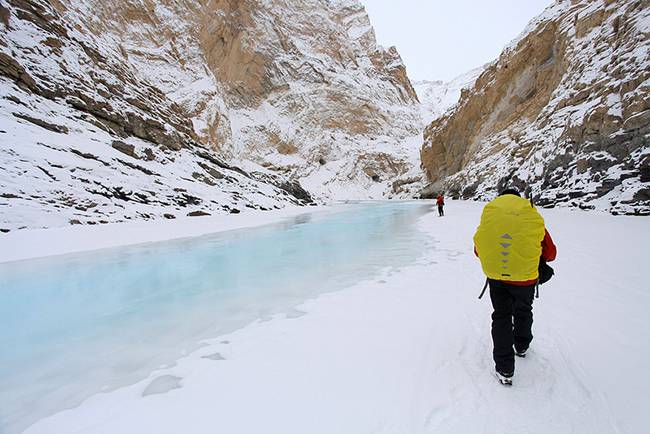
12 Adventures in India and Where to Try Them – Part 1
Part one of twelve Indian adventure ideas: trekking, rafting, road touring, diving, skiing and paragliding, with practical booking questions…
7 UNESCO Natural World Heritage Sites in India: Visitor Guide
India’s seven natural-category UNESCO properties, with clear distinctions, regional planning, visitor access and official booking resources…

10 Must Visit Places in Sri Lanka
The ancient humans of Palaeolithic age are in for a shock if they re-visit their former home, the stunning Island country of…