
11 Things to Keep in Mind While Travelling in India
Eleven practical India travel tips, updated with realistic regional advice, museum entry rules, transport checks and official visitor resources…
In this guide
- 1) Pack for the Region and Season
- 2) Start Early
- 3) Plan Toilet and Rest Stops
- 4) Know When to Bargain
- 5) Watch What You Eat and Drink
- 6) Respect Local and Site-Specific Customs
- 7) Check Entry Fees and ID Requirements
- 8) Beware of Scams
- 9) Plan Your Drive Carefully
- 10) Check Your Taxi and Fare
- 11) Always Be Aware Of Your Surroundings
- Before departure: documents and useful contacts
- India travel planning questions
For a smoother trip in India, plan by region and season, check official tickets and transport, respect site-specific customs, and leave time for travel and rest. These eleven practical tips cover the decisions that make the biggest difference on the road.
India is a place like no other: a country with the variety of a continent. Its landscapes, languages, food and customs change from region to region. That variety is part of the pleasure of travelling here, but it pays to know a few practical dos and don’ts before you depart.
1) Pack for the Region and Season
source: flickr.com/photos/stevephillips/238560751
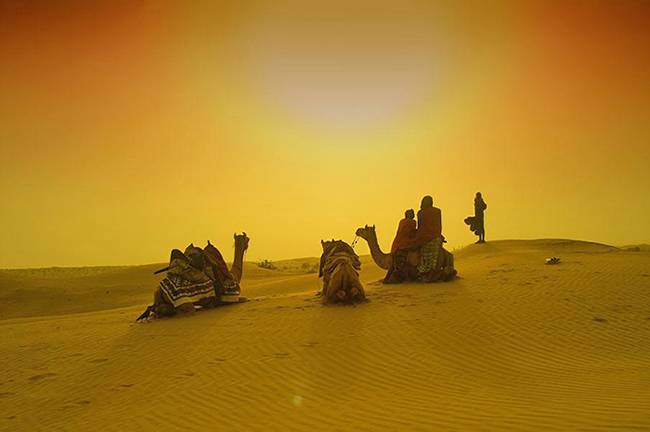
India’s climate varies widely. The northern plains can be very hot in summer, while Himalayan routes can be cold or snowbound and coastal regions can be humid. Check the forecast for each stop rather than packing for one “Indian climate”. In hot weather, plan shade breaks, carry safe drinking water and wear light, comfortable clothing. Use India Meteorological Department forecasts and warnings to check heat, rain or storm conditions.
2) Start Early
source: flickr.com/photos/meghdutgorai/8028578095
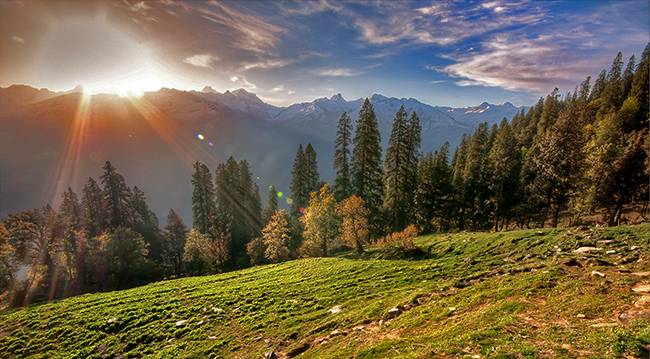
If you want a quieter start, set off early where opening hours allow. You may avoid some traffic and midday heat, but an early arrival is not useful if the attraction is still closed. Check the day’s opening time, reserve a timed ticket where required and leave a buffer for the journey. A little planning often buys more breathing space than trying to rush through a crowded visit.
3) Plan Toilet and Rest Stops
source: flickr.com/photos/simontaylor/223705944
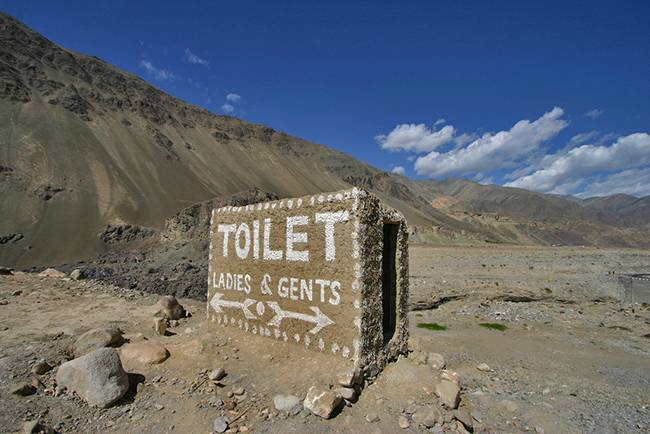
Toilet facilities vary between cities, stations, roadside stops and remote attractions. Carry tissues, hand sanitiser and a little cash, and plan breaks at suitable facilities rather than relying on one café chain. A hotel, restaurant or station toilet can be useful, but cleanliness and access are not guaranteed by the brand or location. Ask about accessible toilets before a long drive if someone in your group needs them.
4) Know When to Bargain
source: flickr.com/photos/ericparker/6878174919
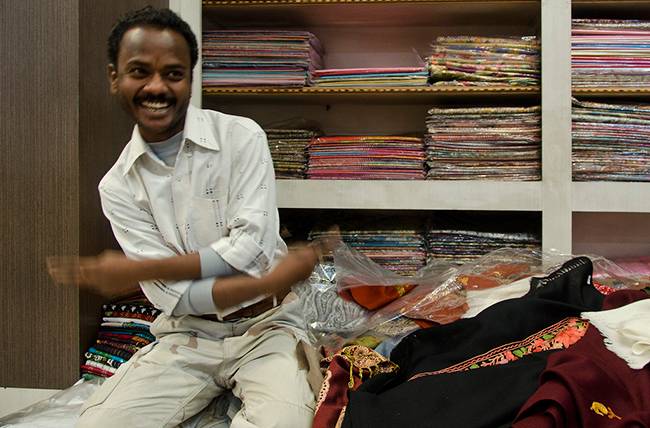
Bargaining is common in some markets and for some informal services, but fixed-price shops, regulated tickets and app fares are not invitations to haggle. Agree on the total price and what it includes before a purchase or a ride. For a taxi, clarify parking, tolls, waiting and any return charge. A polite comparison of prices is more useful than assuming every seller is overcharging.
5) Watch What You Eat and Drink
source: flickr.com/photos/74821492@N00/11468224145
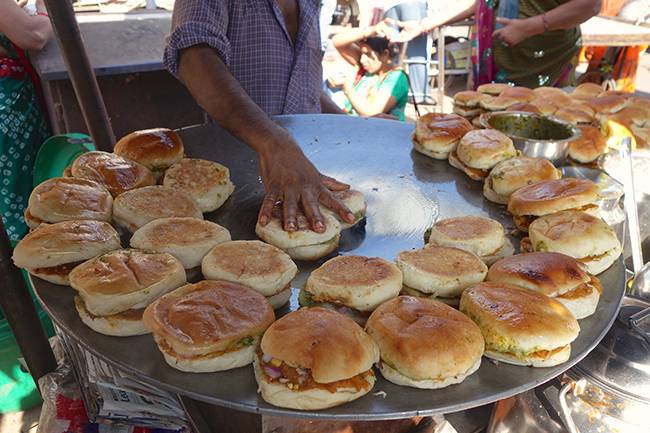
India’s food is wonderfully varied, and trying local dishes is part of the trip. Choose safe drinking water and food handled and cooked hygienically. A busy stall or expensive restaurant is not a guarantee on its own. The WHO food-safety guidance emphasises clean handling, thorough cooking, suitable storage and safe water. If you have dietary restrictions, explain them clearly rather than assuming a dish’s name tells you every ingredient.
6) Respect Local and Site-Specific Customs

source: flickr.com/photos/govmilliken/3116688091
Dress for the place you are visiting and the weather. Customs vary between a beach town, a city restaurant and an active shrine, and site-specific dress rules can apply to all visitors. Religious places may require covered shoulders or knees, removal of footwear or a head covering. At a Sikh gurdwara, cover your head and follow the instructions at the entrance. Ask before photographing a ceremony or worshippers.
7) Check Entry Fees and ID Requirements
source: flickr.com/photos/tzejen/4397567553
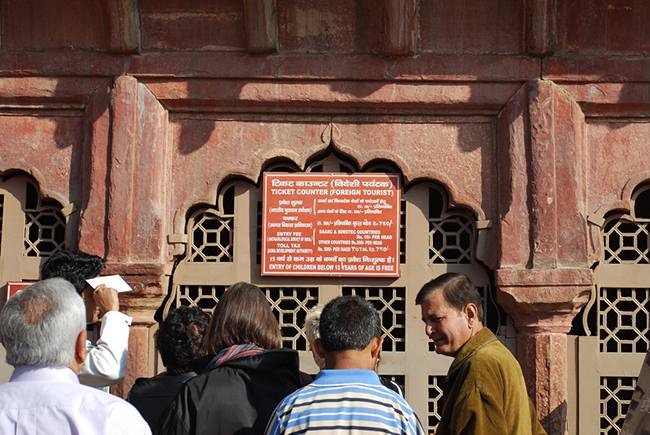
Many attractions have different entry categories for Indian nationals, foreign visitors, children or eligible students. Carry the ID required by the particular site; student concessions are not universal and can have age or school-level limits. For example, the National Museum’s official visitor page currently lists ₹20 for adults, ₹500 for foreign nationals and free entry for students through Class 12 with ID. Check the official tariff and closure day before travelling.
8) Beware of Scams
source: flickr.com/photos/95976276@N00/103995641
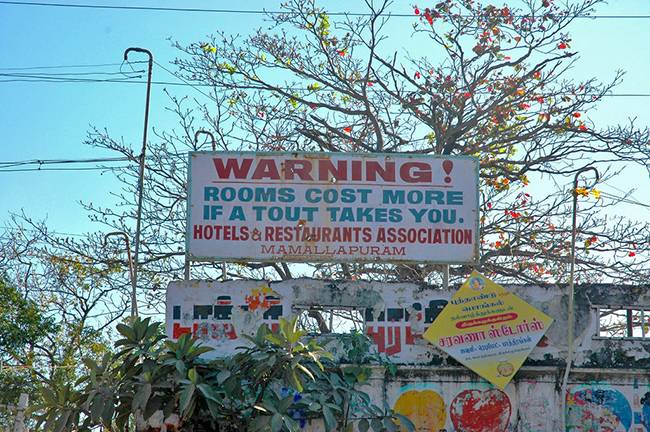
As anywhere, be cautious when someone pressures you to change a booking, visit a particular shop or pay an unofficial “entry” charge. Check a claim that your hotel or attraction is closed with the place itself. Use the booking provider’s official contact details and ask for a receipt. A calm, firm “no, thank you” is enough when you do not want a service. Keep payment details and one-time passcodes private.
9) Plan Your Drive Carefully

source: flickr.com/photos/vhbelvadi/9004746979
If you are driving, choose an itinerary that suits your experience with local traffic and road conditions. Avoid tight schedules that encourage speeding or driving when tired. Expect pedestrians, animals and unexpected turns even on major roads, and check mountain-road or weather closures before setting off. Use seat belts and suitable child restraints where needed. You are not obliged to take an unfamiliar passenger; make transport decisions you are comfortable with.
10) Check Your Taxi and Fare
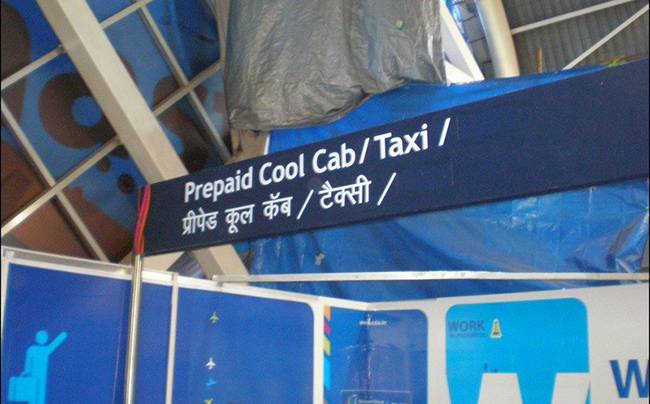
source: flickr.com/photos/s_w_ellis/3941487055
Official prepaid counters and established ride-booking services can make the fare and vehicle details easier to check, where available. They do not provide an absolute safety guarantee. Match the vehicle and driver to your booking, keep the receipt or trip record, and agree on any extra charges before leaving. Avoid paying an unfamiliar person who claims to represent a counter without verifying that claim. Availability differs between stations, airports and smaller towns.
11) Always Be Aware Of Your Surroundings
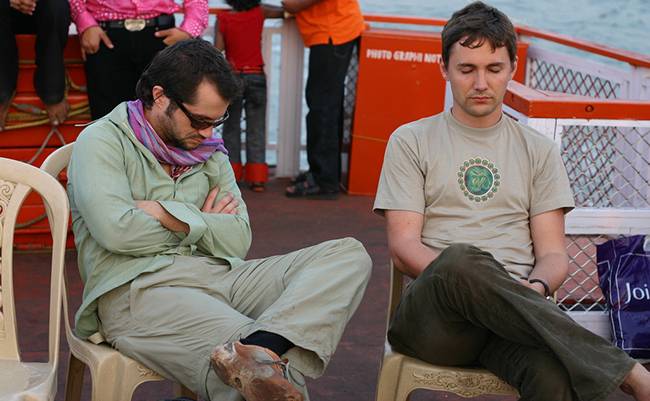
source: flickr.com/photos/jan_k/82454755
Keep track of your bags, phone and wallet in busy places, and leave copies of essential documents separate from the originals. Save your accommodation address and important contacts offline. Share your route with someone you trust when travelling to a remote place, and ask your stay provider about the return journey before heading out. Stay aware without letting caution take the pleasure out of the trip.
This post was published on Trodly travel blog.
Before departure: documents and useful contacts
International visitors should check entry requirements on the Government of India e-Visa portal or with the relevant Indian mission. Eligibility and permitted entry points depend on the traveller and visa; do not use a general blog as a substitute for the official conditions.
The official Incredible India emergency page lists 112 as the national emergency number and 1363 as the tourist helpline. Save the details offline with your hotel address. For rail travel, see our Indian rail booking and passenger resources; for respectful visits to sacred sites, see the planning advice in our Buddhist pilgrimage route guide.
India travel planning questions
Is there one best season for the whole country?
No. Choose by region, altitude and the activities you plan. A good month for a Rajasthan city visit may not suit a Himalayan road trip.
Does every attraction offer a student discount?
No. Eligibility and accepted ID are set by the individual attraction. Check the official fee page rather than assuming a general student rate.
Should I bargain for every purchase?
No. Bargaining suits some markets and informal services, while fixed tariffs and displayed retail prices should be respected. Agree on the full cost before accepting a service.
Last updated: . Practical travel advice, National Museum fees, official contact resources and entry-information links reviewed. Original eleven-topic structure, photographs and credits preserved.
More from Trodly
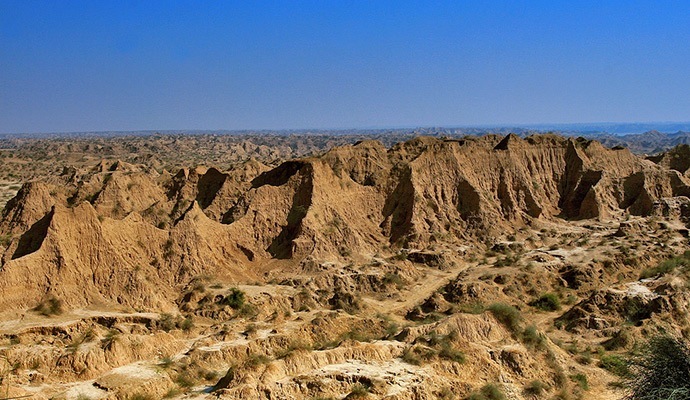
20 Breathtaking Natural Wonders of India to Explore
Twenty remarkable Indian landscapes, from Ladakh lakes to living root bridges, with clearer facts and practical access, season and activity planning…

How to Choose the Best Destinations for Your Travel Style
Choosing where to travel is one of the most exciting parts of planning a trip. The right destination can turn a simple…
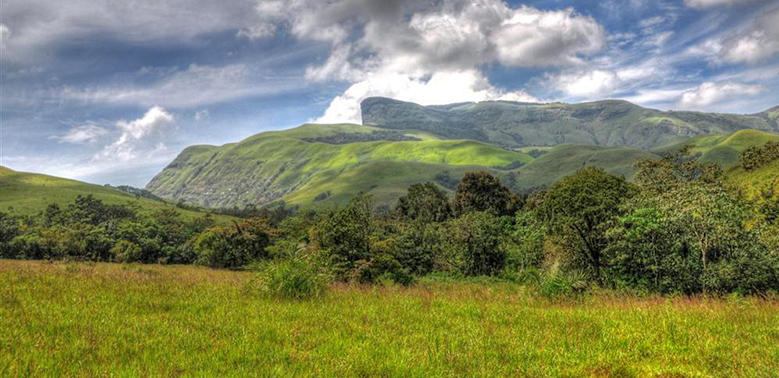
Top Wildlife Destinations in South India
Look deep into nature, and then you’ll understand everything better, said Albert Einstein. If you have visited even one National Park or…