
12 Hill Stations Near Mumbai: Distance, Seasons & Trip Tips
Compare 12 hill getaways near Mumbai with approximate road distances, the best seasons, transport advice and family tips, from Lonavala and Matheran to Mahabaleshwar and Amboli…
In this guide
- Hill stations near Mumbai: distance and trip comparison
- Which hill station should you choose?
- Karjat: a nearby foothill and resort getaway
- Khandala: valley scenery beside Lonavala
- Lonavala: a convenient first hill-station break
- Matheran: forest paths and a slower pace
- Igatpuri: mountain views and a restful weekend
- Jawhar: Warli culture and hill-country views
- Bhandardara: lakeside scenery and quiet mornings
- Lavasa: a lakeside township to check before committing
- Panchgani: a relaxed family stay in the hills
- Mahabaleshwar: viewpoints, lake visits and cool evenings
- Panhala: a hilltop heritage break near Kolhapur
- Amboli: a longer Western Ghats nature escape
- Best time to visit hill stations near Mumbai
- Transport, budget and family planning tips
- Frequently asked questions
Lonavala, Khandala and Matheran are among the most practical hill stations near Mumbai for a short break. Igatpuri, Jawhar and Bhandardara suit a slower weekend, while Panchgani and Mahabaleshwar are better with two or three days. Amboli and Panhala need a longer trip. Choose by total travel time, the season and how much walking your group enjoys—not distance alone.
This guide compares 12 hill getaways, starting with the closer options. Karjat is a foothill getaway and Lavasa is a planned lakeside township: both offer hill scenery, but neither is a traditional high-altitude hill station. They are included so you can make a useful comparison before booking.
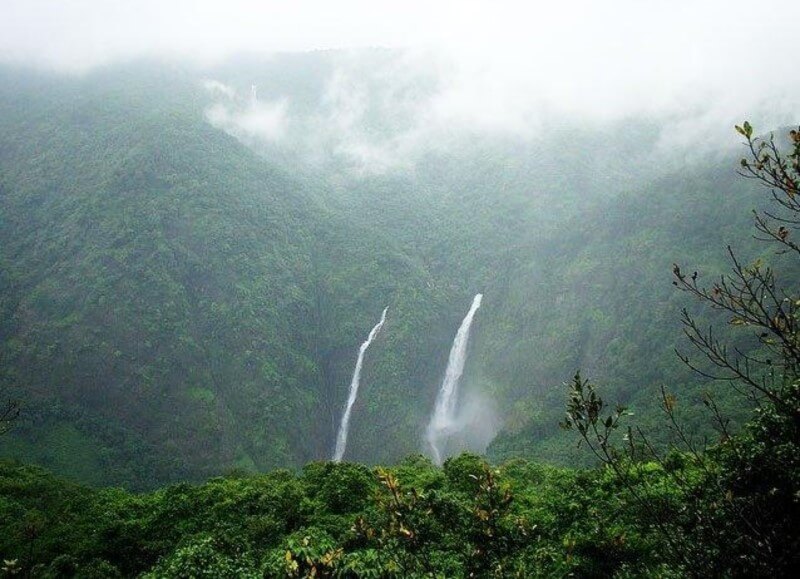
Featured photograph: Amboli’s monsoon waterfalls, a destination best suited to a longer trip from Mumbai.
Travel information reviewed in October 2026. Road distances and driving times below are broad planning estimates; your starting point in Mumbai, route, traffic and weather will change them.
Jump to: Comparison table · Choose your getaway · Karjat · Khandala · Lonavala · Matheran · Igatpuri · Jawhar · Bhandardara · Lavasa · Panchgani · Mahabaleshwar · Panhala · Amboli · Best time · FAQs
Hill stations near Mumbai: distance and trip comparison
Approximate road-planning ranges from Mumbai; driving times are one way.
| Destination | Road distance | Driving time | Allow | Best fit |
|---|---|---|---|---|
| Karjat | 65–95 km | 2–3 hours | 1–2 days | A resort break or foothill walks |
| Khandala | 80–105 km | 2–3.5 hours | 1–2 days | Valley views with Lonavala |
| Lonavala | 85–110 km | 2–3.5 hours | 1–2 days | An accessible first hill-station trip |
| Matheran | 80–110 km to Dasturi | 2.5–4 hours, plus the final transfer | 1–2 days | A largely vehicle-free walking holiday |
| Igatpuri | 120–145 km | 3–4 hours | 2 days | A mountain-view stay |
| Jawhar | 150–190 km | 4–5.5 hours | 2 days | Warli art, heritage and viewpoints |
| Bhandardara | 165–195 km | 4–5.5 hours | 2 days | Lake scenery and a quiet stay |
| Lavasa | 185–225 km | 4.5–6 hours | 2 days | Lakeside scenery, after checking access |
| Panchgani | 240–275 km | 5–7 hours | 2–3 days | A relaxed family hill-station stay |
| Mahabaleshwar | 260–295 km | 5.5–7.5 hours | 2–3 days | Viewpoints, lake visits and cool evenings |
| Panhala | 380–430 km | 7.5–9.5 hours | 3 days or more | Fort heritage with Kolhapur |
| Amboli | 480–530 km | 9–12 hours | 3 days or more | Western Ghats nature and waterfalls |
These ranges are not live navigation estimates. Check the route from your actual pickup point and add time for food, parking and the final approach to your hotel. On a rainy holiday weekend, even a nearby destination can take substantially longer to reach.
Which hill station should you choose?
- For one day: Lonavala and Khandala offer a straightforward sightseeing combination. Karjat works for a pre-booked resort visit. Matheran is possible with an early start and a compact walking plan.
- For a family weekend: Choose Lonavala for convenience, Panchgani for a slower stay, or Mahabaleshwar for more sightseeing. Matheran suits families comfortable walking on uneven paths.
- For lakes and quieter scenery: Consider Bhandardara or a well-located stay around Igatpuri. Check the distance between your accommodation and the places you want to see.
- For culture and history: Jawhar offers Warli traditions and heritage surroundings; Panhala combines fort exploration with a Kolhapur trip.
- For a longer nature escape: Allow enough time for Amboli. Its journey is too long to treat as a casual Mumbai day trip.
If your plans extend beyond hill stations, explore our weekend getaways from Mumbai. For transport and sightseeing arrangements, browse Trodly’s Mumbai tours and activities.
Karjat: a nearby foothill and resort getaway

Planning distance: 65–95 km. Suggested stay: one day or one night. Season: October–February for outdoor comfort; monsoon for green surroundings when conditions permit.
Karjat works well when you want a short journey and plenty of time at your accommodation. The appeal is countryside, river valleys and the foothills of the Sahyadris rather than the reliably cool climate of a higher hill station. A resort with a pool, meals and an easy approach road can be more useful for a family than a long attraction checklist.
Kondana Caves and nearby fort trails appeal to walkers, but reaching them may involve uneven ground and slippery sections. Ask about the approach and walking time before taking young children or older relatives. A cave visit and a difficult fort trek should not be treated as equivalent outings.
Getting there: Karjat has suburban railway connections from Mumbai. Arrange the onward transfer to your resort or trail separately; the station is not the destination for every activity.
Khandala: valley scenery beside Lonavala

Planning distance: 80–105 km. Suggested stay: one day or one night. Season: June–September for rain-fed scenery; October–February for easier sightseeing.
Khandala is a good choice for a short scenic break, especially when combined with neighbouring Lonavala. Its valley views and ghat surroundings make the journey part of the experience. Choose a small number of accessible stops rather than trying to cover every viewpoint, cave and fort in a single outing.
Monsoon mist can hide the view completely, so leave room in the plan for a meal or time at your hotel. Viewpoint access and parking can also change during heavy rain or crowded weekends. Walking to a landmark such as Duke’s Nose is a different undertaking from stopping at a roadside viewing area.
Getting there: A car is convenient for combining the two towns. If arriving by train, confirm your train’s actual stop and organise local transport. See the Lonavala and Khandala sightseeing tour from Mumbai for transport details and inclusions.
Lonavala: a convenient first hill-station break

Planning distance: 85–110 km. Suggested stay: one or two days. Season: monsoon for greenery; October–February for a more comfortable mix of outdoor activities.
Lonavala combines a manageable drive with a wide choice of accommodation and places to eat. It is a practical starting point for travellers comparing hill stations near Mumbai for the first time. The surrounding area includes valley viewpoints, historic caves and fort routes, alongside the town’s familiar chikki shops.
Pick activities that match your group. Cave visits can involve steps, fort visits require more walking, and a leisurely resort stay needs neither. For a day trip, choose two or three stops in the same area and account for queues and traffic between them. For a weekend, keep one part of the stay unscheduled.
Getting there: Road and rail are both useful options. A train reduces driving but does not remove the need for local transfers. Compare your hotel’s location and transport arrangements before deciding; our two-day Lonavala–Khandala tour is another planning option.
Matheran: forest paths and a slower pace

Planning distance: 80–110 km to Dasturi. Suggested stay: one night. Season: October–February for walking; monsoon for greenery with more slippery paths.
Matheran’s main attraction is the chance to slow down among wooded paths and viewpoints. Charlotte Lake and nearby lookout points can form a relaxed itinerary without trying to visit every named point. The Maharashtra Tourism guide explains the vehicle restrictions and the approach through Dasturi Naka.
Plan the final transfer: Your car does not take you straight to every hotel in the hill town. Check the walking distance from the drop-off point, luggage arrangements and the surface of the approach path. Uneven paths can make a stroller inconvenient, and travellers with limited mobility should confirm suitable assistance before booking.
Getting there: Travel to Neral by rail or approach Dasturi by road. The toy train is an attraction, not a guaranteed connection: the full route and shorter shuttle have different operating arrangements, and services can change seasonally. Check current railway information and keep an alternative transfer plan. A Matheran day tour is possible, but an overnight stay gives you more breathing room.
Igatpuri: mountain views and a restful weekend

Planning distance: 120–145 km. Suggested stay: two days. Season: June–September for lush scenery; October–February for walks and clearer travel conditions.
Igatpuri suits travellers who want to spend time in a mountain setting without building the whole weekend around sightseeing. A room with a good view, a short walk and an unhurried meal can be enough. The town also has railway access, making it worth comparing against road-only options.
Nearby fort and mountain routes appeal to trekkers, but a family sightseeing weekend does not need to include them. Choose accessible viewpoints and accommodation-based activities if your group prefers less walking. The Vipassana centre at Dhamma Giri is a meditation institution; do not assume a visit or course is available without checking its arrangements.
Getting there: Use the Mumbai–Nashik road corridor or a train stopping at Igatpuri, then confirm your local transfer. Explore the official Igatpuri guide and Trodly’s two-day Igatpuri sightseeing tour.
Jawhar: Warli culture and hill-country views

Planning distance: 150–190 km. Suggested stay: two days. Season: October–February for sightseeing; monsoon for greenery, subject to local access.
Jawhar offers a different kind of hill getaway: Warli artistic traditions, heritage landmarks and views over the surrounding countryside. It is worth considering if you would rather learn about a place than spend the whole trip moving between commercial attractions.
Hanuman Point, Sunset Point and the surroundings of Jai Vilas Palace are commonly associated with Jawhar. Confirm access to individual sites before planning around them, particularly palace interiors and waterfall approaches. If meeting local artists is a priority, arrange that visit in advance and buy directly where possible; workshops are not automatically available on arrival.
Getting there: A car offers flexibility for the spread-out stops. Local public transport requires more planning than the rail-connected towns closer to Mumbai. The official Jawhar guide is a useful starting point for its cultural background and attractions.
Bhandardara: lakeside scenery and quiet mornings

Planning distance: 165–195 km. Suggested stay: two days. Season: monsoon and the months after it for green scenery; cooler months for relaxed outdoor time.
Bhandardara is a good match for travellers who prefer a lake-and-mountain setting to a busy hill-town market. Arthur Lake and the Wilson Dam area are central to its appeal, while surrounding routes lead towards waterfalls, villages and trekking country. The Ahilyanagar district guide describes the lake and dam landscape.
Waterfall flow depends on rainfall and dam conditions; do not expect every waterfall to look like a monsoon photograph throughout the year. Likewise, a quiet lake stay and a Kalsubai or Ratangad trek are very different trips. Choose a manageable walk if your group is not prepared for a mountain ascent.
Getting there: Road transport is useful for reaching accommodation and exploring locally. Check the last stretch to your stay and arrange meals and transfers beforehand, especially for remote campsites. See the Bhandardara tour for the current sightseeing arrangement.
Lavasa: a lakeside township to check before committing

Planning distance: 185–225 km. Suggested stay: one night if suitable accommodation is confirmed. Season: cooler months or a suitable post-monsoon window.
Lavasa is a planned township in the hills of Pune district, known for its lakeside setting and distinctive waterfront buildings. It offers a different experience from an established hill station such as Mahabaleshwar. The journey from Mumbai is substantial, so it makes more sense to decide on a specific stay or activity first.
Check what is actually available: Confirm road access, parking or entry arrangements, operating restaurants and your hotel’s services directly before travelling. Older descriptions of a fully functioning resort city should not be treated as a current activity list. Avoid building an itinerary around boating, adventure activities or a particular venue without confirmation.
Getting there: The final approach is by road. A Lavasa outing is usually easier to organise from Pune than from Mumbai. For a first family hill-station holiday, compare it with destinations offering clearer transport and accommodation options.
Panchgani: a relaxed family stay in the hills

Planning distance: 240–275 km. Suggested stay: two or three days. Season: October–February for outdoor comfort; summer for a hill break with warm afternoons.
Panchgani is a good choice when you want more time at your accommodation and fewer hours rushing between attractions. Table Land is its best-known landmark, with open plateau scenery that feels different from the narrow paths and wooded viewpoints of some other destinations.
Combine a manageable viewpoint visit with a café stop or time at your hotel. Open spaces are not necessarily shaded, so morning or late-afternoon visits can be more comfortable. Choose a stay with easy access, reliable meals and activities that suit your children rather than relying only on a panoramic room photograph.
Getting there: Most Mumbai itineraries use road transport. Panchgani can be paired with nearby Mahabaleshwar, but there is no need to fit both towns into an exhausting day trip. A shared base for two nights lets you explore without packing up each morning.
Mahabaleshwar: viewpoints, lake visits and cool evenings

Planning distance: 260–295 km. Suggested stay: two or three days. Season: October–February for a varied sightseeing trip; monsoon for mist and greenery when access permits.
Mahabaleshwar has enough variety to justify a longer stay: valley viewpoints, Venna Lake, the old temple area and a choice of places to eat. The Satara district guide describes its lake and viewpoint attractions. Strawberry-related experiences are seasonal, so confirm farm visits instead of assuming fruit picking is available year-round.
Group stops by area rather than driving back and forth between distant viewpoints. Leave a foggy morning flexible; a market visit or meal may work better than waiting for a valley to clear. Families often benefit from a hotel near their planned route and enough time for an afternoon rest.
Getting there: The road journey from Mumbai takes a sizeable part of the day. Compare the arrangements in the Mahabaleshwar and Panchgani tour from Mumbai before deciding on transport and accommodation.
Panhala: a hilltop heritage break near Kolhapur

Planning distance: 380–430 km. Suggested stay: three days or more when combined with Kolhapur. Season: October–February for fort exploration.
Panhala is best considered as part of a heritage trip, with its hilltop setting and fort remains giving the visit a clear focus. It is a longer journey from Mumbai than the more familiar weekend hill stations, so allow time for the place rather than spending most of the trip in transit.
The Maharashtra Tourism guide to Panhala provides historical context. A local guide can help connect the scattered structures and stories; simply looking at a fort map does not tell you how much walking a full visit involves. Choose a shorter route if travelling with children or relatives who prefer frequent breaks.
Getting there: Drive from Mumbai or travel to Kolhapur and arrange onward road transport. Combining Panhala with Kolhapur gives the journey more purpose. Treat it as a long-weekend option, not a one-day escape.
Amboli: a longer Western Ghats nature escape
Planning distance: 480–530 km. Suggested stay: three days or more. Season: monsoon for waterfall scenery; cooler, drier months for easier exploration.
Amboli belongs in a longer Maharashtra itinerary rather than a list of easy Mumbai day trips. Its forested ghat setting, mist and seasonal waterfalls appeal to nature lovers, particularly during the rains. The official Amboli guide describes the surrounding landscape and attractions, including the Hiranyakeshi area.
Choose your visit around what you want to do. A waterfall-focused monsoon stay involves different road and walking conditions from a dry-season nature trip. If you are interested in wildlife or close-up photography, use a knowledgeable local guide and avoid handling animals or disturbing their habitat.
Getting there: Allow a full travel day by road from Mumbai, or consider rail or air connections nearer the destination followed by a road transfer. Check those connections against your dates before booking accommodation. Do not plan a same-day return drive from Mumbai.
Best time to visit hill stations near Mumbai
June–September: The monsoon brings green hills, mist and seasonal waterfalls. It also brings poor visibility, wet paths and possible access restrictions. Pick a hotel you would enjoy even if an outdoor plan is cancelled. Check local weather and notices before setting off; a waterfall view does not require entering fast-flowing water.
October–February: This is generally the most comfortable window for walking, viewpoints and trips with mixed-age groups. Early post-monsoon visits can combine green surroundings with more manageable conditions, although rainfall varies each year.
March–May: Higher places such as Panchgani, Mahabaleshwar and Matheran can offer a change from Mumbai’s heat, but sunny afternoons may still be warm. A low-lying foothill resort in Karjat will not necessarily have the same temperatures. Plan outdoor visits early and check whether your room has the ventilation or cooling you need.
Transport, budget and family planning tips
Train or car? Rail can be useful for Karjat, Lonavala, Neral and Igatpuri. Compare the whole journey, including the transfer from the station. A private car is convenient for spread-out sightseeing, but parking queues, ghat traffic and driving time still count. Ask whether the price covers tolls, parking, driver allowance and any distance limit.
Build the total budget: Add return transport, local transfers, accommodation, meals, entry charges and optional activities. Weekend room rates can change substantially. Check cancellation terms and what happens if rain affects the itinerary before paying for a weather-dependent activity.
For children and older travellers: Confirm the hotel’s approach road, steps, room location and meal arrangements. Keep one main outing per half-day and choose accessible stops. Ask separately about walking surfaces and washrooms; “sightseeing” does not always mean a vehicle can stop beside the attraction.
Browse Mumbai tours and activities for current arrangements, and check the individual tour page for inclusions, availability and pickup conditions.
Frequently asked questions
Which hill stations near Mumbai are practical for a one-day trip?
Lonavala and Khandala are practical choices for a compact sightseeing day. Karjat suits a resort outing. Matheran is possible with an early start, but the final transfer and walking take extra time. Choose a nearby destination and a short itinerary.
Which hill stations are within about 100 km of Mumbai?
Karjat, Khandala, Lonavala and the Matheran approach can fall around that range depending on your starting point and route. Check road distance from your exact address; a headline distance is not the same as door-to-door travel time.
Which hill station near Mumbai is best for families?
Lonavala is convenient for a short first trip. Panchgani and Mahabaleshwar suit a longer stay with varied sightseeing. Matheran appeals to families who enjoy walking. The best choice depends on ages, mobility, accommodation and time available.
Can I take my car into Matheran?
Visitor vehicles are restricted in the main hill town. Plan your arrival through Dasturi and confirm the onward transfer to your hotel. Check current local arrangements, particularly if anyone in your group needs mobility assistance.
Is the Matheran toy train available throughout the year?
Do not assume the full Neral–Matheran service operates every day or throughout the monsoon. The full route and shorter shuttle can have different seasonal arrangements. Confirm current railway services for your date and keep an alternative transfer plan.
Is monsoon a good time for a hill-station trip?
It is good for greenery and seasonal waterfalls when travel conditions permit. Heavy rain can limit views and access. For easier walking and a more predictable family itinerary, consider the cooler months after the monsoon.
How many days do I need for Panchgani and Mahabaleshwar?
Two or three days is more comfortable than a same-day return from Mumbai. Allow for the journey in both directions and avoid packing too many viewpoints into the remaining time. Two nights give you room to explore at a slower pace.
Are Amboli and Panhala suitable for day trips from Mumbai?
No: their long road journeys make a same-day return impractical for most leisure travellers. Plan a long weekend or include them in a wider Maharashtra itinerary, with time for both travel and sightseeing.
Further planning references: Maharashtra Tourism’s hill-station guide and official monsoon travel guidance. Check weather, local access and transport services for your travel dates.
More from Trodly

Top 5 Western Ghats Hill Stations to Visit Before the Crowds Find Them
People travel to the Western Ghats but mostly to explore Munnar’s tea gardens or Tamil Nadu’s Nilgiri Hills. But how many of…

20 Weekend Getaways from Mumbai: Short Breaks & Long Weekends
Choose a realistic weekend getaway from Mumbai with this comparison of 20 destinations, one-way travel estimates, suggested stays, transport tips and FAQs…

21 Best Treks around Mumbai and Pune
Summers are not meant to be spent hiding away from the blazing sun, finding excuses to remain indoors and breathing in humid…