
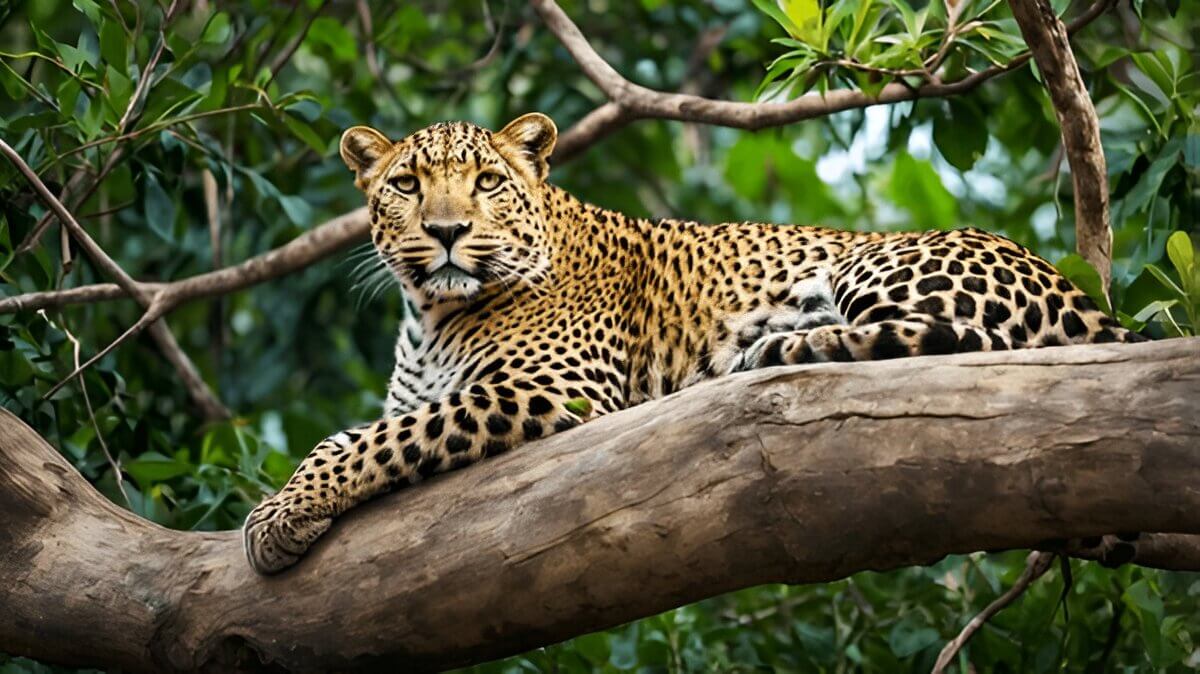
Sri Lanka’s Top 10 National Parks: Which One Should You Visit?
Compare ten Sri Lanka national parks by wildlife interest, travel base and visit style, with practical safari planning, permit advice and responsible travel tips…
In this guide
- Which Sri Lanka national park should you choose?
- 1. Yala National Park: a leopard-focused first safari
- 2. Wilpattu National Park: forest and natural lakes
- 3. Udawalawe National Park: an elephant-focused choice
- 4. Minneriya National Park: seasonal elephant gatherings
- 5. Horton Plains National Park: walking in the highlands
- 6. Bundala National Park: wetlands and birdwatching
- 7. Wasgamuwa National Park: a quieter dry-zone outing
- 8. Gal Oya National Park: reservoir scenery and boat outings
- 9. Kumana National Park: an east-coast birding choice
- 10. Maduru Oya National Park: a remote specialist choice
- Best time to visit Sri Lanka’s national parks
- Safari costs, permits and realistic routes
- Responsible wildlife viewing
- Sri Lanka national park FAQs
The best national park in Sri Lanka depends on what you want to see: choose Yala or Wilpattu for a leopard-focused safari, Udawalawe for an elephant-focused first safari, Minneriya for seasonal elephant gatherings, and Horton Plains for a walking experience in the highlands. Bundala and Kumana are strong choices for birdwatching. No park guarantees a particular animal sighting.
Sri Lanka’s national parks protect very different landscapes: dry forest, reservoir margins, coastal wetlands and mountain grasslands. Choosing a park that fits your route and interests is more useful than trying to visit the entire top-ten list. An excellent safari begins with enough time at one suitable park, a responsible driver and realistic expectations.
This guide compares ten parks, explains where to base yourself and separates jeep safaris from hiking and boat outings. Planning information reviewed in October 2026. Consult the Department of Wildlife Conservation (DWC) for current entry arrangements, closures and permits before booking transport.
Which Sri Lanka national park should you choose?
| National park | Main reason to choose it | Useful base | Visit style |
|---|---|---|---|
| Yala | Leopard-focused safari; varied dry-zone wildlife | Tissamaharama or nearby Yala accommodation | Jeep safari |
| Wilpattu | Forest and natural lakes; patient wildlife watching | Anuradhapura or accommodation near the entrance | Jeep safari |
| Udawalawe | Elephants and open reservoir-side habitat | Udawalawe | Jeep safari |
| Minneriya | Seasonal elephant gatherings | Habarana, Sigiriya or Dambulla | Jeep safari; park choice may change with movements |
| Horton Plains | Cloud forest, grassland and World’s End | Nuwara Eliya or Ohiya | Walking trail |
| Bundala | Wetland and coastal birdwatching | Tissamaharama or Hambantota area | Jeep safari |
| Wasgamuwa | A quieter dry-zone wildlife itinerary | Accommodation near the access route | Jeep safari |
| Gal Oya | Reservoir landscape and arranged boat safari | Gal Oya/Inginiyagala area | Boat or jeep outing, booked separately |
| Kumana | Birdwatching on an east-coast route | Arugam Bay or Panama | Jeep safari |
| Maduru Oya | Remote reservoir and dry-forest landscape | A locally confirmed base near the chosen entrance | Arranged jeep safari |
“Best” here describes a match to an interest, not a scientific ranking of sighting probability. Accommodation location, gate choice, weather and the driver’s approach can matter as much as the park’s name. Ask how long you will actually spend inside the park, especially when comparing a local safari with a tour that starts in Colombo.
1. Yala National Park: a leopard-focused first safari
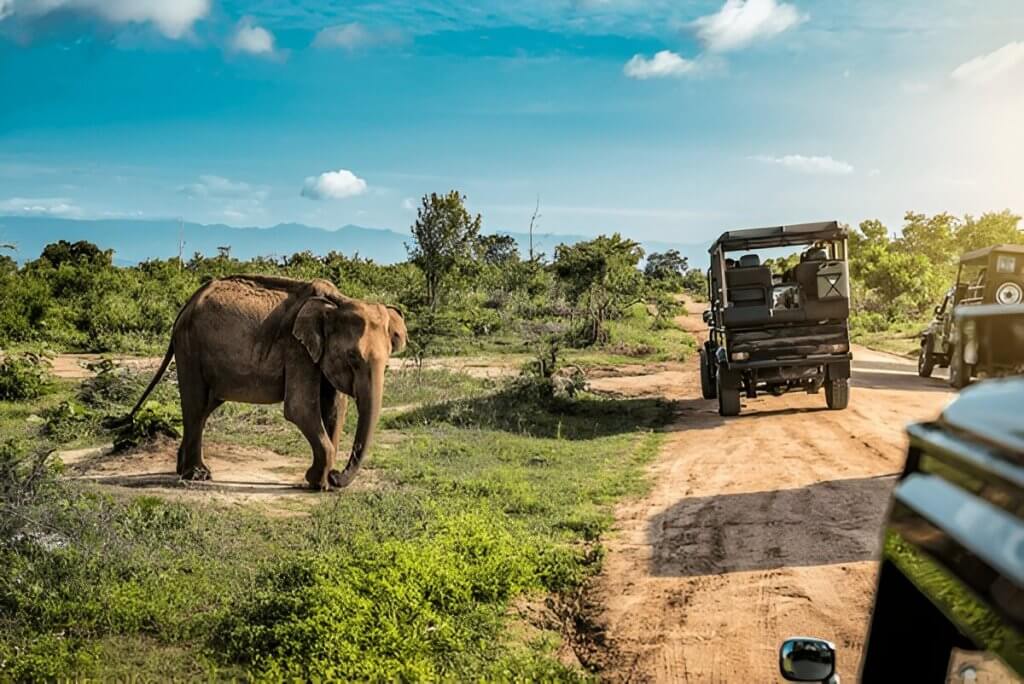
Yala is a natural choice for travellers whose main wildlife interest is the Sri Lankan leopard. Its dry forest, scrub, waterholes and coastal scenery provide a varied jeep-safari experience. Elephants, deer, crocodiles and birds can also be part of a visit. Keep the wider habitat in view rather than treating the outing as a hunt for one photograph.
Popular safari areas can be busy. A quieter drive with a driver who follows the rules is preferable to racing between sightings or surrounding an animal. Block and entrance availability can change, including seasonal closures. Confirm the specific access arrangements for your date; “Yala safari” alone does not describe the exact route or guarantee access to every block.
Stay around Tissamaharama or the relevant entrance area for an early departure without an overnight road journey. A two-day Yala trip from Colombo is worth comparing if transport is needed. Read its actual inclusions and time in the park. A distant pickup should not be mistaken for extra safari time.
2. Wilpattu National Park: forest and natural lakes
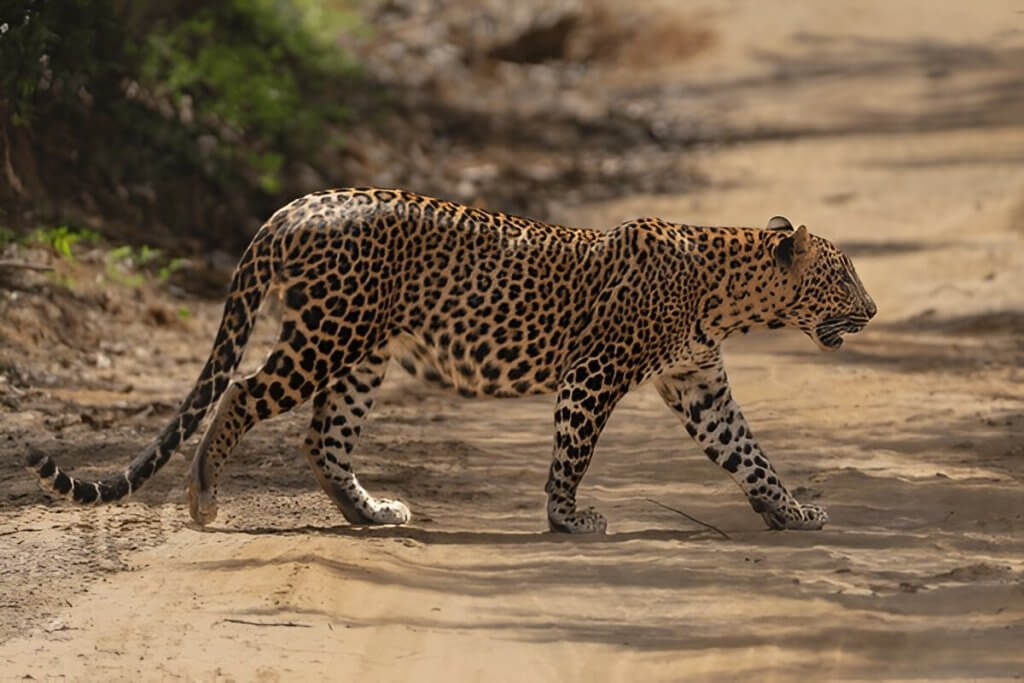
Wilpattu is known for its villu, natural lake features set within a dry-zone landscape. It suits visitors who enjoy a longer, patient search through forest and open clearings. Leopards and sloth bears are sought-after sightings, but dense vegetation can make wildlife harder to spot. Choose it for the overall safari setting, with special sightings as a possibility.
Anuradhapura is a useful cultural stop to pair with Wilpattu. Staying closer to the entrance can reduce an early transfer, while a city base may suit travellers with a broader cultural itinerary. Ask the operator which gate is being used and how that affects pickup. Allow a substantial outing rather than expecting a quick detour between archaeological sites.
Compare a Wilpattu safari from Anuradhapura if that is your base. Check whether it is private or shared, the duration, and whether admission is included. A longer visit can offer more time to observe habitats, but it still cannot promise a leopard or bear.
3. Udawalawe National Park: an elephant-focused choice
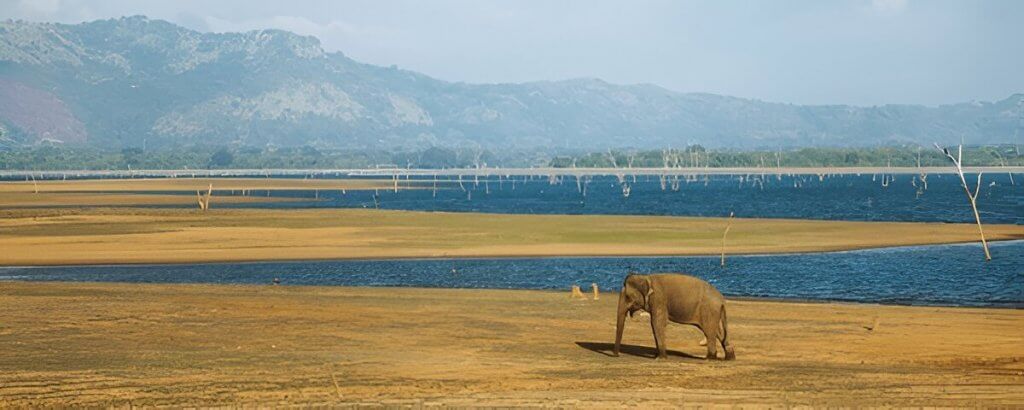
Udawalawe is a good option for an elephant-focused safari, with open areas around the reservoir that often allow useful viewing. It can suit first-time safari visitors who would enjoy birds, deer and other wildlife as well as elephants. Open habitat does not mean every animal will be visible on every drive.
Use Udawalawe as an overnight stop between the highlands and the south coast when it fits your journey. Check the drive from your actual hotel, rather than relying on an island-wide itinerary that calls every park “near Colombo”. A local half-day Udawalawe safari has a different travel commitment from a Udawalawe day tour from Colombo.
The Elephant Transit Home is a separate conservation-related visit, not an elephant-riding or petting experience. Check its current public viewing arrangements independently and keep wildlife at a respectful distance. Do not book an encounter that advertises touching, feeding or posing with elephants as a necessary part of the national-park safari.
4. Minneriya National Park: seasonal elephant gatherings
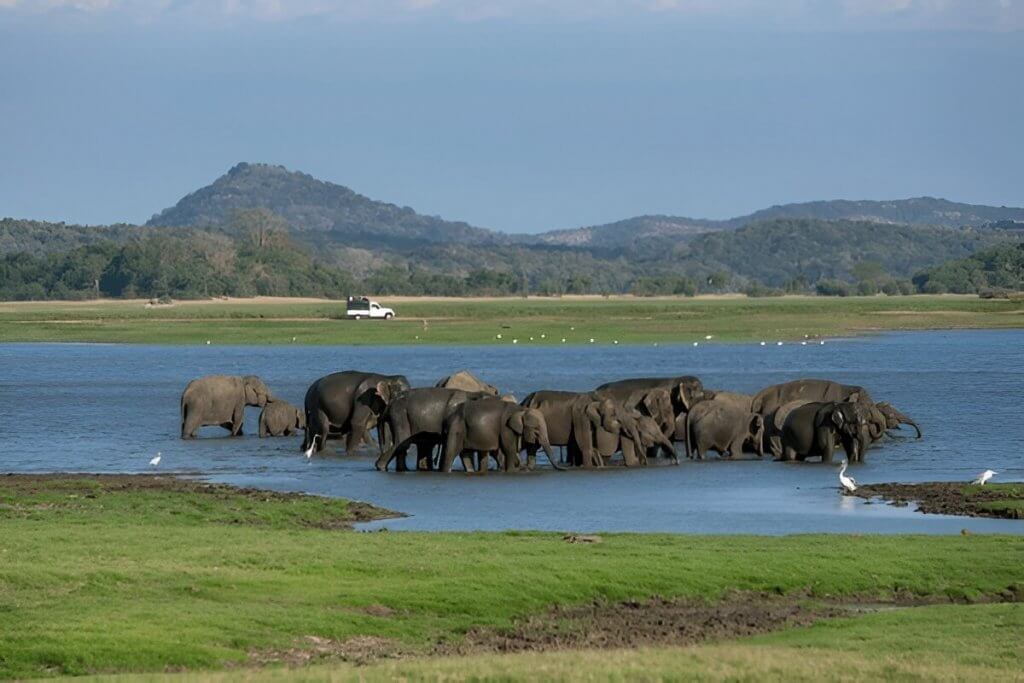
Minneriya is especially associated with elephants gathering around reservoir grasslands during the dry season. Sri Lanka Tourism describes the gathering season broadly around July to October. Water levels, rainfall and the elephants’ movements determine what happens in a particular year; a calendar month alone cannot guarantee a large gathering.
Base yourself in Habarana, Sigiriya or Dambulla and ask a responsible local operator which authorised park is most suitable on your date. Elephants may move between Minneriya, Kaudulla and the wider area. A change of park should be explained before you pay, with clear admission arrangements rather than a vague promise to find the largest herd.
This outing can fit a Cultural Triangle stay. Keep a major archaeological visit and the safari in separate comfortable time blocks, allowing for heat and transfers. A Sigiriya and Dambulla tour with a Minneriya safari is one option to compare; verify which park and services are included for the operating date.
5. Horton Plains National Park: walking in the highlands
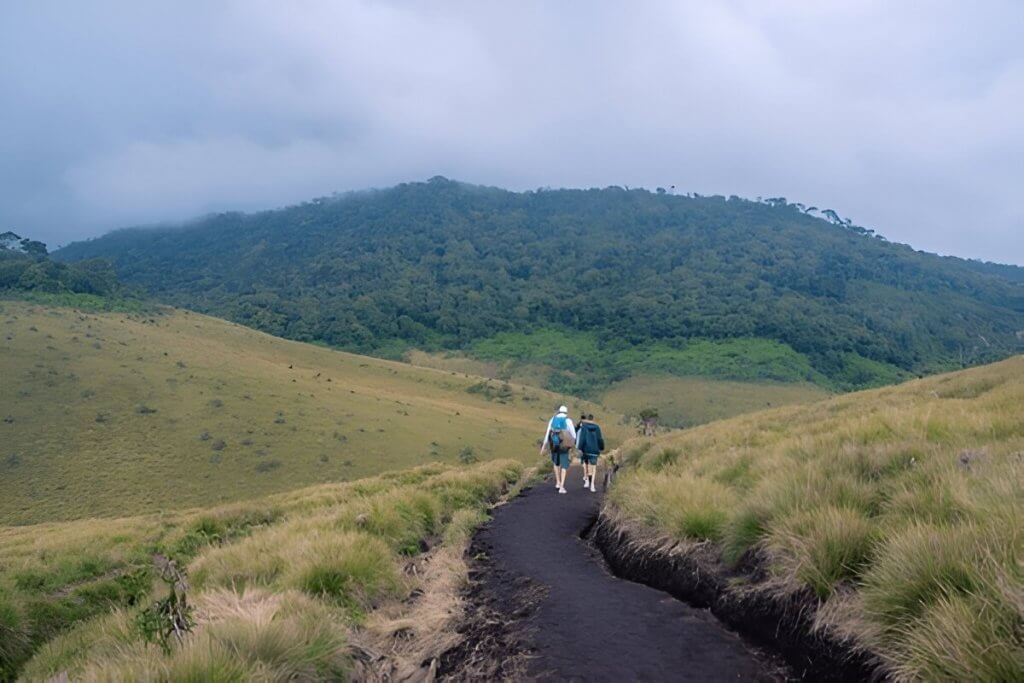
Horton Plains offers a different experience from the lowland jeep parks. The attraction is a walk through grassland and cloud-forest scenery, with World’s End and Baker’s Falls on the main circuit. The Central Province Tourism Department describes the route as approximately nine kilometres. Allow several hours plus transfers, with additional time for stops and your walking pace.
An early start from Nuwara Eliya or Ohiya gives a better chance of reaching viewpoints before cloud builds, though clear views remain weather-dependent. Carry a rain layer and warm clothing: the highlands can feel very different from the coast. Uneven ground and steps mean the full circuit is not suitable for every traveller. Check trail conditions and current access before setting off.
Stay well back from unprotected drops, remain on designated trails and carry all rubbish out. Choose the walk because your group wants and can manage it. A Horton Plains outing from Nuwara Eliya should be assessed for walking requirements as well as transport. It is not a substitute for an elephant safari.
6. Bundala National Park: wetlands and birdwatching
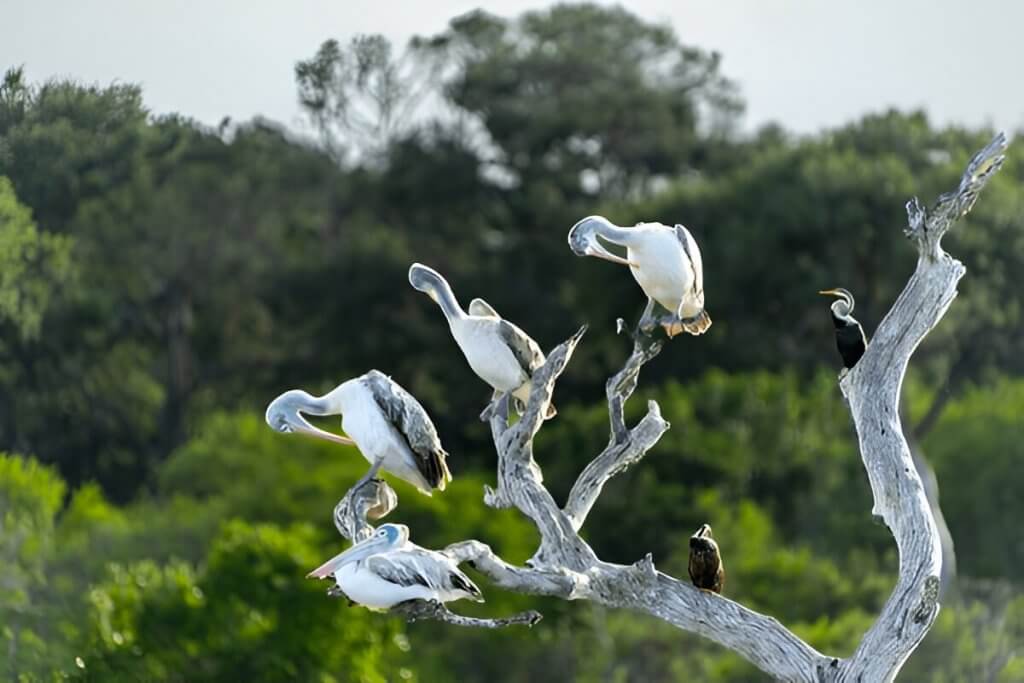
Bundala suits visitors interested in lagoons, wetlands and coastal birds. It is a worthwhile contrast to a big-mammal-focused safari and can fit a southern itinerary around Tissamaharama or Hambantota. A birdwatching visit benefits from binoculars and a guide who is interested in identifying species rather than rushing through the route.
Migratory-bird presence is seasonal, and water levels influence where birds gather. Do not book around a guaranteed flamingo flock or turtle-nesting encounter. Ask about recent conditions, then enjoy the species present. Morning or afternoon safari options can suit different schedules; compare the Bundala morning safari with your accommodation and onward travel plans.
7. Wasgamuwa National Park: a quieter dry-zone outing
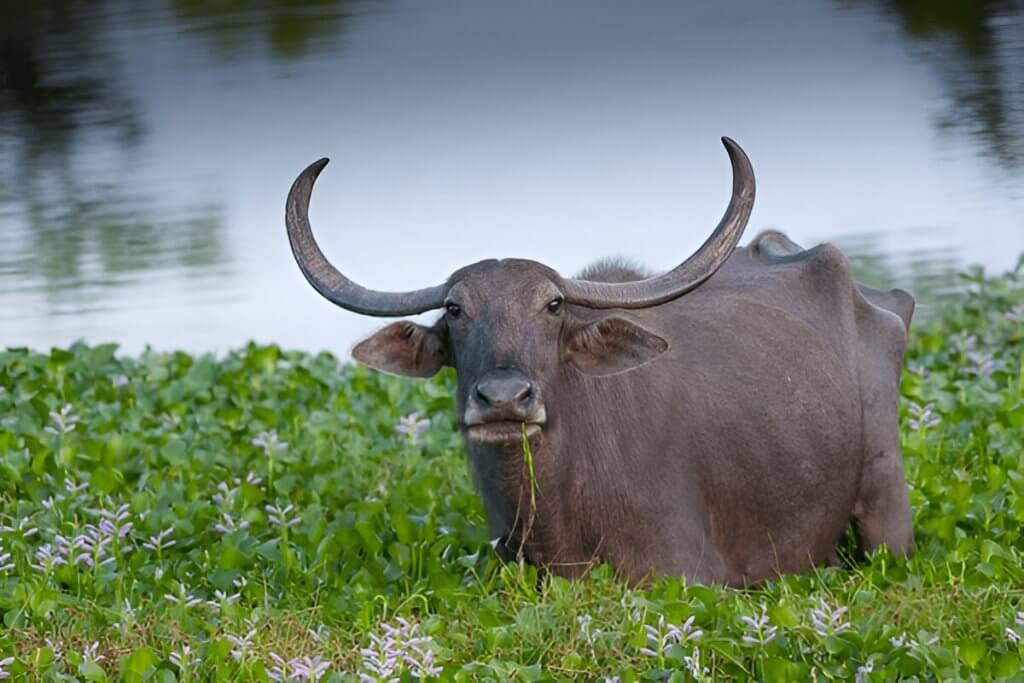
Wasgamuwa offers a dry-zone safari experience for travellers who want to move beyond the most familiar park names. Elephants are a central wildlife interest, alongside forest, grassland and river-associated habitats. A quieter reputation is not a promise of an empty park or easy sightings; it is a reason to ask about a more patient, locally guided outing.
Access planning matters. Confirm the entrance, approach road and suitable overnight base before booking. Do not add it casually to a tightly timed Kandy or Cultural Triangle day without calculating the full transfer. Sri Lanka Tourism’s Wasgamuwa information provides destination context; an operator should confirm the practical route and current safari arrangements.
8. Gal Oya National Park: reservoir scenery and boat outings
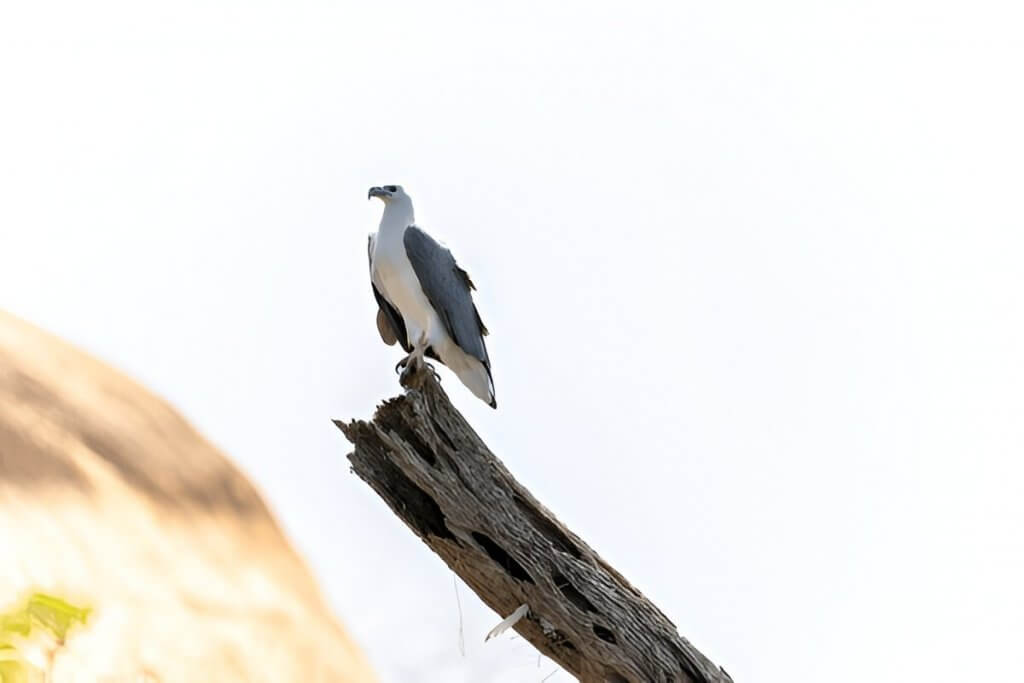
Gal Oya is associated with the Senanayake Samudraya reservoir and its surrounding wildlife habitat. An arranged boat outing offers a different perspective from a jeep safari, with islands, shorelines and water-associated birdlife. Elephants entering the water can be an exceptional sight, but swimming elephants should never be advertised as guaranteed.
Boat and jeep experiences require separate clarification: ask which activity is available, who operates it, whether permits and safety equipment are included, and what happens if weather interrupts the outing. Choose nearby accommodation if Gal Oya is a priority. Community visits, including encounters involving Vedda heritage, should be arranged with informed consent and local participation rather than treated as an automatic tourist performance.
9. Kumana National Park: an east-coast birding choice
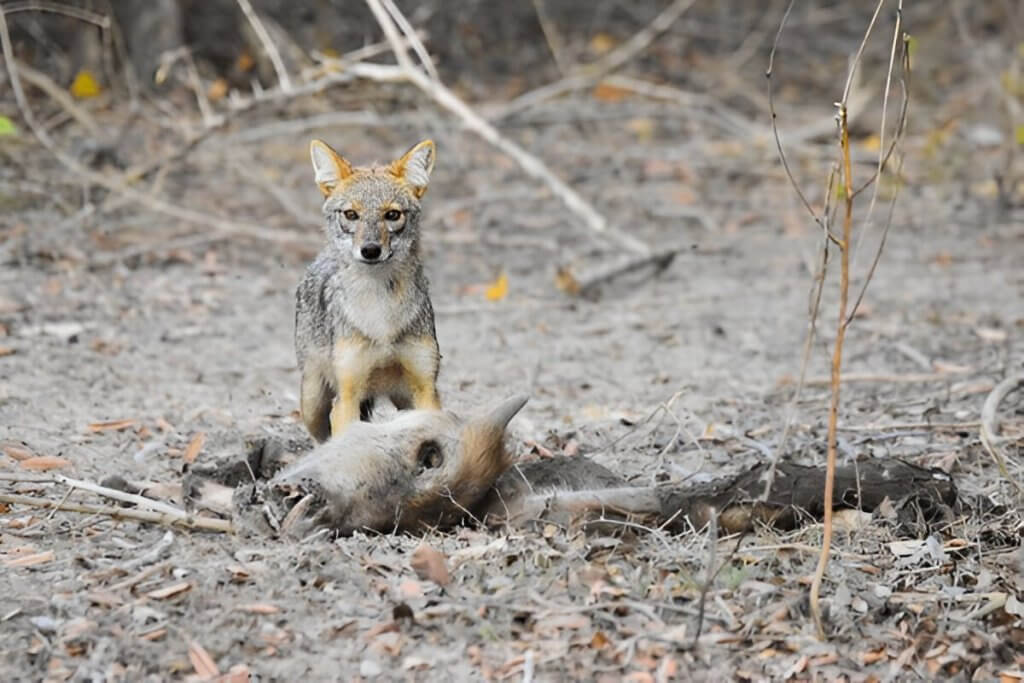
Kumana fits an east-coast itinerary based around Arugam Bay or Panama. Birdwatching is a major reason to choose it, with wetland habitats complementing the surrounding dry-zone landscape. Travellers already spending time on the east coast can consider it without crossing the island solely to duplicate a different safari.
Ask about current road access, the entrance and recent bird activity. Seasonal breeding and migration patterns affect the experience. Kumana’s geographical connection with the wider Yala landscape does not mean that one visitor ticket permits a through-safari between ordinary tourist gates. Plan the authorised route actually offered and allow time for the return drive.
10. Maduru Oya National Park: a remote specialist choice
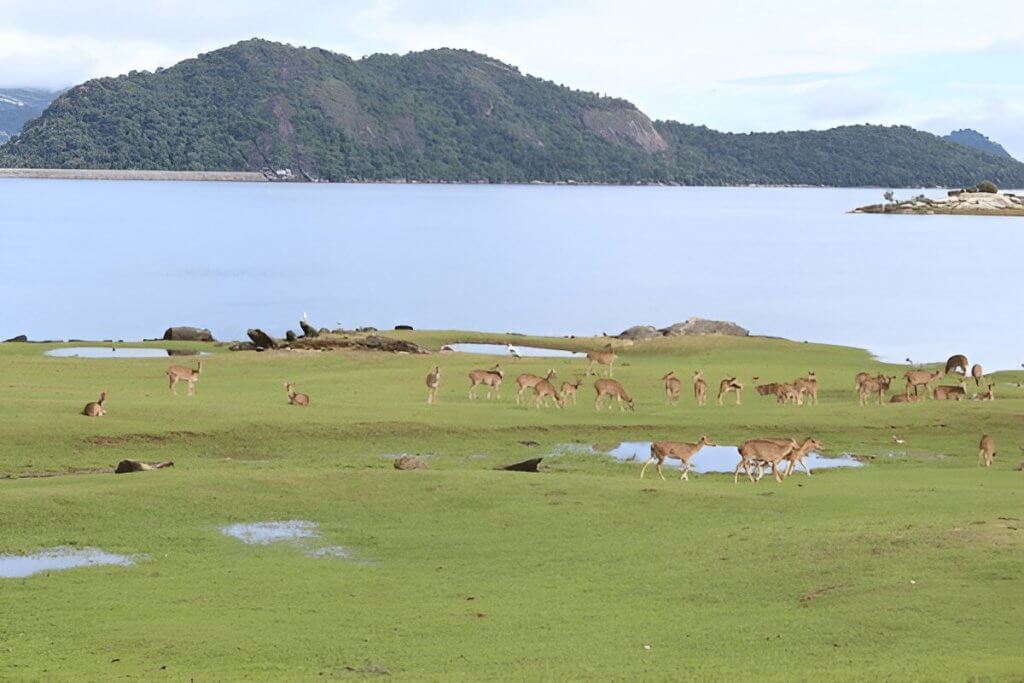
Maduru Oya protects reservoir catchments and dry-zone wildlife habitat. It is more appropriate for a deliberately planned nature itinerary than for a quick addition to a first Sri Lanka trip. The appeal is the landscape and a less familiar safari setting, with wildlife viewing approached patiently and without promises of a particular species.
Get local confirmation of the entrance, road conditions, permits and a suitable base before booking accommodation. Do not rely on a generic distance from Ampara or assume the reservoir shoreline is freely accessible. Sri Lanka Tourism’s Maduru Oya profile gives background; current access arrangements should come from DWC or a qualified local operator.
Best time to visit Sri Lanka’s national parks
There is no single best month for all ten parks. The island has different rainfall patterns, and habitat conditions affect viewing in different ways. For lowland safaris, ask about road conditions, water levels and recent wildlife movements. For Horton Plains, prioritise an early departure and a workable forecast. For Minneriya, check the current gathering conditions rather than relying only on a broad seasonal range.
Build the wildlife choice into the season and route you already intend to travel. A southern itinerary may favour Udawalawe, Yala or Bundala; an Anuradhapura stay pairs more naturally with Wilpattu; a Cultural Triangle trip can include Minneriya; an east-coast stay can suit Kumana. Reaching a different park by a long road transfer is worthwhile only if its experience is a real priority.
Safari costs, permits and realistic routes
A safari quote can include several separate items: park admission, applicable taxes and service charges, jeep hire, a driver or guide, hotel transfers and meals. Ask for the total for your group and visitor category. A low advertised jeep price may exclude admission. Shared vehicles reduce the amount each person pays for the vehicle but change seating and flexibility.
The Sri Lanka Tourism Development Authority notices describe online entry permits for several popular parks. Follow the current DWC process and confirm whether your operator obtains the permit. Book the vehicle and appropriate driver as well as admission. At Yala, check that the vehicle and driver meet current park requirements; an entrance permit alone does not organise the safari.
For a one-week first visit, one lowland safari and an optional highland walk are often enough. For ten to fourteen days, two contrasting parks can work without excessive repetition: Yala plus Bundala, Udawalawe plus Horton Plains, or Wilpattu plus Minneriya. These are combinations to fit a wider route, not a recommendation to travel directly between distant parks in one day.
Choosing a morning, afternoon or longer safari
Morning and afternoon drives offer different light and wildlife activity, but neither guarantees a cat sighting. Consider your group’s tolerance for early starts, heat, dust and long periods in a vehicle. A full-day drive can provide more observation time; it also requires suitable food, water and rest arrangements. Ask where authorised breaks take place and whether the duration quoted includes the hotel transfer.
Packing and photography
Bring binoculars, water, sun protection, a light rain layer and a camera protected against dust. Use subdued clothing and keep valuables secure when the vehicle is moving. For photography, ask the driver to stop safely rather than lean outside or request an off-road position. A longer lens is preferable to moving closer. Keep flash and loud devices off around wildlife.
Responsible wildlife viewing
Stay in the vehicle where required, follow the guide’s instructions and keep animals’ escape routes clear. Do not ask a driver to speed, go off-road or approach a herd to make it move. Avoid feeding or calling animals. If vehicles are crowding a sighting, ask to wait back or continue to another area. A good safari operator should support these choices.
For children, choose a manageable drive and explain that waiting quietly is part of wildlife viewing. Check seating and child-restraint arrangements before booking. Hiking fitness and boat-safety requirements need separate consideration. Visitors with mobility needs should describe them to the operator before payment; accessible transport does not automatically make every trail or boat boarding accessible.
Sri Lanka national park FAQs
Which is the best national park in Sri Lanka for a first safari?
Udawalawe is a strong elephant-focused option, while Yala suits visitors whose main interest is a chance to see leopards. Choose the park that fits your route and preferred habitat. Wildlife sightings remain unpredictable.
Is Yala or Wilpattu better for leopards?
Both are recognised leopard-safari choices. Yala is a popular first choice, while Wilpattu suits a patient forest-and-lake safari. Compare access, time available and operator practices rather than relying on a promised sighting or unsupported probability.
Can I visit a national park from Colombo in one day?
Some operators offer day tours, but several major parks involve substantial driving. Check departure time and actual safari duration. An overnight near the relevant entrance usually makes an early wildlife outing more comfortable.
Is Horton Plains a jeep safari?
The main visitor experience is a walking circuit through highland scenery. Arrange transport to the entrance, then assess the trail distance and conditions. It should not be booked with the expectation of a lowland jeep safari.
How much does a Sri Lanka safari cost?
The total depends on park, visitor category, vehicle, group size, guide, transfers and inclusions. Request a complete current quote and check DWC admission arrangements. There is no reliable single price covering every park and package.
Can I see the elephant gathering all year?
The well-known Minneriya gathering is seasonal and varies with rainfall and water levels. Elephants move within the wider area. Ask which authorised park is suitable for your travel date; a large gathering is never guaranteed.
Should I book every park on this list?
No. Choose one or two that offer different experiences and fit the rest of your trip. More time with a responsible guide at a suitable park is often more rewarding than repeated long transfers between parks.
More from Trodly
7 UNESCO Natural World Heritage Sites in India: Visitor Guide
India’s seven natural-category UNESCO properties, with clear distinctions, regional planning, visitor access and official booking resources…
How to Book a Safari in India: Official Portals, Permits & Planning
Learn how to book an India wildlife safari, find official portals, compare permits and packages, choose the right gate and calculate the…
Top 10 Things To Do in Sri Lanka on a Holiday
The island country of Sri Lanka pack within plenty of amazing beaches, historic places and fun things to do. You can visit…