
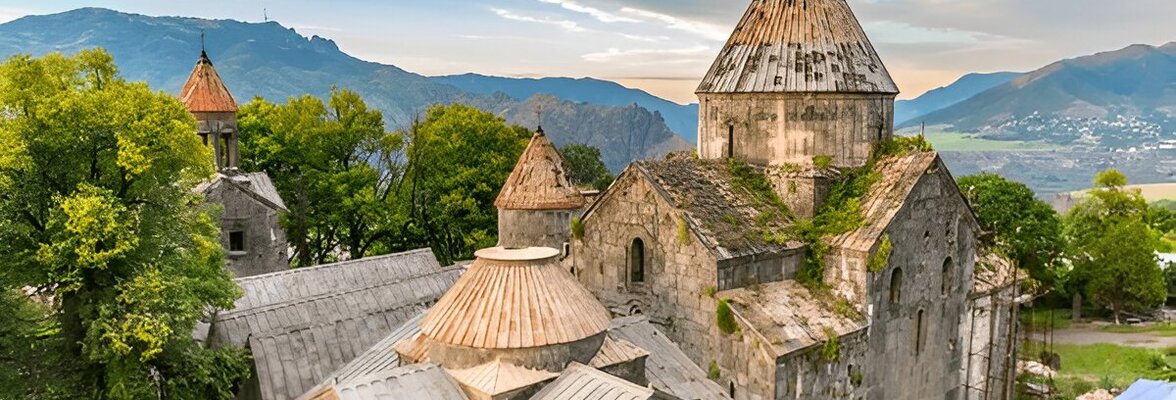
Armenia is a country that doesn’t shout for attention—it whispers ancient secrets to those willing to listen. Nestled in the South Caucasus, this landlocked nation offers a rare blend of natural beauty, deep-rooted history, vibrant hospitality, and a cultural identity shaped over millennia.
As the world’s first Christian nation, Armenia is a land of stone-carved monasteries perched on cliffs, alpine lakes surrounded by silence, and villages where bread is still baked in underground tonirs. It’s where Soviet relics stand beside modern cafés, and where hospitality is a cultural cornerstone, not just a formality.
For the curious traveler, Armenia delivers one of Europe and Asia’s most authentic and undiscovered journeys.
Best Time to Visit Armenia
Armenia experiences four distinct seasons, and each offers something unique.
| Season | Months | Highlights |
|---|---|---|
| Spring | April – June | Wildflowers, mild temperatures, lush landscapes |
| Summer | July – August | Hot in lowlands, perfect for highland hiking |
| Autumn | September – October | Ideal weather, harvest season, vibrant colors |
| Winter | November – March | Snow sports in Tsaghkadzor, cultural sites without crowds |
Best Overall Time: Late May to early October is ideal for most travelers.
Top Places to Visit in Armenia
1. Yerevan – The Pink Capital
Armenia’s capital is older than Rome but pulses with youthful energy. Yerevan blends ancient heritage with modern ambition. The city is famous for its pink-hued tuff stone buildings, tree-lined boulevards, outdoor cafés, and views of Mount Ararat.
Must-See Attractions:
-
Republic Square and the Singing Fountains
-
Cascade Complex and Cafesjian Art Center
-
Vernissage Market (local crafts and antiques)
-
Tsitsernakaberd Genocide Memorial
-
Northern Avenue and Opera House
Travel Tip: Yerevan is highly walkable. Stay in the city center for easy access to key sights, restaurants, and nightlife.
2. Geghard Monastery and Garni Temple
A perfect day trip from Yerevan, this area combines Armenia’s pagan and Christian past in one stunning valley.
-
Geghard Monastery: A UNESCO-listed monastery partially carved into a mountain. Revered for its acoustics and sacred history.
-
Garni Temple: The only Greco-Roman colonnaded structure in the post-Soviet space, dating to the 1st century AD.
Bonus: Walk the Garni Gorge to see the “Symphony of Stones,” a natural rock formation resembling organ pipes.
3. Lake Sevan – Armenia’s Jewel of Freshwater
Lake Sevan sits at 1,900 meters above sea level and offers cool respite during the summer. It's one of the largest high-altitude lakes in the world.
Highlights:
-
Sevanavank Monastery with panoramic views
-
Fresh crayfish and khorovats (barbecue) at lakeside restaurants
-
Jet skiing and paddleboarding in summer
Travel Tip: Sevan is best visited from June to early September. Accommodation ranges from budget cabins to boutique hotels.
4. Dilijan – The Armenian Switzerland
Dilijan is a forested retreat known for its cool climate, mineral springs, and the Dilijan National Park. This town is part of Armenia’s lesser-traveled northeast and offers great hiking and tranquility.
Top Sights:
-
Haghartsin and Goshavank Monasteries
-
Lake Parz for boating and picnics
-
Old Dilijan Complex with artisan workshops
Perfect For: Nature lovers, photographers, and those looking to escape city life.
5. Tatev Monastery and the Wings of Tatev
Located in southern Armenia, Tatev Monastery is dramatically situated on a cliff edge above the Vorotan Gorge. It's reached via the Wings of Tatev, the world’s longest reversible cable car.
Why Visit:
-
The monastery dates back to the 9th century
-
Unmatched views of the gorge and surrounding mountains
-
Combine with nearby sights like Khndzoresk cave village and Devil’s Bridge
6. Khor Virap – Closer to Mount Ararat Than Anywhere Else
Khor Virap is one of Armenia’s most photographed sites, offering an unparalleled view of Mount Ararat—a sacred symbol for Armenians, though it lies just across the closed Turkish border.
Must Know:
-
Site of Saint Gregory the Illuminator’s imprisonment
-
Accessible via day trip from Yerevan
-
Often combined with wine tastings in Areni region
7. Noravank & Areni Wine Region
The red rocks of the Amaghu Gorge set the stage for Noravank Monastery, one of Armenia’s most scenic religious sites. Nearby Areni is considered the cradle of winemaking, with evidence of the world’s oldest winery found in a local cave.
Experience:
-
Wine tasting at family-run cellars and modern vineyards
-
Noravank’s cliffside setting and unique two-story church
-
Visit the Areni-1 cave for archaeological intrigue
Top Things to Do in Armenia
-
Visit Ancient Monasteries: Many are UNESCO-listed and set in jaw-dropping locations.
-
Explore Soviet-Era Architecture: From brutalist apartment blocks to defunct cable cars.
-
Hike Armenia’s Trails: Transcaucasian Trail, Lastiver, Mount Aragats (Armenia’s highest peak).
-
Experience Armenian Cuisine: Dolma, khorovats, lavash, and gata should top your list.
-
Attend a Cultural Festival: Like Yerevan Wine Days (May), Vardavar Water Festival (July), and Areni Wine Festival (October).
Armenian Cuisine: What to Try
Armenian food is a celebration of herbs, fire, and tradition.
| Dish | Description |
|---|---|
| Khorovats | Armenian-style barbecue, often pork or lamb |
| Dolma | Grape leaves or vegetables stuffed with meat and rice |
| Harissa | Wheat and chicken slow-cooked to porridge consistency |
| Lavash | Traditional flatbread baked in a tonir oven |
| Ghapama | Pumpkin stuffed with rice, nuts, and dried fruits |
| Armenian wine & brandy | Areni reds and Ararat brandy are local legends |
Pro Tip: Take a lavash-making workshop in a village for a hands-on culinary experience.
Getting Around Armenia
-
Yerevan is the main base; most destinations are within 2–6 hours’ drive.
-
Marshrutkas (shared minibuses) are the most common and affordable transport method.
-
Car rental is recommended for those wanting flexibility, especially for reaching remote monasteries or hiking trails.
-
Taxis and ride-hailing apps (GG, Yandex Go) are widely used in cities.
Travel Tips for Armenia (2025 Edition)
-
Visa-Free Entry: Many nationalities can stay visa-free for up to 180 days.
-
Currency: Armenian Dram (AMD); cash preferred in rural areas.
-
Language: Armenian is the official language. Russian is widely understood. English is growing in cities and among younger people.
-
Safety: Armenia is one of the safest countries in the region for travelers.
-
Connectivity: Buy a local SIM card (Viva-MTS or Ucom) for cheap data and coverage.
-
Religion & Etiquette: Armenia is deeply Christian; dress modestly at religious sites and avoid loud behavior in monasteries.
Suggested 10-Day Armenia Itinerary
| Day | Destination | Highlights |
|---|---|---|
| 1 | Yerevan | City tour, Cascade, Genocide Museum |
| 2 | Garni & Geghard | Pagan temple and cave monastery |
| 3 | Khor Virap & Areni | Monastery views, wine tasting |
| 4 | Noravank & Goris | Red rock monasteries and caves |
| 5 | Tatev | Wings of Tatev, monastery visit |
| 6 | Return to Yerevan | Optional stops en route |
| 7 | Lake Sevan | Monastery, lakeside lunch |
| 8 | Dilijan | Nature hikes, monasteries |
| 9 | Free Day in Yerevan | Shopping, museum hopping |
| 10 | Departure | Option for Vernissage Market visit |
Armenia is a country that surprises. It offers all the depth and beauty of more frequented destinations, but with a fraction of the crowds. It’s a place where hospitality is instinctive, where ancient traditions still shape daily life, and where every church, canyon, and dish tells a story.
For travelers craving a journey off the typical European path—without sacrificing culture, scenery, or history—Armenia is one of the most rewarding destinations you can explore in 2025.