
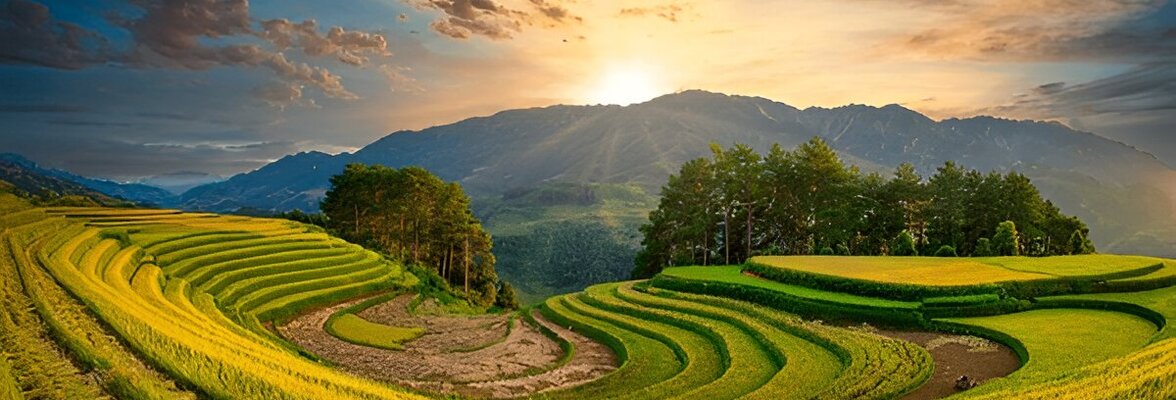
Vietnam is a country that lives vividly in the senses. The scent of simmering pho in a Hanoi alley, the sight of limestone karsts rising from emerald waters in Ha Long Bay, the sound of scooters weaving through Ho Chi Minh City’s buzzing streets—every moment in Vietnam is a layered experience. Stretching from the Chinese border in the north to the Gulf of Thailand in the south, Vietnam is a long, lean ribbon of wonder packed with ancient temples, dynamic cities, dramatic landscapes, and some of Southeast Asia’s most celebrated cuisine.
Whether you’re trekking in the misty mountains of Sapa, drifting through the lantern-lit charm of Hoi An, or exploring war history and street food in Saigon, Vietnam offers a journey rich in culture, contrast, and discovery.
Best Time to Visit Vietnam
Vietnam’s weather varies significantly between regions due to its length. Planning the best time depends on where you're going.
| Region | Best Time | Climate Highlights |
|---|---|---|
| North (Hanoi, Sapa, Ha Long Bay) | October to April | Cool and dry; ideal for trekking and sightseeing |
| Central (Hue, Da Nang, Hoi An) | February to August | Warm, sunny days and clear skies |
| South (Ho Chi Minh City, Mekong Delta) | December to April | Dry season with pleasant heat |
For a country-wide trip, aim for March or April when most regions experience favorable weather.
Top Destinations in Vietnam
1. Hanoi
Vietnam’s capital is a captivating mix of ancient traditions and modern bustle. Its Old Quarter is a sensory overload—maze-like streets lined with colonial buildings, street vendors, and lively local markets.
Must-see highlights:
-
Hoan Kiem Lake and Ngoc Son Temple
-
Temple of Literature (Vietnam’s first university)
-
Ho Chi Minh Mausoleum
-
Train Street (visit responsibly)
Insider Tip: Take an early morning walk around Hoan Kiem Lake to see locals practicing tai chi and traditional exercise routines.
2. Ha Long Bay
A UNESCO World Heritage Site, Ha Long Bay is famed for its surreal seascape of limestone karsts rising from the Gulf of Tonkin.
How to Experience It:
-
Overnight cruises on traditional junks
-
Kayaking through caves and floating villages
-
Day trips from Hanoi (less immersive but efficient)
Best Alternative: Lan Ha Bay or Bai Tu Long Bay for fewer crowds and similar scenery.
3. Sapa and Northern Highlands
Nestled in the mountains near the Chinese border, Sapa is Vietnam’s premier trekking destination. Expect panoramic rice terraces, misty valleys, and encounters with ethnic minority communities like the Hmong and Red Dao.
Top Experiences:
-
Trek to remote villages (Ta Van, Lao Chai, Cat Cat)
-
Visit local markets (Bac Ha Market is notable)
-
Ride the Fansipan cable car to the “Roof of Indochina”
Travel Note: The overnight train from Hanoi to Lao Cai is both scenic and time-saving.
4. Hoi An
Hoi An is a preserved ancient town where time slows down. With lantern-lit streets, riverside cafés, tailor shops, and Japanese bridges, this town offers a romantic, walkable escape.
Things to Do:
-
Explore the Ancient Town (UNESCO World Heritage Site)
-
Take a cooking class and learn Vietnamese cuisine
-
Visit An Bang Beach just outside the city
-
Get custom clothing made in 24–48 hours
Best Time: Visit during the full moon to see the town lit by hundreds of lanterns.
5. Hue
Once the imperial capital, Hue is filled with royal tombs, palaces, and pagodas along the Perfume River.
Top Sights:
-
The Imperial City (Citadel)
-
Thien Mu Pagoda
-
Tombs of Emperors Tu Duc and Khai Dinh
Hue also has one of Vietnam’s most sophisticated regional cuisines—don't miss dishes like bun bo Hue and banh beo.
6. Da Nang
Often seen as a stopover, Da Nang is emerging as a destination in its own right. It's known for modern beachfront resorts, the famous Golden Bridge at Ba Na Hills, and its central location between Hue and Hoi An.
What to Explore:
-
My Khe Beach
-
Marble Mountains
-
Day trip to Ba Na Hills for the skywalk and cable car views
7. Ho Chi Minh City (Saigon)
Vietnam’s economic engine is energetic, ambitious, and packed with history. Saigon is a mix of sleek skyscrapers and French colonial architecture, with some of the country’s best street food.
Essential Experiences:
-
War Remnants Museum and Cu Chi Tunnels
-
Notre-Dame Cathedral Basilica and Central Post Office
-
Bến Thành Market and rooftop bars in District 1
Eat Here: Try com tam (broken rice), banh mi, and hu tieu soup.
8. Mekong Delta
The southernmost region of Vietnam is a world of winding rivers, floating markets, and tropical orchards. Life here moves to the rhythm of the waterways.
Top Activities:
-
Visit Cai Rang Floating Market
-
Take a sampan ride through palm-fringed canals
-
Tour coconut farms and rice paper workshops
Pro Tip: Spend a night in a homestay for a more immersive rural experience.
Vietnamese Cuisine: What to Eat and Where
Vietnamese food is fresh, balanced, and deeply regional. Here's a culinary breakdown:
| Dish | Region | Description |
|---|---|---|
| Pho | North | Clear beef broth with flat rice noodles |
| Bun Cha | Hanoi | Grilled pork in broth with rice noodles |
| Cao Lau | Hoi An | Thick noodles with pork and fresh herbs |
| Banh Mi | Nationwide | French-influenced sandwich with local fillings |
| Hu Tieu | South | Light noodle soup with pork or seafood |
| Goi Cuon | Nationwide | Fresh spring rolls with shrimp or pork |
Don't miss: Vietnamese coffee (try it iced with condensed milk or egg coffee in Hanoi).
Getting Around Vietnam
Vietnam’s travel infrastructure is modern and efficient, especially for intercity movement.
Transportation Options:
-
Domestic flights: Vietnam Airlines, VietJet, and Bamboo Airways connect major cities quickly.
-
Train: The Reunification Express runs from Hanoi to Ho Chi Minh City.
-
Buses and Minivans: Common and budget-friendly; routes connect even remote towns.
-
Scooter rentals: Popular but only for experienced riders with an international license.
Travel Tips for Vietnam (2025 Update)
-
Visa: E-Visas are available for over 80 nationalities; apply online before arrival.
-
Currency: Vietnamese Dong (VND); cash is essential in markets and smaller towns.
-
Connectivity: Buy a local SIM card (Viettel or Mobifone) at the airport or shops.
-
Language: English is spoken in tourist areas, but learning a few Vietnamese phrases goes a long way.
-
Cultural Etiquette: Dress modestly when visiting temples. Always remove shoes before entering homes or pagodas.
Suggested 14-Day Vietnam Itinerary
| Day | Location | Activity |
|---|---|---|
| 1–3 | Hanoi | Old Quarter, street food, day trip to Ninh Binh |
| 4–5 | Ha Long Bay | Overnight cruise |
| 6–7 | Hue | Imperial City, royal tombs |
| 8–9 | Hoi An | Ancient town, beach, cooking class |
| 10 | Da Nang | Marble Mountains, relax |
| 11–13 | Ho Chi Minh City | History museums, street food |
| 14 | Mekong Delta | Floating markets, depart from HCMC |
Vietnam is more than a destination—it’s a dynamic journey through the heart of Southeast Asia. Its contrasts are its charm: ancient meets modern, serenity meets chaos, flavor meets finesse. Whether you’re here for a month or a week, traveling on a shoestring or in style, Vietnam will challenge your senses and reward your curiosity.